

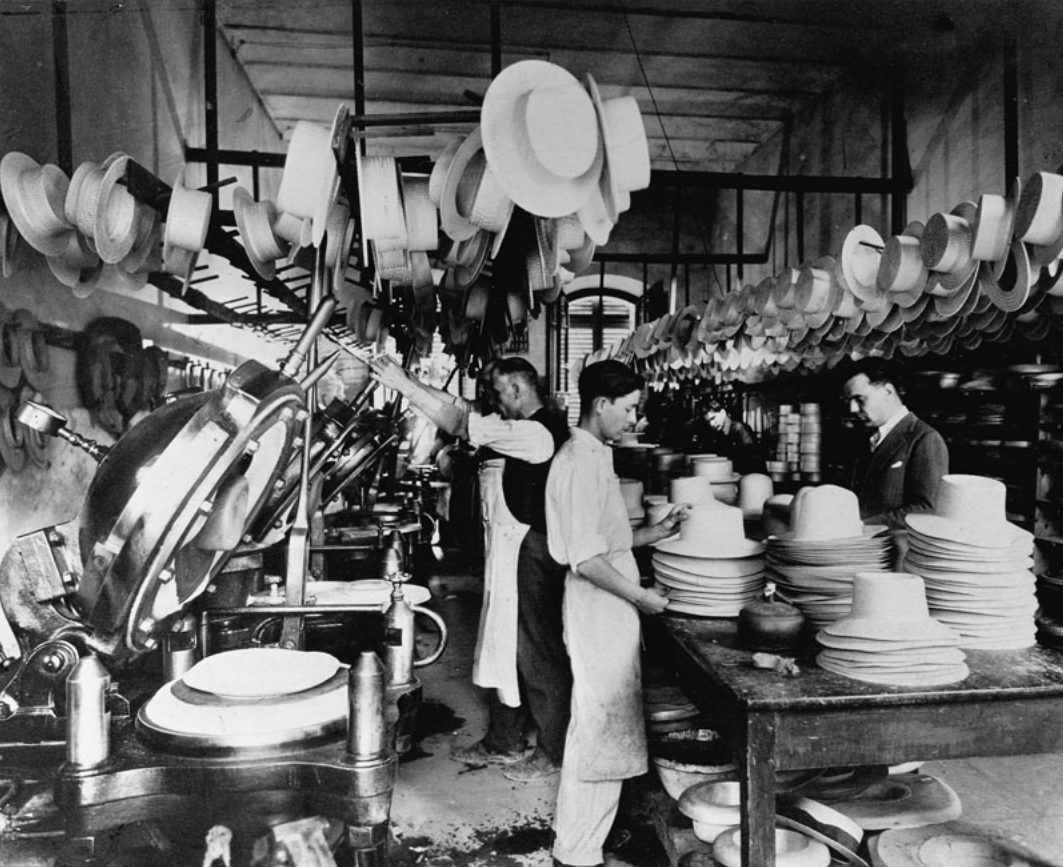
There is an object that, more than many others, narrates rural Tuscany and, at the same time, its vocation for beauty: the plaited straw hat, born in the countryside around Florence and which, over the centuries, became a recognisable symbol throughout Europe. It is not simply a head covering, but an artefact that bears with it layers of meaning, of toil, of peasant ingenuity transformed into applied art. Its history has roots in a territory where field wheat straw, cut with precision at the right moment before it ripened and yellowed, became the raw material of a widespread, silent, domestic industry. Every house, every room, every woman and child of the Florentine countryside and the Valdinievole had their hands busy with that painstaking plaiting that produced the so-called trecciaioli, the straw braids from which the shape of the hat was then obtained. An industry that had no factories or machinery, but lived in the daily gestures of thousands of people, handed down from mother to daughter with the same naturalness with which one learned to sew or to tend the vegetable garden. It was a form of domestic economy that was interwoven, literally, with the survival of entire peasant families, giving them a supplementary income in the months when the fields did not require work. That fine straw, worked with patience and skill, was at once an instrument of subsistence and a manifestation of a cultural identity that the Tuscan territory has been able to guard with pride through the centuries.
From Signa to Vienna: how a village conquered the world
The history of the Tuscan straw hat is inextricably linked to the name of Domenico Michelacci, a merchant from Signa, the hamlet a few kilometres from Florence that became the nerve centre of this production. Towards the end of the 1600s, it was Michelacci who intuited the commercial potential of those hats that the women of the countryside plaited for domestic use, and who organised a veritable supply chain of collection, processing and distribution. The model of hat that established itself, known as the cappello alla fiorentina, conquered European fairs and markets with its lightness and elegant finish, becoming an object of desire for the affluent classes of half of Europe. During the 1700s, production expanded extraordinarily, involving entire municipalities of the Florentine plain and the area of Empoli, Lastra a Signa and Carmignano. Historical sources document how, at the peak of the trade, these hats were exported to England, France, Holland and even to the Americas, with volumes that attested to the resounding success of a product born of peasant frugality and arrived in the shop windows of the most sophisticated cities on the continent. The House of Lorraine, which governed Tuscany in the 1700s, actively supported this industry, recognising its economic value for rural communities, and Tuscan straw hats became one of the most sought-after articles of European commerce at the end of the century. It was not rare for particularly refined examples to be commissioned by courtiers and noblewomen who wore them as accessories of representation, helping to build around the product an aura of understated elegance that still defines its character today.
The plait as a science: materials, techniques and handed-down secrets
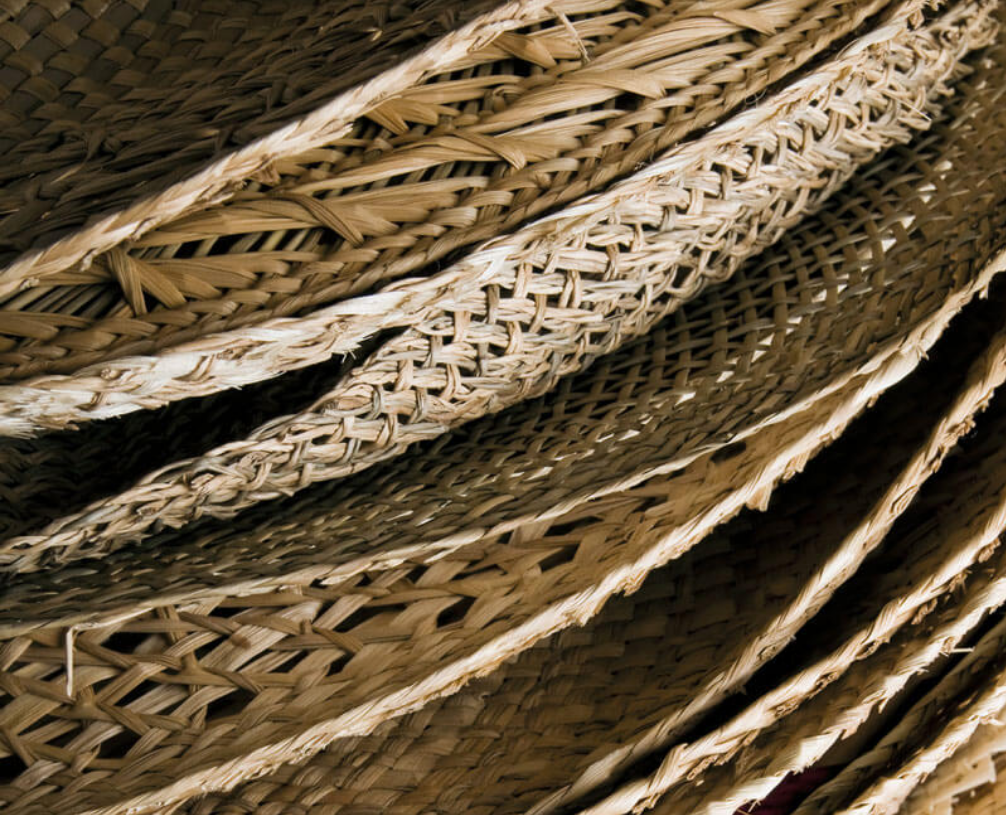
Understanding how a Florentine straw hat comes into being means entering a world in which time and matter have precise, non-negotiable rules. The straw traditionally used was not any type of cereal, but mainly the straw of marzuolo wheat, harvested green, before the stalk became lignified, and then dried in the shade to maintain flexibility and a light colour. The stalk was split by hand or with small tools into thin strips that were then plaited according to precise patterns, giving rise to braids of varying width. The most highly valued technique was that of the so-called seven-strand plait, a tight and uniform weave that guaranteed sturdiness and shininess to the surface of the hat. The braid obtained was then sewn in a spiral onto a wooden or iron mould, with needle and thread, following the curve of the brim and the crown in a progressive manner. The process required weeks of work for a high-quality hat, and the ability to keep the tension of the thread uniform was the discriminant between an expert craftsman and a beginner. The finishes, natural dyeing or treatment with sulphur vapour to bleach the straw further, were the final phases of a processing that allowed no approximations. Every choice, from the moment of cutting the straw to the sewing of the last turn of the braid, was the fruit of knowledge accumulated over decades, transmitted orally and by imitation, without manuals or written instructions. It was a wisdom of the body even before the mind, rooted in the fingers and in the muscle memory of those who had learned to do this work as children, observing the hands of adults and seeking to imitate their fluidity and precision.
The hands that still plait: the protagonists of a living tradition
Today, the Museo del Cappello di Paglia (Straw Hat Museum) in Signa, established in the municipality of the same name, safeguards the historical memory of this tradition with a collection that documents tools, sample books, photographs and commercial documents dating back over three centuries of production. It is a fundamental cultural bastion for understanding the scope of an industry that has shaped the economic and social identity of an entire geographical area. Alongside memory, however, a living artisanal production still exists, carried forward by a limited number of masters who have chosen not to sever the thread that connects them to the preceding generations. In Signa and in the neighbouring municipalities, workshops survive where the processing is still performed using traditional methods, employing selected straw and plaiting techniques unchanged from those practised in the 1700s. Among these, certain artisanal firms have also gained a foothold in the contemporary market thanks to collaboration with designers and Italian and international fashion houses, which have rediscovered the Tuscan straw hat as a natural, sustainable luxury accessory that bears a precise territorial identity. The quality of these artefacts is recognised by those operating in the high fashion sector as an authentic value, not industrially reproducible without losing the essence of the product. These craftspeople, often individuals who inherited the trade from their parents or grandparents, work in silence and with a dedication that defies the logic of immediate profit, aware that they are the guardians of something that goes far beyond the manufacture of an accessory: they are the custodians of a form of practical intelligence that belongs to the deep history of a territory.
Between decline and rediscovery: the bumpy path of an excellence
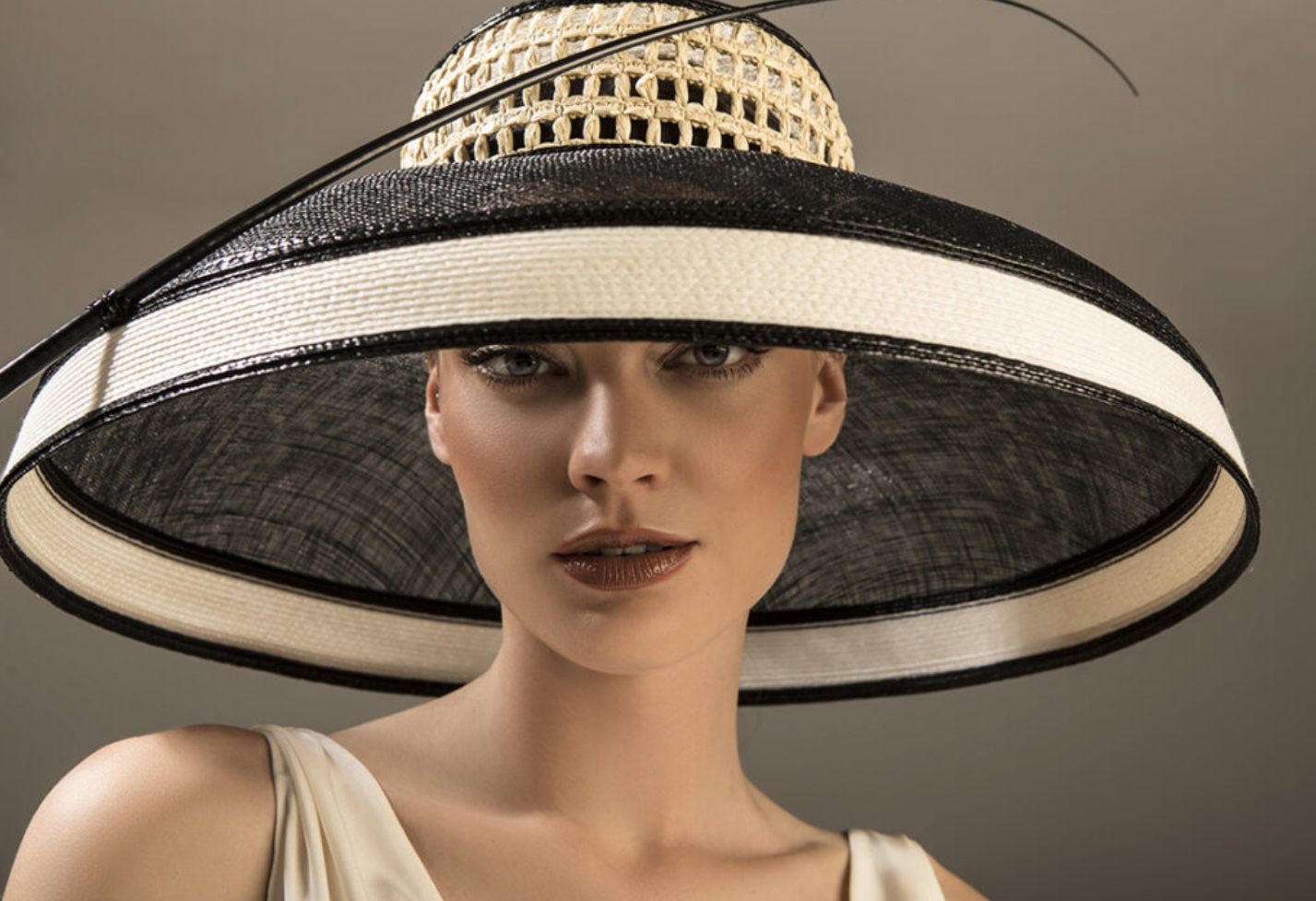
The history of the Florentine straw hat is not entirely made of ascents and accolades: the twentieth century brought with it the profound crises that decimated traditional production. The advent of industrial hats, mass-produced with synthetic materials or with mechanically processed imported straw, progressively eroded the market that for centuries had sustained Tuscan rural economies. The two world wars, urbanisation processes and the gradual disappearance of peasant labour drastically reduced the number of people willing to dedicate hour after hour to manual plaiting. Between the 1950s and the 1970s, what had been one of the most widespread industries of central Tuscany had shrunk to a niche, practised by a few elderly people and regarded with nostalgia rather than with prospects for the future. Yet, starting from the 1990s and with greater intensity in the early 2000s, a process of cultural and economic revaluation of the product has been witnessed, fuelled by growing attention towards traditional craftsmanship, the sustainability of natural materials and the value of local identity as a factor of differentiation on the global market. Schools, cultural associations and a number of enlightened entrepreneurs have invested in transmitting the techniques to new generations, opening plaiting courses and dedicated workshops. This process of recovery has not been linear or without difficulties, but it has shown that a tradition rooted in the territory can find new life when it encounters a discerning demand, capable of recognising the value of what is made by hand with care and competence.
A future interwoven in the present: the straw hat towards the coming decades
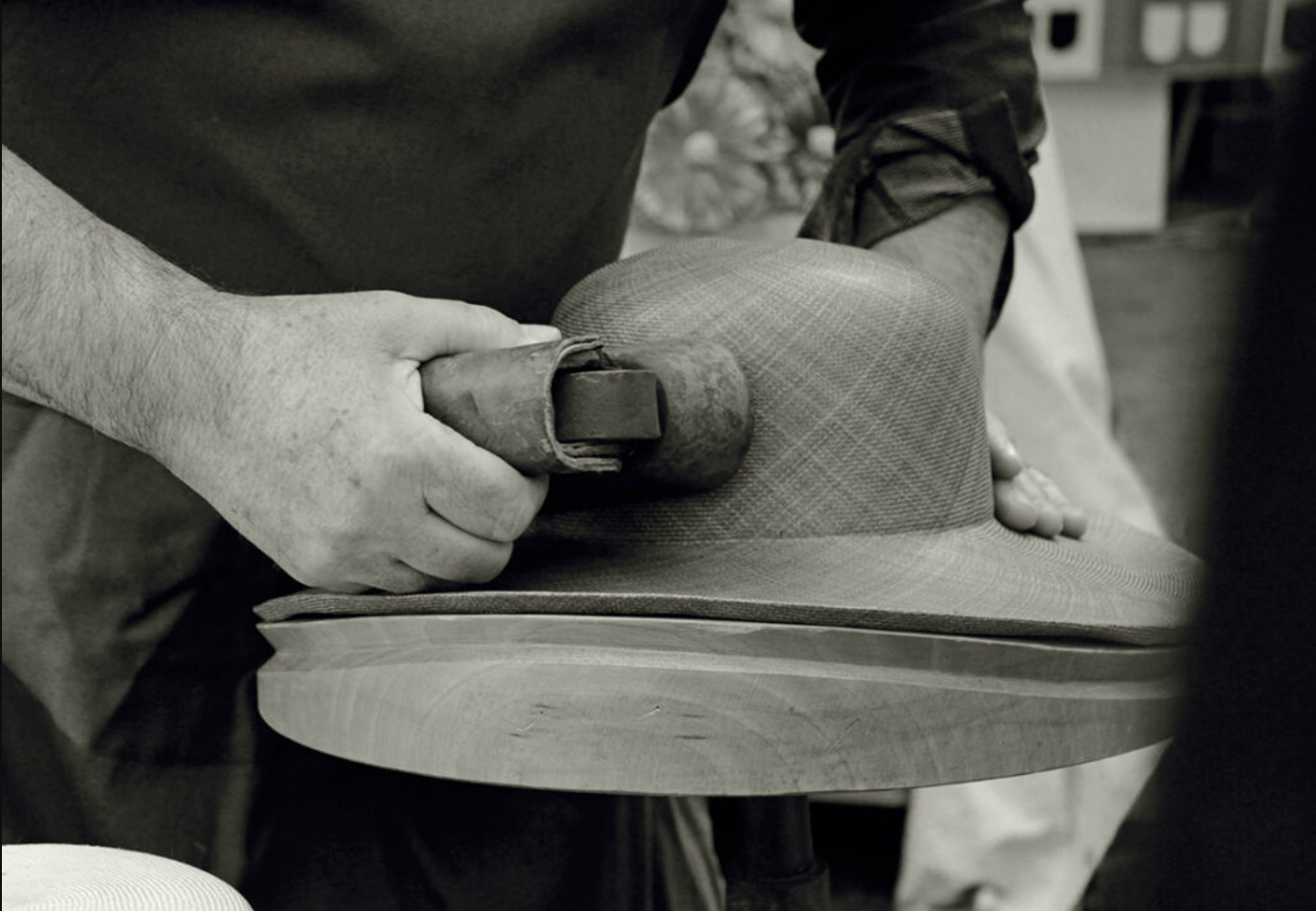
The Florentine straw hat today finds itself in a singular position, suspended between the strength of a centuries-old tradition and the challenges of a market that rewards authenticity but also demands the capacity to renew itself. The most recent trends in the world of sustainable fashion and of so-called slow fashion have created a new and aware demand for artefacts such as this, objects that recount a territory, a technique, a processing time that cannot be compressed without betraying quality. Some local initiatives, supported by the Region of Tuscany and by cultural bodies, are working to obtain formal recognitions that would guarantee legal protection of the origin and of the technique, preventing imitation products from exploiting the prestige of a name built over centuries of artisanal work. The link with cultural tourism represents another lever for development: visitors coming to Tuscany are increasingly interested in authentic experiences, and the possibility of watching a plaiting demonstration or of purchasing a handmade hat in an artisanal workshop represents an offering that no industrial replica can imitate. In this scenario, the straw hat is not just a product to sell, but an experience to be lived, a tangible fragment of a peasant civilisation that knew how to transform the simplicity of its means into a form of enduring beauty. To place on one’s shoulders or to put on one’s head a Florentine straw hat is not simply to wear an accessory; it is to hold in one’s hands something that has crossed the centuries with the same lightness with which the straw, green one day in the fields of the Valdinievole, became form, beauty and identity: a gesture that is worth making at least once in a lifetime.
Photo Credits: ilcappellodifirenze.it