
Autore: Clara Gifuni • 01/05/2026 09:22
“8 hours of work, 8 of leisure, 8 for sleep”—a slogan that today is certainly an invitation to remembrance and celebration, but that for a long time was the battle cry of all those workers who, through their protests, made it possible to turn years of hunger and suffering into a day of celebration.
At the end of the 19th century, a worker could labor up to 14 hours a day. Thousands upon thousands of workers were even forced to fall ill with tuberculosis, unable to give up a day’s work just to survive hunger. Danger and lack of protection were all part of everyday life for workers of that time. And if today, despite clear differences, these conditions still feel somewhat familiar, they help us understand even more the importance of this holiday—as a reminder of a struggle that cannot and must not ever stop.
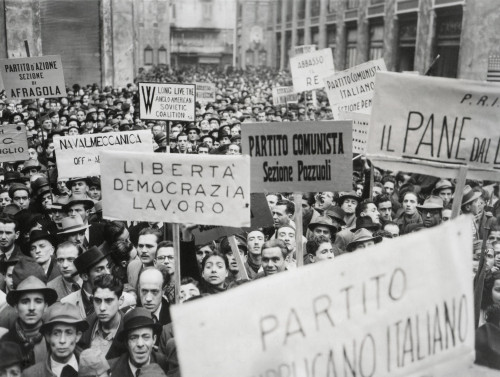
On May 1st, 1867, the first law in the world establishing an 8-hour workday came into force. But this was not the end point of the workers’ struggle—it was only the beginning of a powerful wave of protests. In fact, the law applied only to the state of Illinois, sparking widespread unrest across the rest of the United States.
Twenty years later, on May 1st, 1886, as many as 12,000 factories across the United States halted production, and 400,000 workers went on strike to protest their harsh working conditions. That day, Chicago alone saw 80,000 demonstrators. Three days later, another protest was organized in the city at Haymarket Square, but it did not end well. On that occasion, the police reacted brutally, and after a bomb exploded—whose perpetrators remain unknown to this day—officers began firing indiscriminately into the crowd.
Responsibility for the massacre was attributed to seven anarchists, who were sentenced to death by hanging and later remembered as the Martyrs of Chicago. This event was considered emblematic by the International Workers’ Association, which chose May 1st, 1890 as the symbolic date for the first Workers’ Day in history, in honor of their deaths. In line with internationalist tradition, that celebration—and the demand for those rights—was not limited to American workers, but extended to workers all over the world, who were invited to join in.
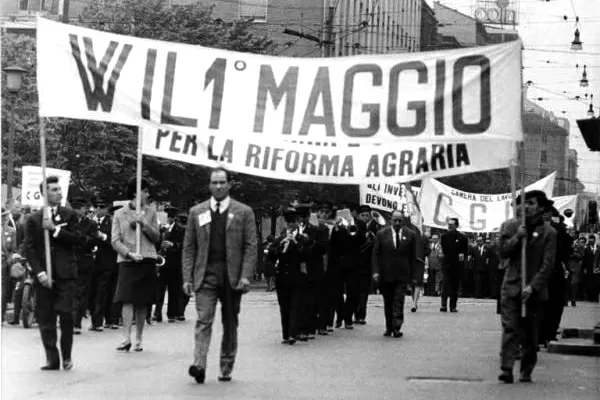
In Naples, on April 20th, 1890, a leaflet was distributed reading: “Workers, remember to celebrate on May 1st.” A call that was both joyful and defiant, taken literally by workers across the globe. On that day, thousands of laborers, aware of their rights, left their jobs as a sign of protest against their employers.
Italy, too, experienced tensions. The government of Francesco Crispi banned all public demonstrations, and newspapers began to alarm public opinion, urging people to stay home and stock up on supplies in anticipation of possible unrest. Yet it was precisely then that workers delivered a powerful rebuttal to this bourgeois alarmism. The celebration of May 1st, 1890 was a success—a powerful statement showing that no distance, country, or language could prevent workers from uniting to fight for their rights and dignity.
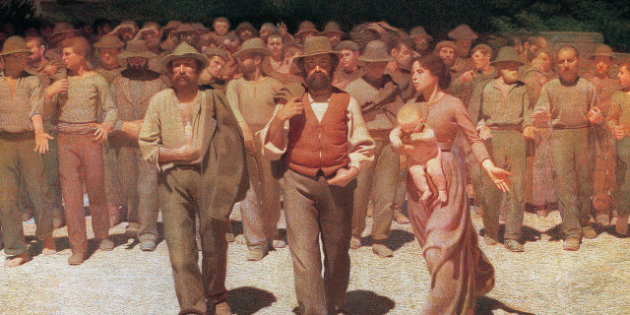
On the occasion of Workers’ Day, the traditional May Day Concert returns to Piazza San Giovanni in Laterano in Rome, confirming itself not only as a major entertainment event but also as an important moment of collective reflection on the conditions of workers in Italy.
The 2026 edition will be hosted by Arisa, alongside Pierpaolo Spollon and BigMama, one of the event’s veterans. As in previous years, Italian music becomes a vehicle for social and cultural storytelling, with a marathon of performances featuring both established artists and emerging talents.
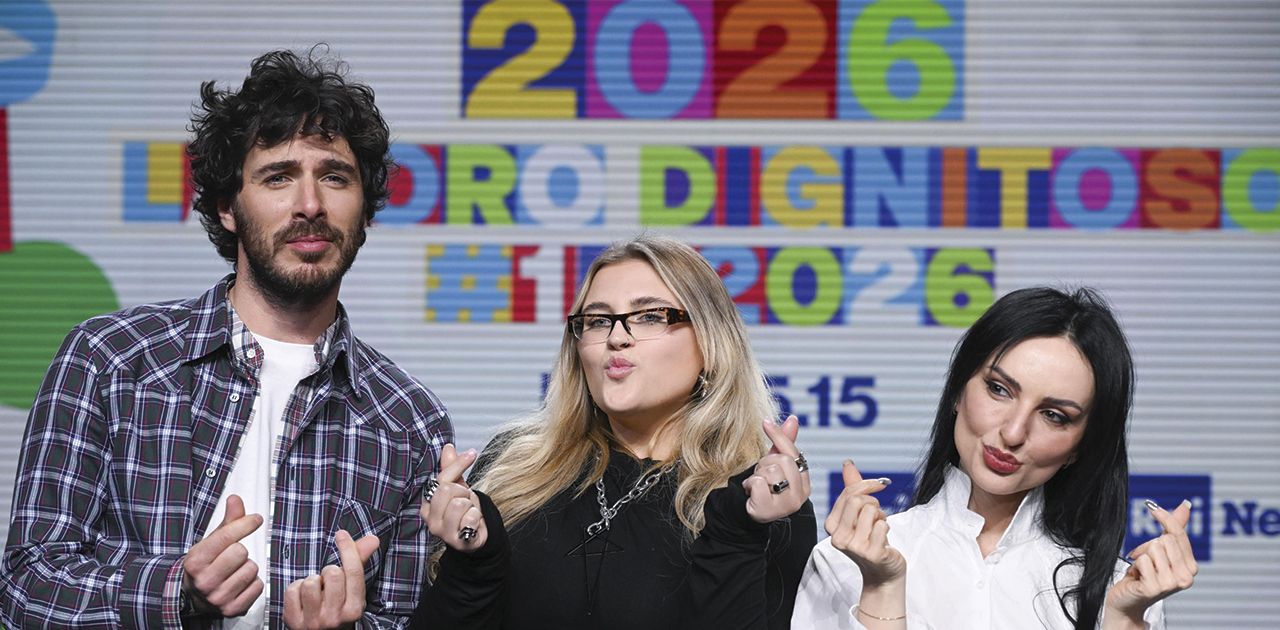
The event will open with Paolo Belli, while the closing performance will feature the extraordinary Orchestra Popolare La Notte della Taranta. Many well-known artists from the Italian music scene are expected on stage, including Francesca Michielin, Ermal Meta, Irama, Levante, Rocco Hunt, and many more.
The event will be broadcast live on Rai 3, Rai Radio 2, Rainews.it, as well as on Rai Italia and RaiPlay. On Rai 3, daytime coverage begins at 3:15 PM and ends at 7:00 PM, followed by the prime-time broadcast from 8:00 PM until 12:15 AM.
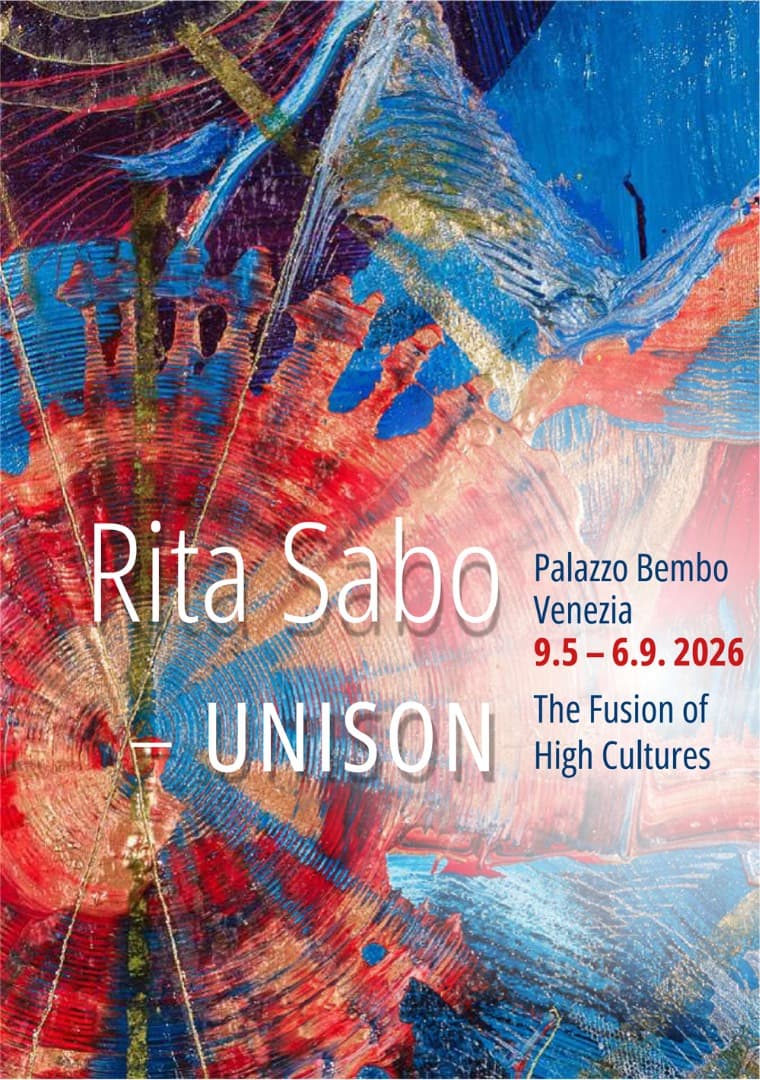
Rita Sabo in Venice: "UNISON – The Fusion of High Cultures" Dates: 9 May – 6 September 2026. Venue: ...

Destination Lombards: the Digital Grand Tour of UNESCO Sites A national cultural project links seven...
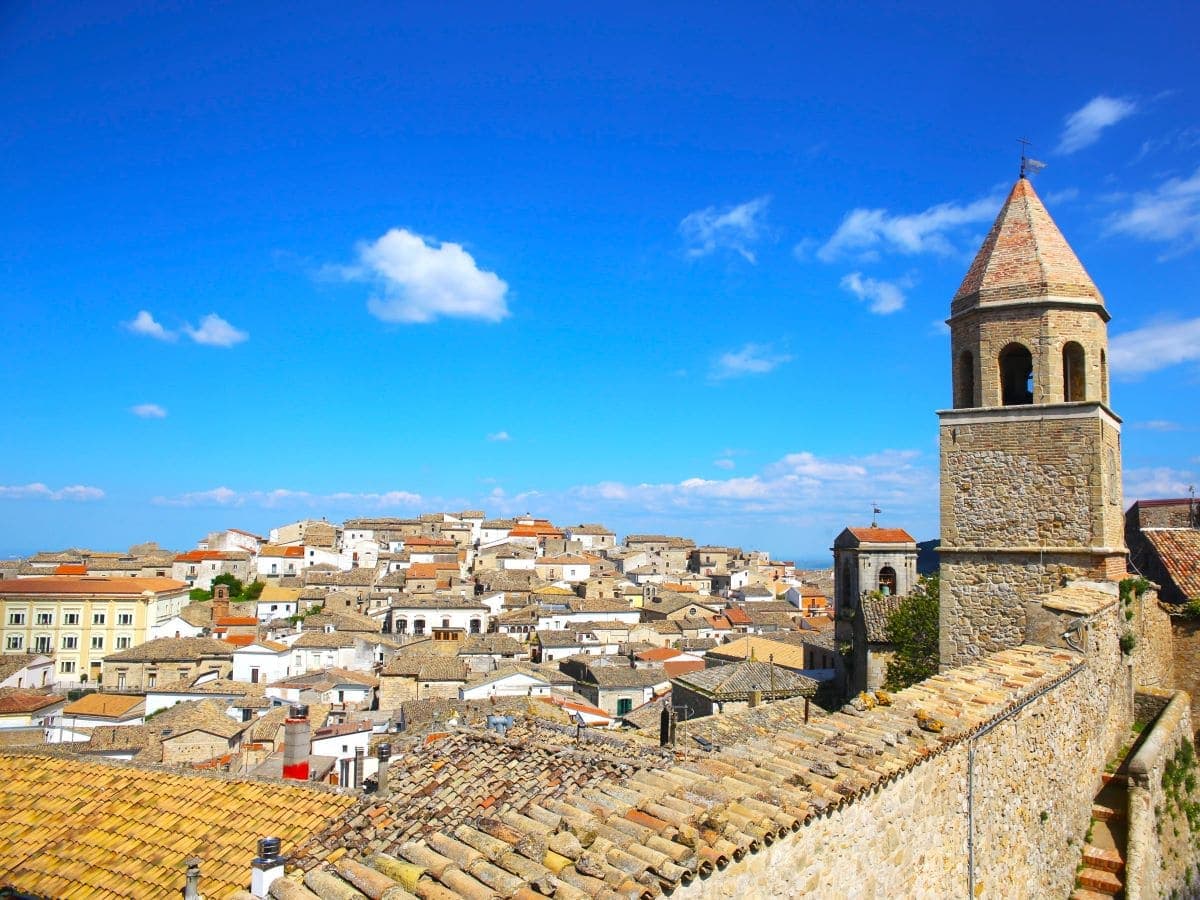
Bovino relaunches with responsible tourism and Sustainability Festival In the village of Bovino (FG)...

Cecilia Vicuña at Rivoli: overview Castello di Rivoli hosts El glaciar ido, the first museum solo in...
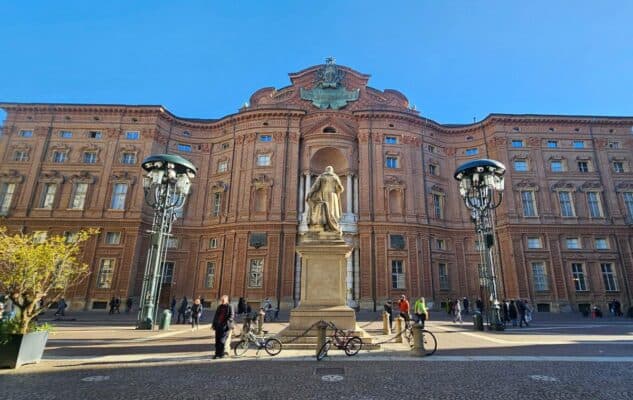
Free museum entry in Turin: Sunday 3 May 2026 Sunday 3 May 2026 marks the first-Sunday-of-the-month ...
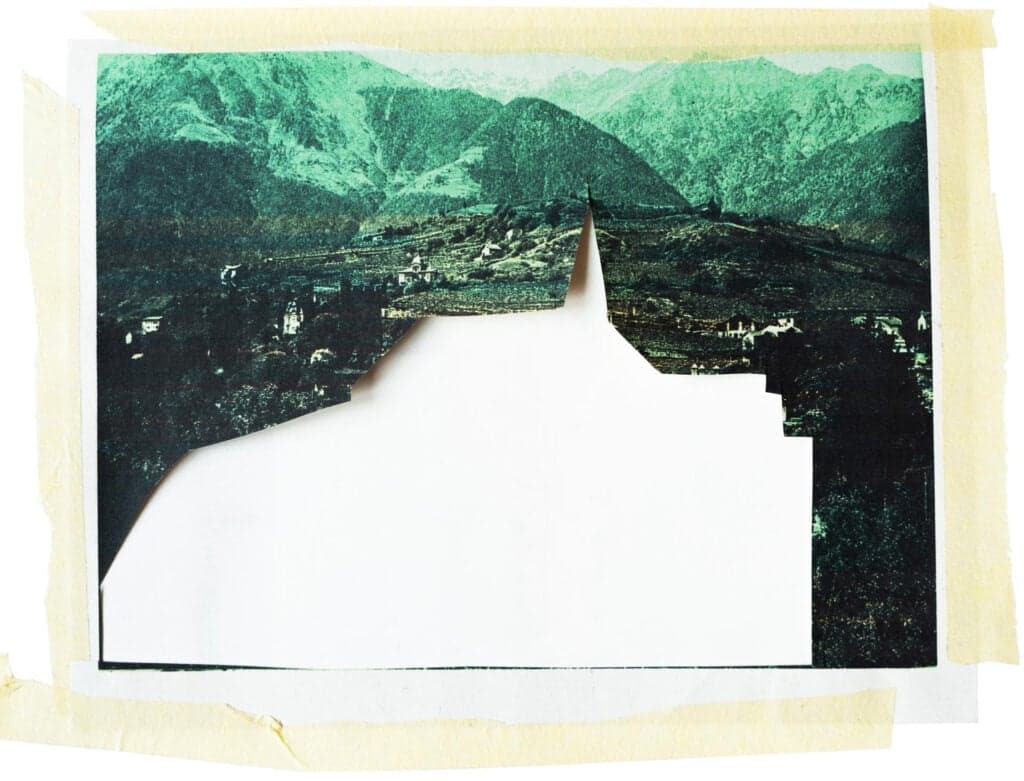
Voci / Voices — 13th Edition of the Giovane Fotografia Italiana Prize (Luigi Ghirri) Voci / Voices b...
Rivista online registrata al Tribunale di Napoli n. 43 del 23/03/2022
Direttore: Lorenzo Crea
Editore: Visio Adv di Alessandro Scarfiglieri
Insight italia srl (concessionario esclusivo)
Rivista online registrata al Tribunale di Napoli n. 43 del 23/03/2022
Direttore: Lorenzo Crea
Editore: Visio Adv di Alessandro Scarfiglieri
Insight italia srl (concessionario esclusivo)
