
Autore: Redazione • 26/03/2026 12:30
Italian contemporary art presents a dual picture: internationally recognized figures coexist with many practices that remain little known outside Italy. This situation stems from both structural issues in promotion and from characteristics intrinsic to the artistic production itself.
Main reasons for limited representation abroad can be summarized as follows:
To better understand the landscape, it helps to identify three main strands that often overlap:
Examples of internationally visible Italian artists include Maurizio Cattelan, Vanessa Beecroft, Francesco Vezzoli, Paola Pivi, Rudolf Stingel, Roberto Cuoghi and Rosa Barba.
Improving international presence requires coordinated, practical measures. Priority actions include:
Italian contemporary art contains undeniable strengths but is held back by systemic weaknesses in promotion and in the ability to innovate language. Strategic, coordinated and long-term interventions can raise international visibility, supporting both established talents and emerging practices that renew tradition with a contemporary outlook.
Location: Italia
Coordinates: 41.87194, 12.56738

“8 hours of work, 8 of leisure, 8 for sleep”—a slogan that today is certainly an invitation to remem...
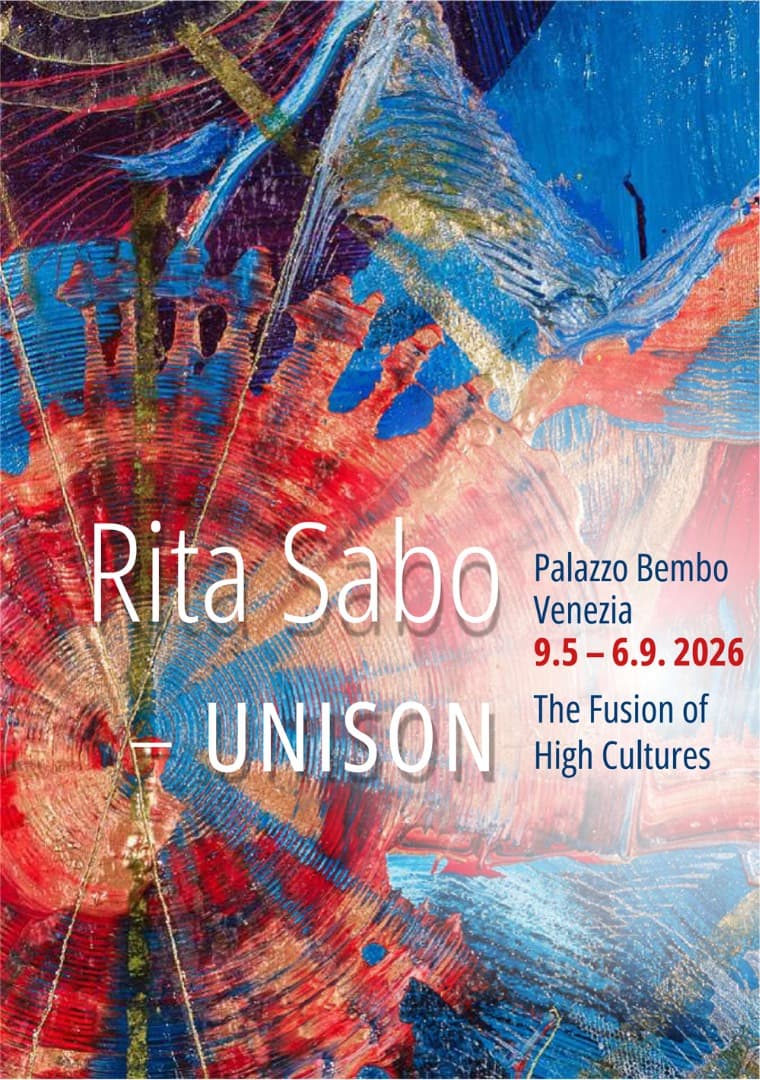
Rita Sabo in Venice: "UNISON – The Fusion of High Cultures" Dates: 9 May – 6 September 2026. Venue: ...

Destination Lombards: the Digital Grand Tour of UNESCO Sites A national cultural project links seven...

Bovino relaunches with responsible tourism and Sustainability Festival In the village of Bovino (FG)...

Cecilia Vicuña at Rivoli: overview Castello di Rivoli hosts El glaciar ido, the first museum solo in...
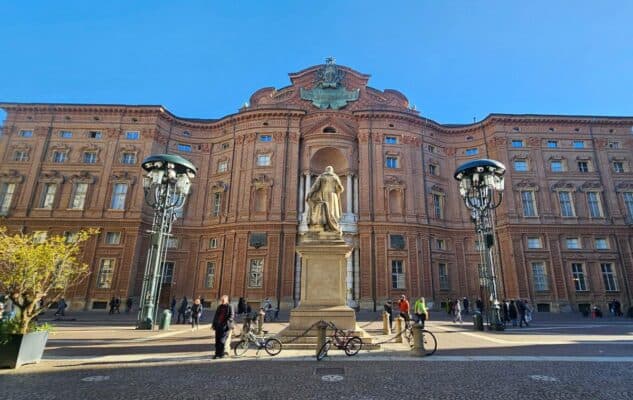
Free museum entry in Turin: Sunday 3 May 2026 Sunday 3 May 2026 marks the first-Sunday-of-the-month ...
Rivista online registrata al Tribunale di Napoli n. 43 del 23/03/2022
Direttore: Lorenzo Crea
Editore: Visio Adv di Alessandro Scarfiglieri
Insight italia srl (concessionario esclusivo)
Rivista online registrata al Tribunale di Napoli n. 43 del 23/03/2022
Direttore: Lorenzo Crea
Editore: Visio Adv di Alessandro Scarfiglieri
Insight italia srl (concessionario esclusivo)
