
Autore: Andrea Chianese • 13/04/2026 09:39
We are in the early 1960s. On one side there is Enzo Ferrari, the "Drake", absolute monarch of the automotive world. On the other, a great entrepreneur from Emilia who made his fortune with tractors and air conditioners: Ferruccio Lamborghini. Ferruccio loves the good life, drives a Ferrari 250 GT, and is not the type to stay in his place.
The problem is that the clutch of his luxurious supercar keeps burning out. And Ferruccio, being a born mechanic, doesn’t think twice: he takes it apart, examines it, and makes a discovery that sends him into a rage. That clutch, in that dream Ferrari, is identical to the one he uses in his tractors.
He decides to go personally to Maranello to confront the situation.
"Ferrari, your cars are beautiful, but the mechanics are scrap!"
Enzo’s reply is cutting, imbued with an aristocratic snobbery that only the great figures of luxury can display:
"Lamborghini, you may be able to drive tractors, but you will never be able to drive a Ferrari."
Ferruccio could not accept such an insult. Staying silent in the face of such a provocation would have meant betraying his very DNA. So Ferruccio returns to Cento with a crazy and vengeful idea:
"I will build the perfect car myself. And I’ll show you how it’s done."
That is how the myth of Lamborghini was born. Not from market research, not from a business strategy, not from an industrial plan. Or at least not at the beginning. It all started from a magnificent, bold Italian act of revenge. The kind of thing that doesn’t happen in the rest of the world. And that’s precisely why so many legends are born here.
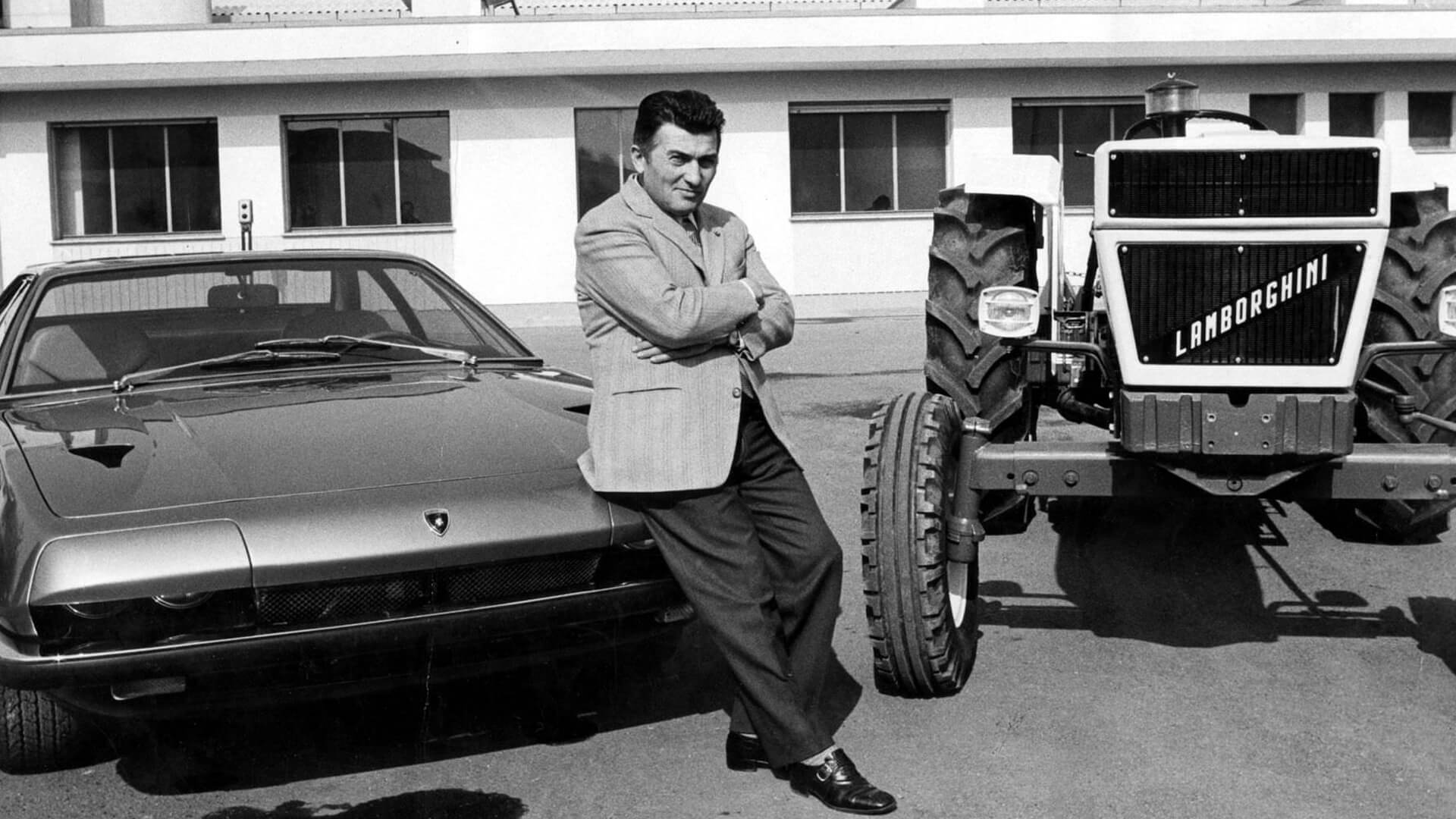
Ferruccio is not one to waste time. In 1963, in Sant'Agata Bolognese, he has a cutting-edge factory built in just a few months. A huge plant, very modern for its time, destined to make automotive history.
But to beat Ferrari, you have to steal its secrets. So Ferruccio, with blank checks and absolute determination, “poaches” the best minds of the time: engineer Giotto Bizzarrini, and the young prodigies Giampaolo Dallara and Paolo Stanzani. A team of rebellious geniuses, perfect for a revolution.
The philosophy is clear: not race cars adapted for the road, but the fastest, most luxurious, and most reliable grand tourers in the world.
The symbol says it all: the Bull. Not just for the zodiac sign or passion for bullfighting, but because the bull charges head down and never stops. It is the perfect opposite of the Prancing Horse: elegant vs. brutal, aristocratic vs. unstoppable. Two philosophies colliding at 300 km/h.

Lamborghini didn’t just compete. It rewrote the rules.
Before the Miura (1966), sports cars had front engines. That was the norm. Lamborghini placed a transverse V12 behind the seats and changed everything overnight. Low, aggressive, revolutionary. When Frank Sinatra saw it, he said driving it meant “becoming somebody.” It was the first true modern supercar.

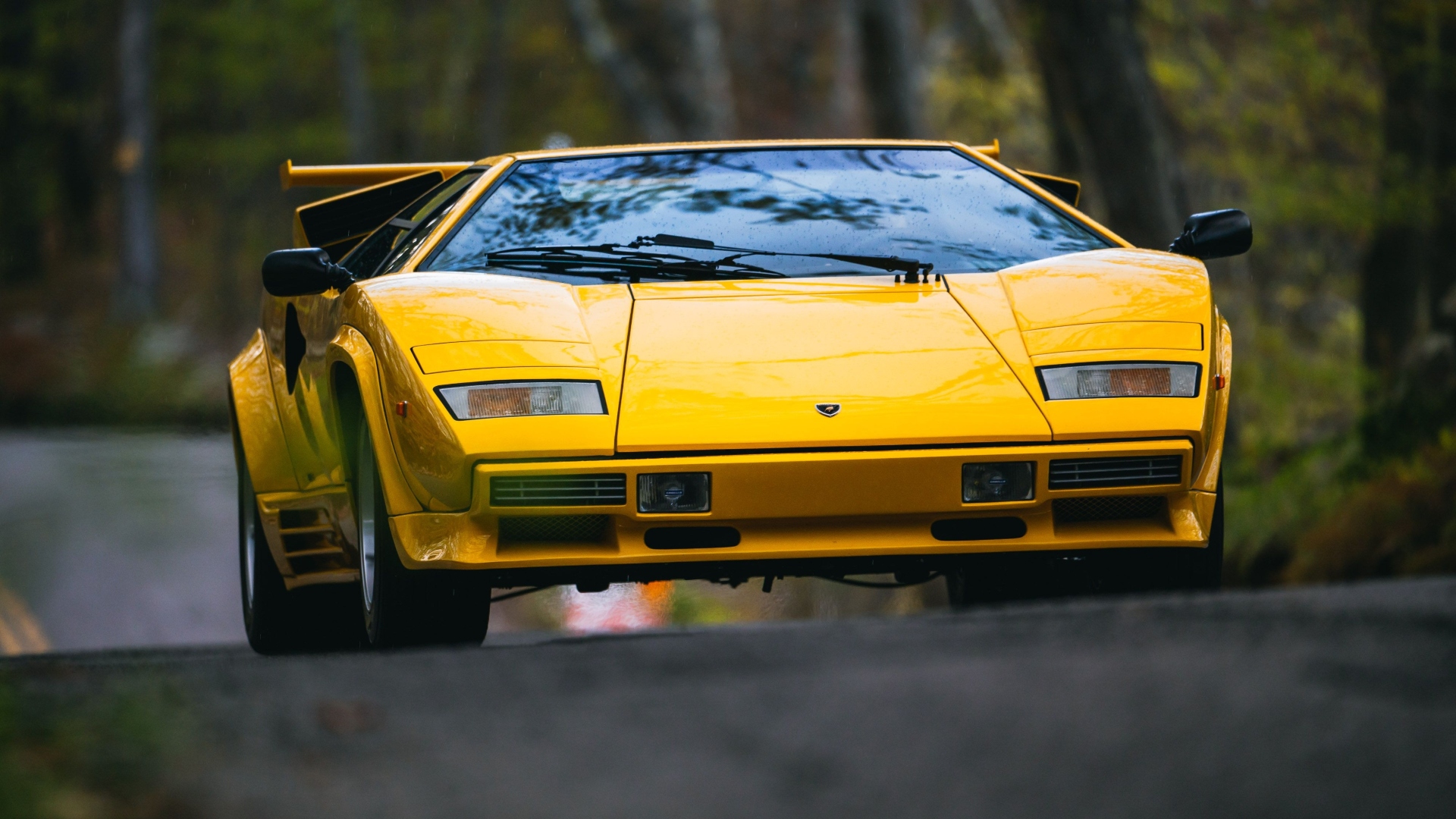
Then came the Countach (1974). If Miura was revolution, Countach was pure icon. Sharp edges, wedge design, extreme proportions, and the legendary scissor doors. From that moment, Lamborghini didn’t follow trends, it defined them.
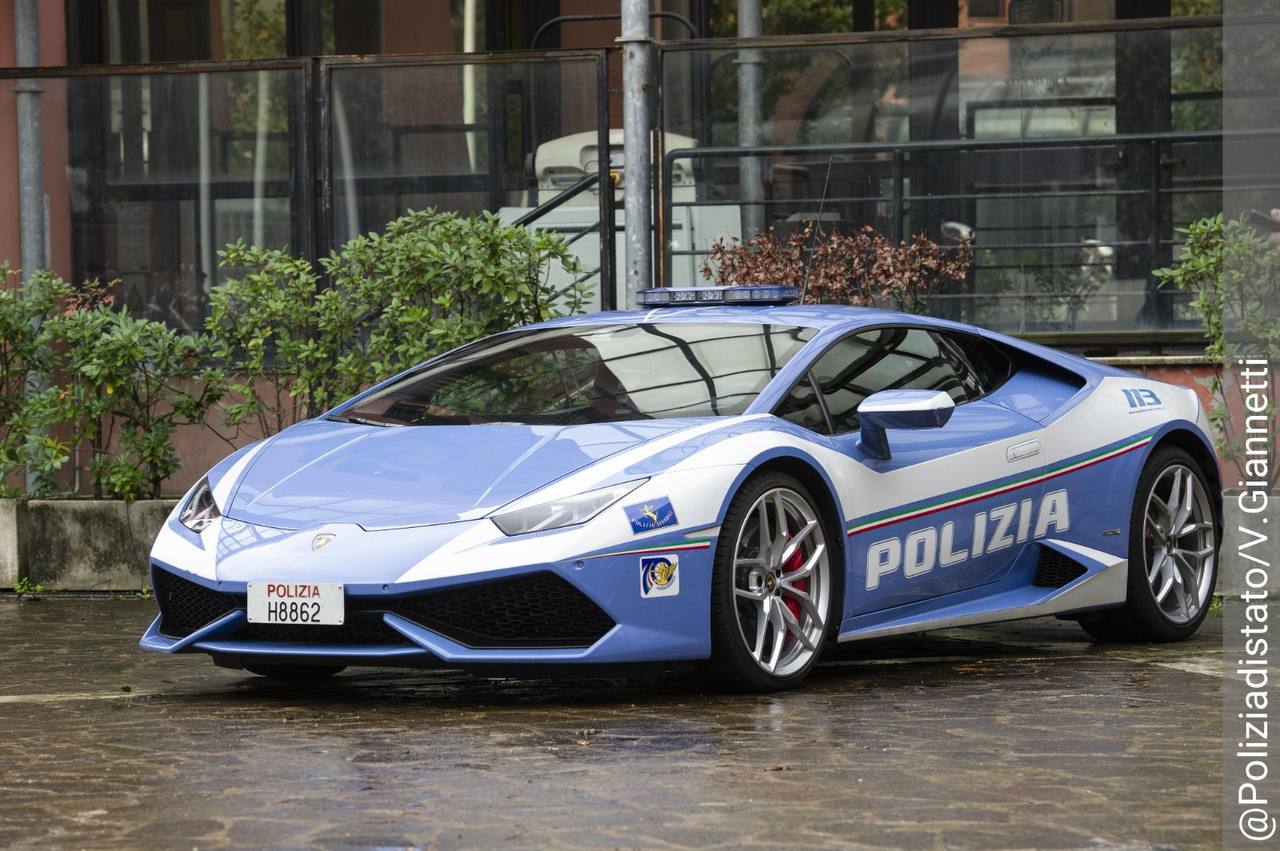
Not everyone knows that the Italian State Police uses Lamborghinis—not for chases, but for life-saving missions. Inside the front trunk there’s a special fridge box used to transport organs across the country at incredible speed. A detail of pure Italian pride.
Lamborghini is also obsessed with innovation. In 2019, it sent carbon fiber materials to the International Space Station to test them under extreme conditions. From tractors to space, literally.
Together with MIT, it even developed a concept car capable of self-healing, using special resins that repair micro-cracks. Science fiction, made real.
In the late 1990s, Audi and Volkswagen Group stepped in. They brought structure—but preserved the Italian soul. Cars like Murciélago and Aventador marked a new golden age.
Then came the bold move: the Urus (2018). A “Super SUV” that shocked purists—but doubled sales and financed future innovation. Sometimes, pragmatism is the ultimate boldness.
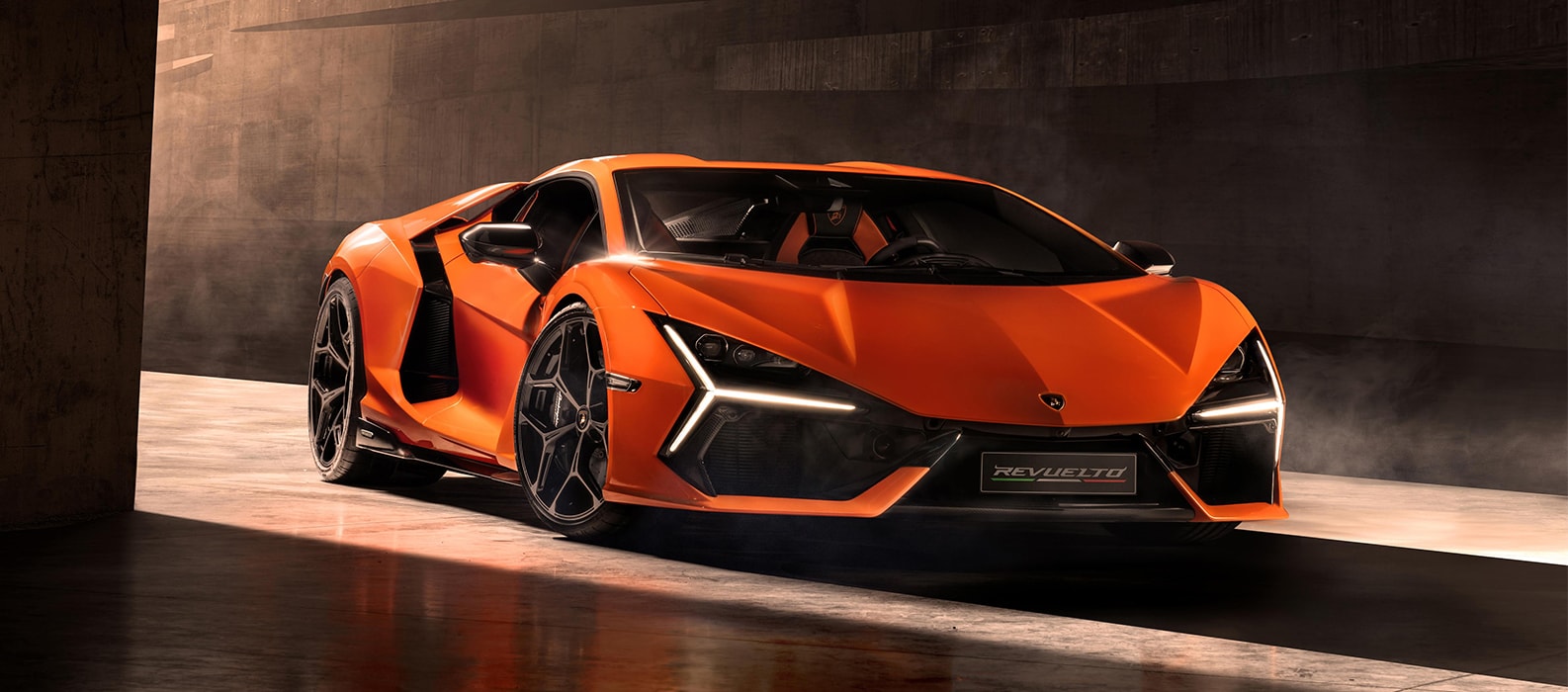
And what about the future? The Revuelto is not about compromise. It’s an HPEV (High Performance Electrified Vehicle): electric motors that enhance, not replace, the V12, reaching 1,015 horsepower. Electrification as power, not limitation.
The next step? Lanzador (2028): Lamborghini’s first fully electric model. Silent, yes—but still capable of delivering brutal acceleration. Because the Bull never made noise for the sake of noise.
The Bull makes noise because it charges.
Sixty years ago, Ferruccio Lamborghini challenged the establishment and did things his way. Today, facing the biggest revolution in automotive history, the company is doing exactly the same.
The V12 will live on as long as possible, supported by hybrid technology. The electric future is already coming.
Ferruccio would probably smile. His challenge was not only won—it created a brand that still, after sixty years, looks forward with determination and courage.
The Bull is ready to charge again. And as always, it means business.

There is a sound that never fades. Not the kind that dissolves into the air, but that of bronze bell...

In small, middle-class Milan, near the Villaggio dei Giornalisti, temporary housing units were built...

From April 13 to 16, 2026, the Bologna Children’s Book Fair returns for its 63rd edition. Once again...

In 1291, Doge Pietro Gradenigo signed a decree that would forever change the history of European cra...

Tornano sabato 21 e domenica 22 marzo le Giornate FAI di Primavera, il più grande evento di pia...

2026 is approaching, and with the date set for Sunday, April 5th, the first real long weekend of spr...
Rivista online registrata al Tribunale di Napoli n. 43 del 23/03/2022
Direttore: Lorenzo Crea
Editore: Visio Adv di Alessandro Scarfiglieri
Insight italia srl (concessionario esclusivo)
Rivista online registrata al Tribunale di Napoli n. 43 del 23/03/2022
Direttore: Lorenzo Crea
Editore: Visio Adv di Alessandro Scarfiglieri
Insight italia srl (concessionario esclusivo)
