

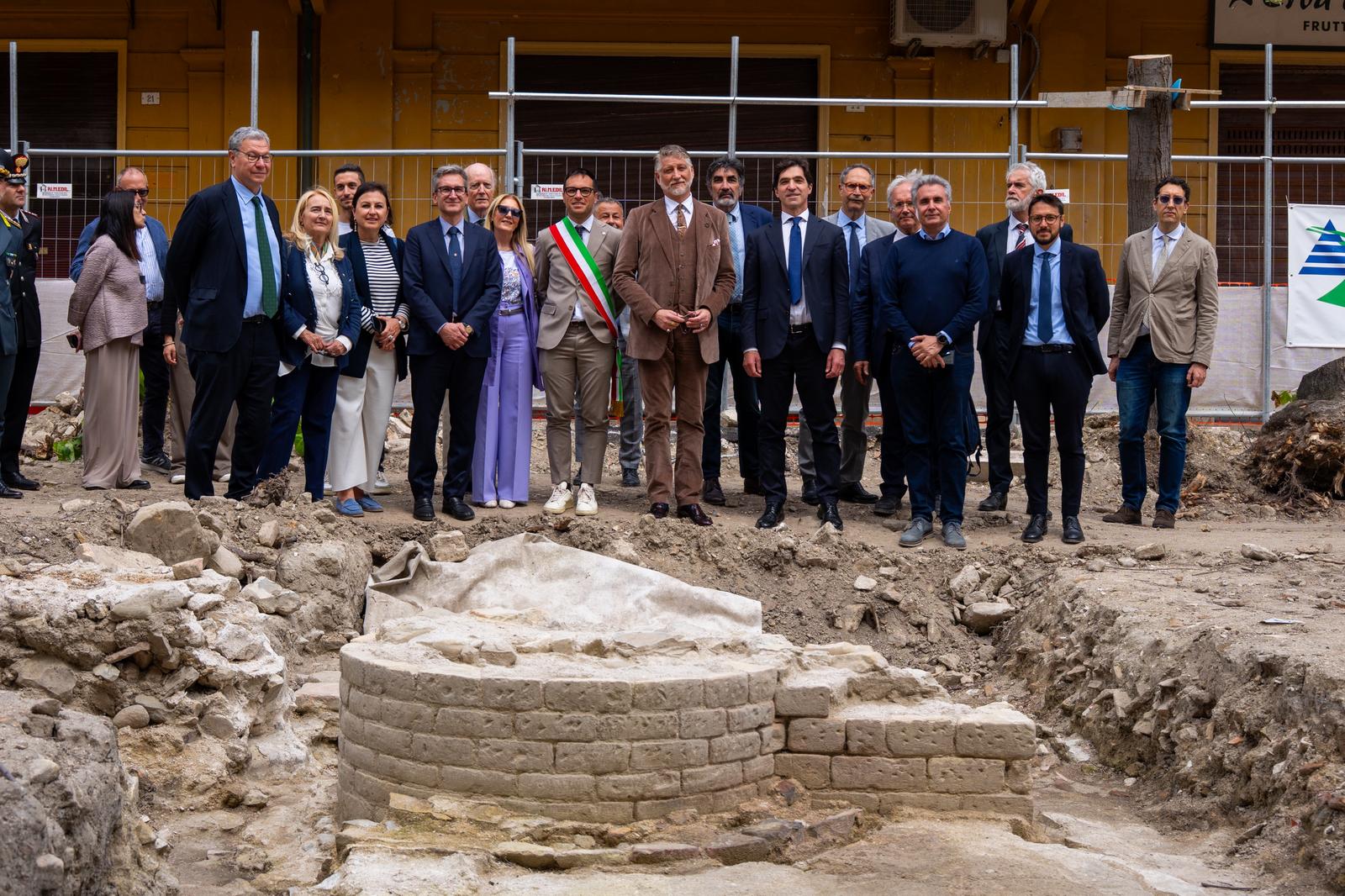
Discovery and display: linking archaeology with Renaissance art
Excavations in Piazza Andrea Costa, Fano, have revealed structural remains of the basilica attributed to Vitruvius from the 1st century BC. Findings such as foundation blocks, perimeter walls and stone flooring fragments underscore the archaeological significance of the site and open fresh research avenues.
An exceptional temporary exhibition
To enhance the site's visibility, Leonardo da Vinci's Vitruvian Man will be temporarily moved from the Gallerie dell'Accademia in Venice and displayed in Fano for a single day: Tuesday, 19 May 2026. The initiative aims to connect the famed proportional drawing with the architectural context emerging from the digs.
Funding and local development
Excavation and conservation efforts benefit from national and PNRR funds earmarked for cultural heritage in the Marche. Work has been proceeding intensively since 15 April 2026, focusing on both scientific investigation and the long-term preservation and accessibility of the site.
Why this matters
- Scientific value: the basilica described by Vitruvius offers direct evidence of ancient architectural practice and enriches studies on Roman urbanism.
- Cultural promotion: hosting the Vitruvian Man in Fano increases the site's international profile and boosts cultural tourism.
- Economic impact: collaboration between excavations, museums and authorities can generate positive local economic effects.
Practical information
Temporary exhibition date: 19 May 2026. Excavations are ongoing; further announcements on visits and related events will be published as details become available.
Where it is
Location: Piazza Andrea Costa, 61032 Fano PU, Italia
Coordinates: 43.8446073, 13.0171889