
Autore: Redazione • 01/10/2025 11:04
History and description
Located in the heart of the city, in Piazza Italia, the Palazzo del Governo of Pescara is one of the most representative buildings of early 20th‑century institutional architecture. It was designed in 1927 by architect Vincenzo Pilotti, and its style combines elements of monumental classicism with traits of rationalism, typical of the Fascist era. The structure is characterized by a wide façade, enriched with a central portal and large framed windows. At the entrance stand four symbolic sculptures by Guido Costanzo, representing the province’s main activities: fishing, agriculture, industry, and sheep‑farming. Inside, the highlight is the famous Salone dei Marmi (Hall of Marbles), a ceremonial hall decorated with busts, frescoes, and the coats of arms of the province’s municipalities. Today, the palace houses the Prefecture, the offices of the Province of Pescara, and the “Gabriele D’Annunzio” Provincial Library, one of the most important book collections in the region.
Curiosities
One of the most curious features is the presence of the municipal coats of arms reproduced in ceramic inside the Salone dei Marmi, paying homage to the unity and history of the surrounding territories. Few people know that the building was also conceived as a “political manifesto” of Pescara’s new identity, as the city had only recently become a provincial capital at the time of its construction. In this hall, visitors can also admire a bronze bust of Gabriele D’Annunzio, the famous native of Pescara.
Access
The Palazzo is not a museum and therefore cannot be freely visited.
How to reach it
The palace is just a few minutes’ walk from Pescara’s central railway station. It is also easily accessible by city buses on the main urban lines. By car, take the Pescara Ovest exit from the A14 motorway and follow the signs to the city center.
Visiting the Palazzo del Governo means stepping into one of the city’s most representative buildings and experiencing a blend of art, architecture, and history.
Photo credits: www.arrivalguides.com or Guido Giaminetto (Google Maps)

Threads of Absence: Luca Coser and Arianna Matta Basile Contemporary presents Threads of Absence, a ...
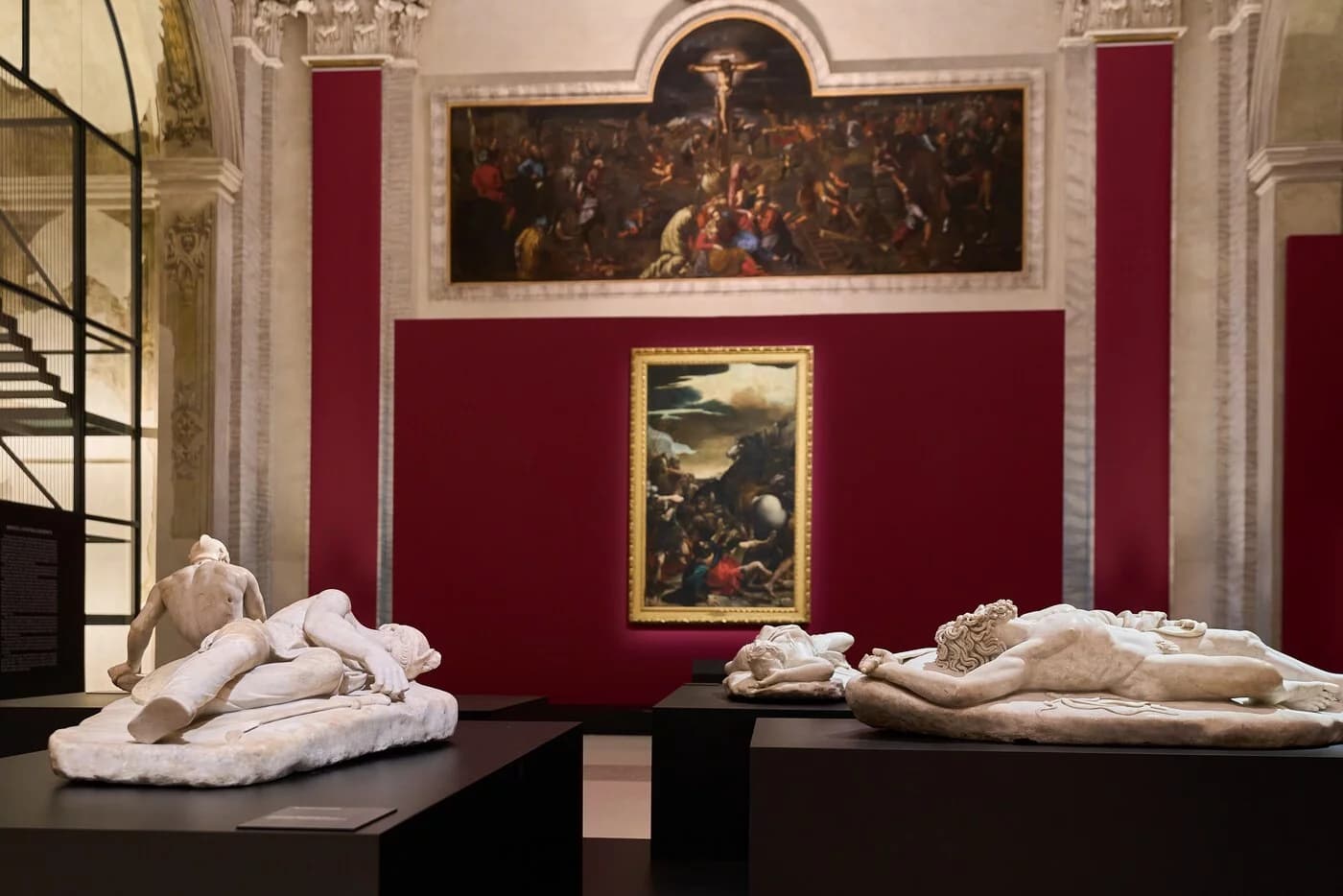
Baroque. The Grand Theatre of Ideas in Forlì Until 28 June 2026, the Museo Civico San Domenico in Fo...

From Museum to Museum: hiking between museums and villages in Maremma The Musei di Maremma network, ...

Tower of Memory: Ludmila Kazinkina’s solo exhibition When: from 18 to 26 April 2026. Where: Clock To...

Milano Art Week 2026: April 13–19 — museum highlights and practical tips From April 13 to 19, 2026, ...
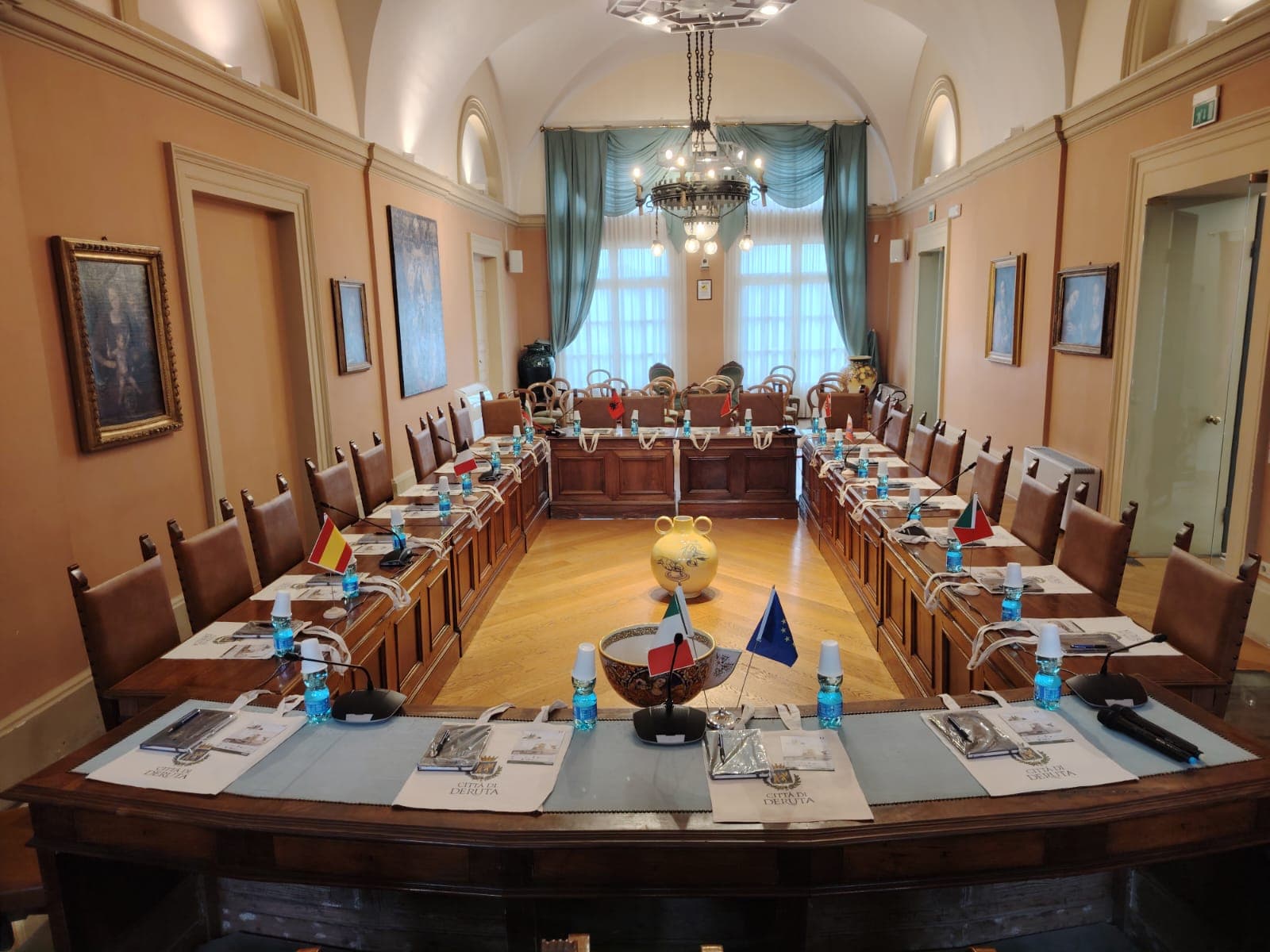
Deruta turns into an open-air gallery: six ceramic art exhibitions Deruta presents a city-wide exhib...
Rivista online registrata al Tribunale di Napoli n. 43 del 23/03/2022
Direttore: Lorenzo Crea
Editore: Visio Adv di Alessandro Scarfiglieri
Insight italia srl (concessionario esclusivo)
Rivista online registrata al Tribunale di Napoli n. 43 del 23/03/2022
Direttore: Lorenzo Crea
Editore: Visio Adv di Alessandro Scarfiglieri
Insight italia srl (concessionario esclusivo)
