
Autore: Luigi Graziano Di Matteo • 28/03/2026 15:47
In 2023, within the Ferrovie dello Stato Italiane Group, a new company was born with the aim of revolutionizing tourism in Italy: FS Treni Turistici Italiani.
In a world that moves increasingly fast, where time is constantly chased, the idea is to help travelers rediscover the pleasure of journeying through slow, high‑quality tourism. The train is no longer just a means to reach a destination — it becomes the true protagonist of the travel experience. On board, numerous services and comforts are designed to offer relaxation and entertainment throughout the journey.
Through the itineraries of FS Treni Turistici Italiani, travelers can reclaim the time they often lack, letting themselves be enchanted by the beauty of our country. The goal is to enhance Italy’s artistic, cultural, culinary and landscape heritage, while also creating new railway routes that connect major cities with smaller, lesser‑known or less accessible towns.
Behind this initiative is engineer Luigi Cantamessa, already General Director of Fondazione FS Italiane and, since 2023, CEO of FS Treni Turistici Italiani. We interviewed him to explore the meaning of “slow tourism” on rails and its impact on our territories.
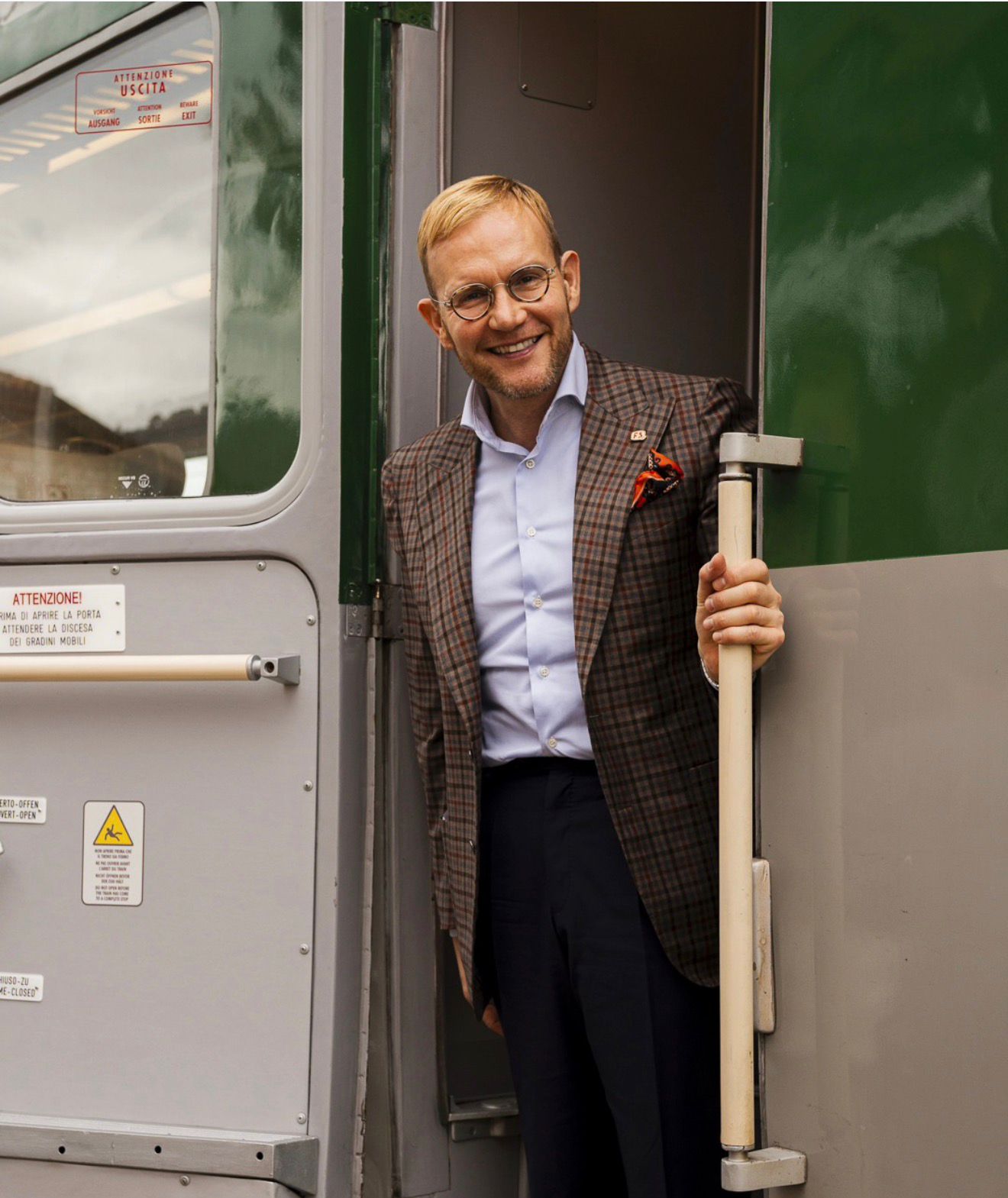
Engineer, with Fondazione FS you carried out extraordinary work to preserve Italy’s historical railway heritage. With the creation of FS Treni Turistici Italiani in 2023, you took a further step, transforming this vocation into a structured tourism offering. What is the main objective of this new company, and what kind of traveler are you targeting?
The objective stems from a clear vision: giving travel back its value, transforming time on board into an experience to live, not just a transfer. FS Treni Turistici Italiani translates this vision into a structured offering capable of proposing a different way of crossing the country — where the train becomes an integral part of the story, among landscapes, traditions and atmospheres unfolding along the route.
We address a broad and diverse audience, both Italian and international, united by the desire to live authentic experiences. Those who choose to slow down, rediscover the pleasure of traveling, and allow themselves to be surprised — but also a new generation of travelers who can approach the railway through an engaging and meaningful experience.
In this sense, our mission is also cultural: to transmit passion and value, carrying forward a legacy born from the enthusiasm of those who, from a young age, believed in the railway as a living heritage of our country.
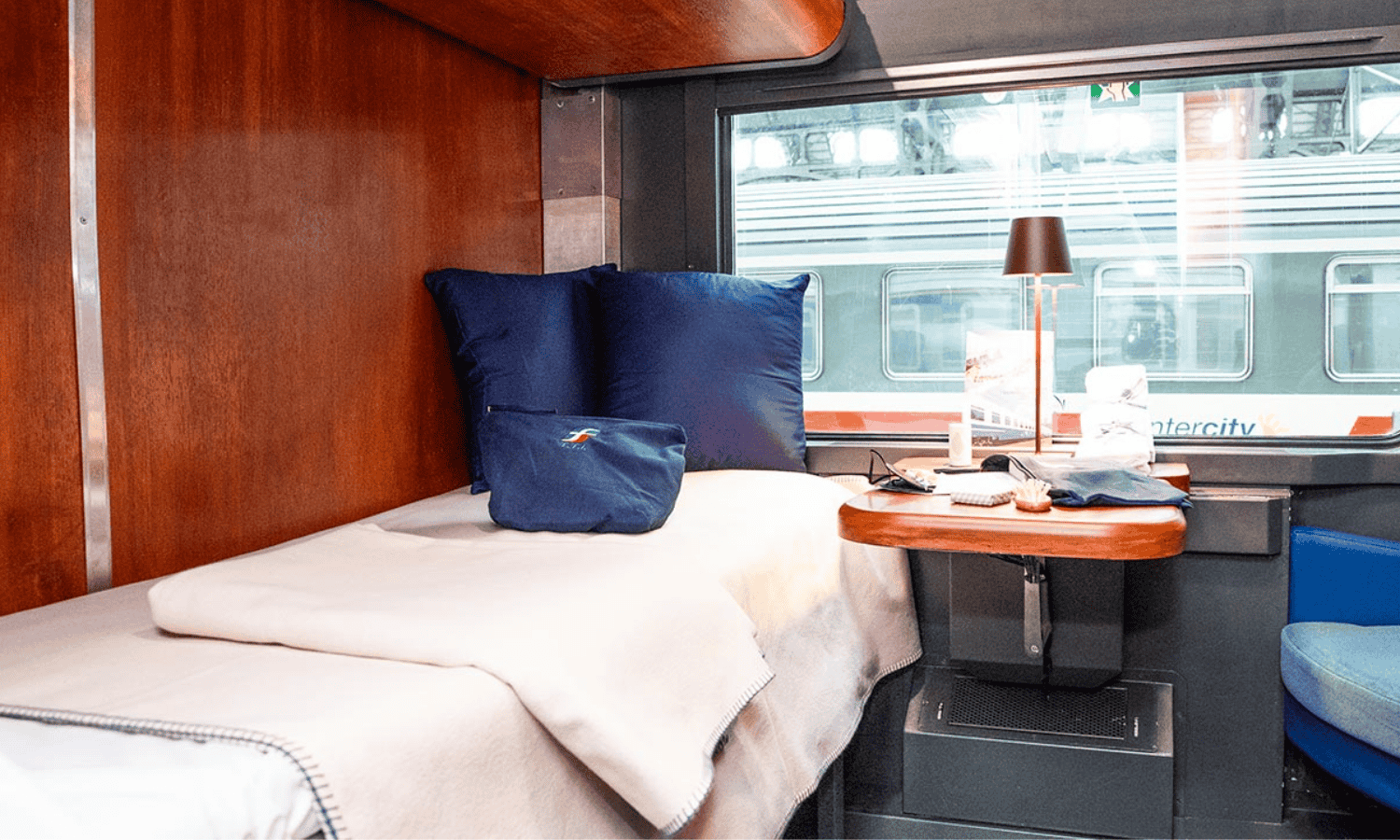
We live in the era of high‑speed rail, where the goal is to travel from Milan to Rome in the shortest possible time. Your project goes in the opposite direction: giving value back to time. Why do you think there is such a strong need today to return to “romantic tourism,” and how can the window of a historic train change our perception of the landscape?
We live in a time when everything is accelerated, but precisely for this reason the opposite desire grows: to stop, observe, and give meaning to the journey. “Romantic tourism” is not nostalgia — it is a contemporary response to a deep need for reconnection, with places and with oneself.
The window of a train completely changes the way we perceive the landscape. We don’t rush through it — we accompany it. The rolling hills of the Langhe, the orderly vineyards shaping the land, the curves of the Val d’Orcia opening onto almost painterly scenes, all the way to the Abruzzo highlands, where light and seasons transform every journey into something new.
It is a gaze that expands, that rediscovers details, atmospheres, silences. In this way, travel stops being a parenthesis between two points and becomes an experience, a memory, a story.
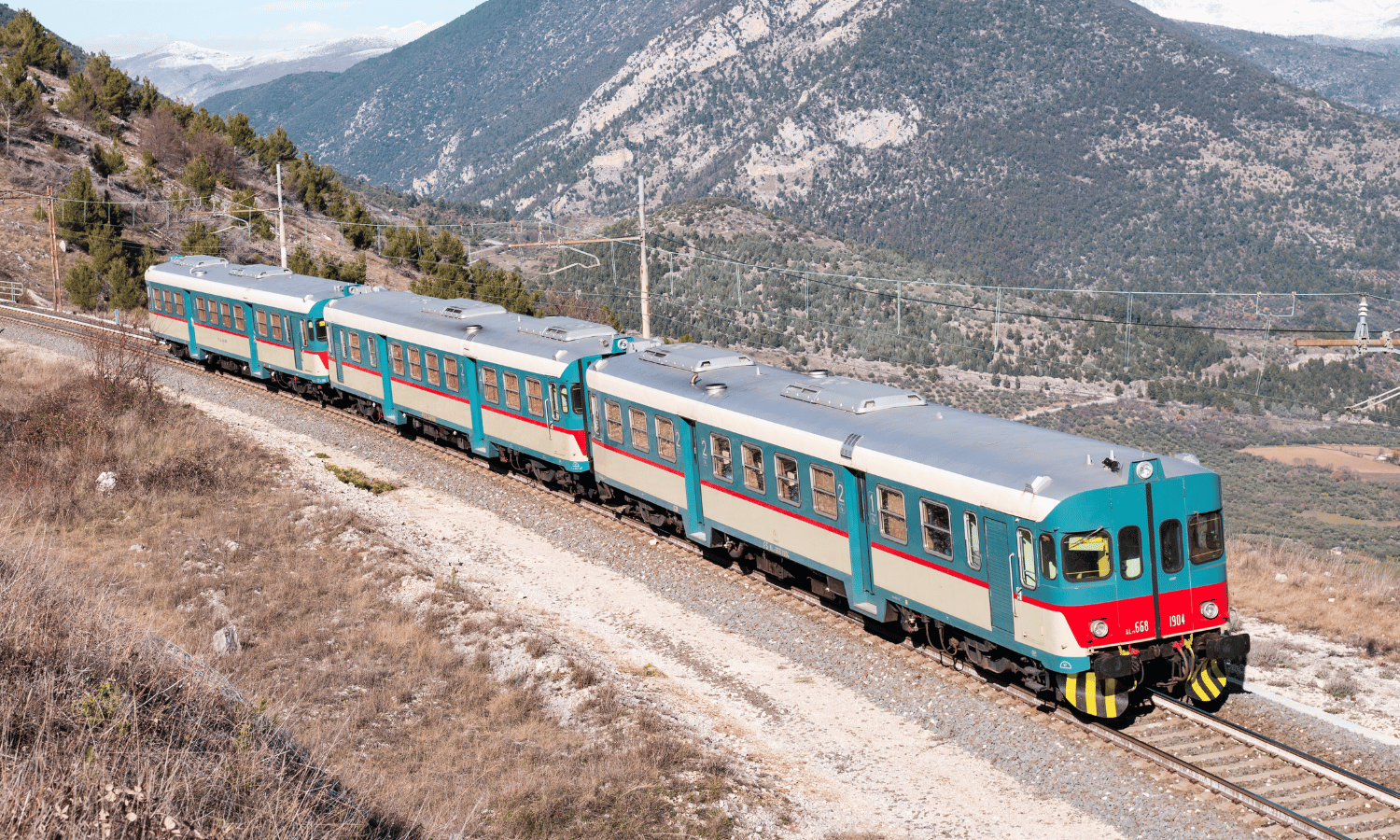
Among the many initiatives planned, the long‑awaited Treno dei Limoni will depart on May 16. What makes this itinerary so special? What should a passenger expect when choosing to spend a day among rails, coastal landscapes and local excellence?
The Treno dei Limoni is unique because it brings together, in a single experience, travel, landscape and territorial identity. It is not just a day between Milan and the Cinque Terre — it is a journey that guides the traveler into a specific atmosphere made of scents, colors and traditions.
The trip begins aboard a historic train with 1960s carriages — environments that already tell another era and invite you to live time at a different pace. Then, slowly, the landscape changes: from the plains of the North to the light of the Ligurian sea, the cliffs, the villages suspended between land and water.
The journey is enriched by immersive experiences connected to the territory. In Monterosso, the Lemon Festival fills the town with colors, scents and traditions, offering a multisensory experience.
For those who wish, the trip continues to La Spezia, with a visit to the Historic Rolling Stock Depot. An itinerary that blends landscape, memory and culture, turning every moment into an integral part of the experience.
One of Fondazione FS’s greatest achievements is the “Binari senza tempo” project — the reopening of disused railway lines crossing rural areas and small villages. What economic and social impact does the return of tourist trains have on these parts of Italy, often excluded from major tourism circuits?
The return of tourist trains on these lines generates an impact that goes far beyond the journey itself. Reactivating routes that cross inland areas and lesser‑known villages means bringing attention, visitors and new opportunities to territories often outside major flows.
The project has allowed the recovery of around 1,000 km of historic lines, saving 13 routes from closure — routes that connect major tourist hubs with places of extraordinary authenticity. Today, these tracks host not only historic and tourist trains but also luxury convoys such as the Orient Express – La Dolce Vita, confirming the value and appeal of this heritage.
The impact is tangible both economically and socially: a widespread economy is activated, involving hospitality, restaurants and local products, while communities regain centrality and visibility. The train becomes a tool for revitalization and enhancement of the lesser‑explored heart of the country.
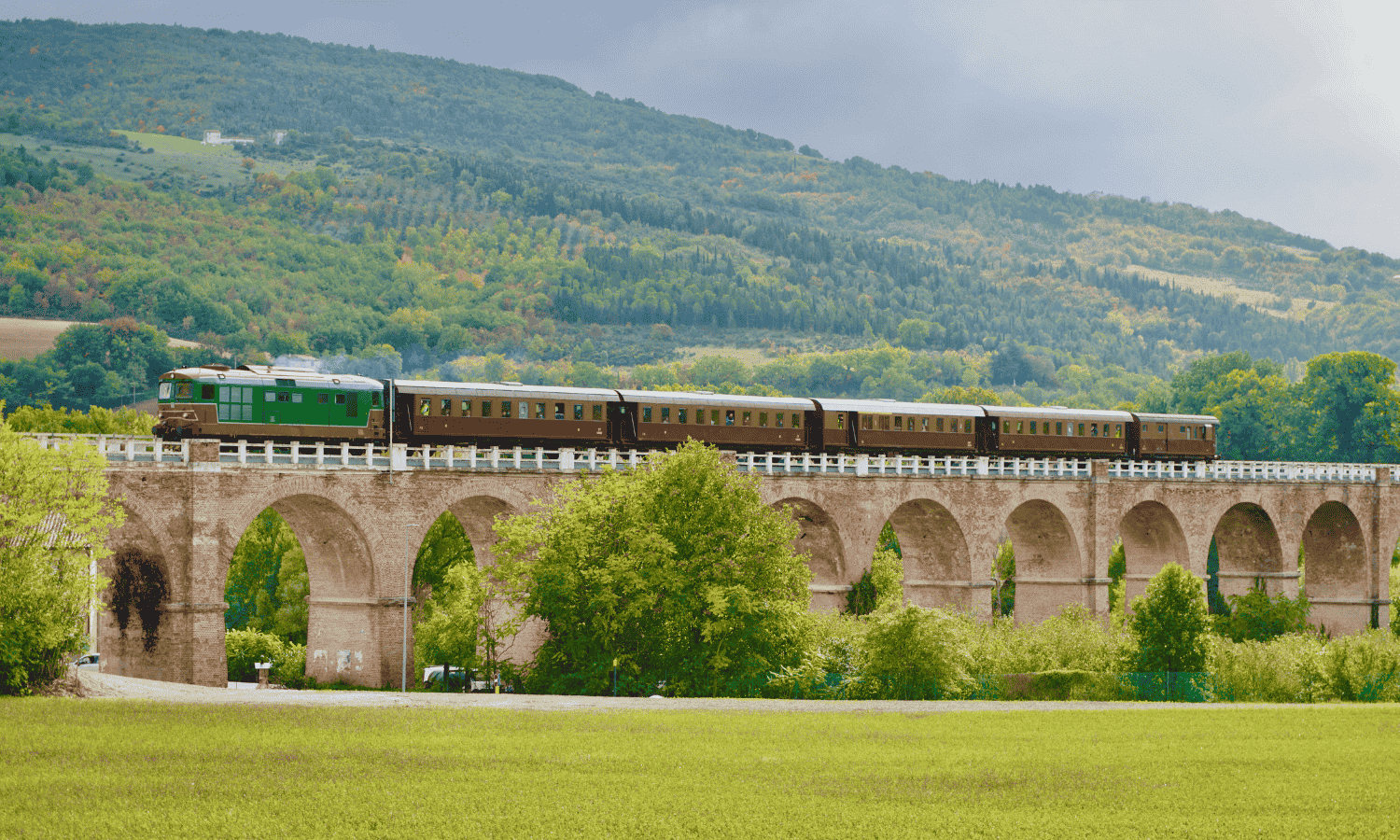
You have launched charming night connections, such as the “Espressi” towards the Alps or the sea, reviving the myth of trains with sleeping cars and restaurant service. What is the next major challenge for FS Treni Turistici Italiani? Is there a historic route — perhaps in the South or on the Islands — that you dream of seeing reborn soon?
The greatest challenge is to continue expanding a travel model that puts time at the center, making it increasingly recognizable and capable of speaking to diverse audiences, including international ones. It’s not just about adding new routes, but about building experiences that are increasingly consistent with the territories crossed, where the train becomes part of the narrative.
There is also the desire to bring this approach to the South and the Islands, where extraordinary heritage still remains partly unexplored. We imagine itineraries crossing unique landscapes — coasts, inland areas, villages — capable of offering an authentic and engaging travel dimension.
More than a single line, the goal is to bring out new geographies of travel, giving continuity and value to territories that have all the qualities to become protagonists of a new season of rail tourism.
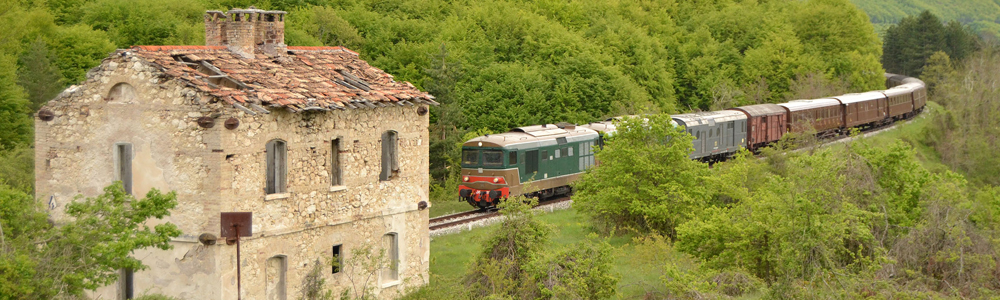
Throughout this interview, we have taken an imaginary journey aboard FS carriages, discovering the beauty of our peninsula.
The work carried out by engineer Cantamessa, supported by the Ferrovie dello Stato Italiane Group, has allowed thousands of people to fall in love again with their territories, their traditions and, above all, their roots.
Their mission — like that of InItaly — is to help Italians rediscover and celebrate their own richness, and in doing so, share it with the travelers who visit our beautiful cities every year. We are honored to have had engineer Cantamessa with us today and hope to welcome him back soon to tell us about the new projects and all the beauty that the Ferrovie dello Stato Italiane Group has carried forward since 1905.
Credits: Fondazione FS Italiane

Con l’arrivo della Pasqua torna protagonista uno dei simboli più amati di questa festività: il ciocc...

The Salento region is an area that stands out not only for the beauty of its sea, which attracts cou...

Alessandro Ristori has brought back the energy of rock’n’roll and the elegance of Italy’s “Dolce Vit...

Il 21 marzo è visto da tutti come un giorno felice, come un giorno in cui i cappotti si chiudono nel...

Fresh from his twentieth Sanremo Festival, Maestro Enzo Campagnoli confirms himself as one of the mo...

Today, March 8, the world celebrates International Women’s Day.Although it is commonly referred to a...
Rivista online registrata al Tribunale di Napoli n. 43 del 23/03/2022
Direttore: Lorenzo Crea
Editore: Visio Adv di Alessandro Scarfiglieri
Insight italia srl (concessionario esclusivo)
Rivista online registrata al Tribunale di Napoli n. 43 del 23/03/2022
Direttore: Lorenzo Crea
Editore: Visio Adv di Alessandro Scarfiglieri
Insight italia srl (concessionario esclusivo)
