
Autore: Luigi Graziano Di Matteo • 11/04/2026 13:38
Antonino De Simone is one of the oldest companies in Torre del Greco, in the province of Naples, specializing in the processing of Mediterranean red coral since 1830, the year of its foundation.
This longevity earned the company recognition from Unioncamere in Rome as one of the 150 historic enterprises of Italy.
Between semi‑finished products and completed jewels — cylinders, spheres, half‑spheres, barrel shapes — the transformations carried out by the company are numerous and varied.
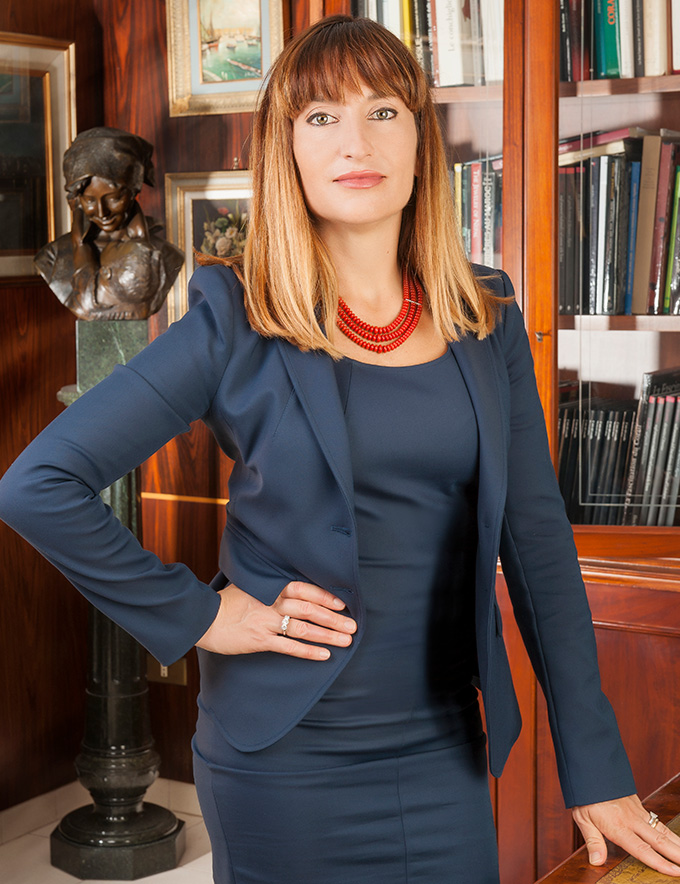
Today the company is led by Gioia De Simone, who creates collections that combine study, knowledge, travel experiences and a strong sensitivity toward sustainability.
We met her to explore the company’s work in detail.
Leading a company recognized among the “Historic Enterprises of Italy,” with nearly two centuries of history, means handling an immense cultural heritage. How do you honor the craftsmanship of the generations before you while bringing coral beyond its most classic forms and into contemporary jewelry collections suited to today’s tastes?
We manage to keep tradition and contemporaneity together because we don’t see these two dimensions as opposites: tradition becomes the root that allows innovation to grow.
We remain faithful to a long tradition — the most authentic expression of Italian beauty and craftsmanship — but at the same time we renew ourselves often, collaborating with international designers, listening to the ideas of our younger clients, and blending different materials and styles in our collections.
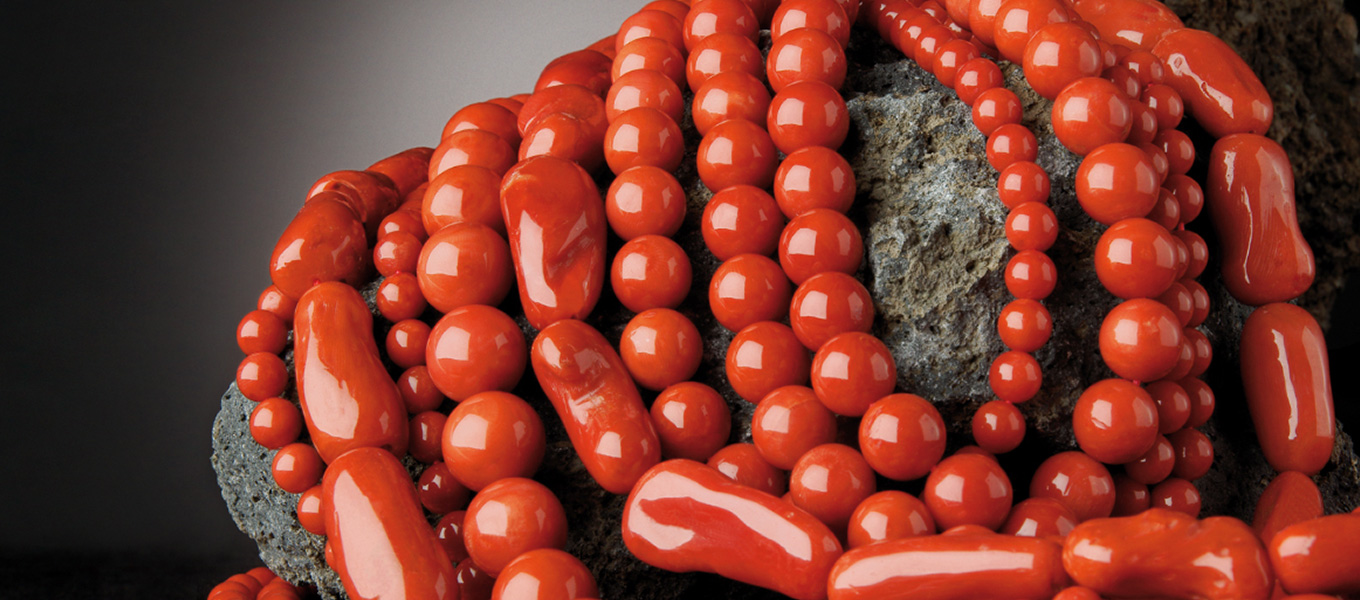
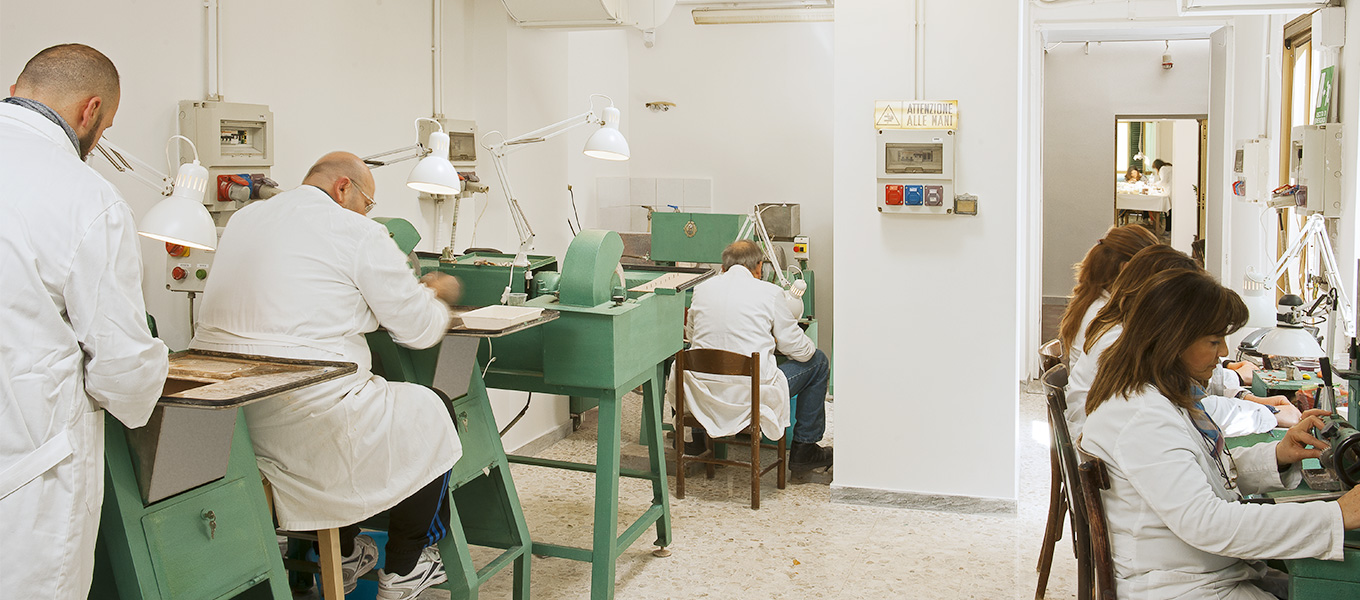
Unlike stones extracted from the earth, coral is an organic material born and grown in the sea. What sensory and emotional relationship develops in your workshops when artisans face a raw branch? Is there a moment when the natural shape of the coral suggests to the craftsman the jewel “hidden” inside it?
Coral is an organic gem with an unpredictable shape and a surface quality that is difficult to read beneath the cenosarc — what we call the “skin.”
An experienced artisan must follow its natural form with care, prudence and patience if they want to maximize its yield. On an emotional level, coral exerts a particular fascination, and the feeling guiding expert cutters throughout the process is one of almost sacred respect.
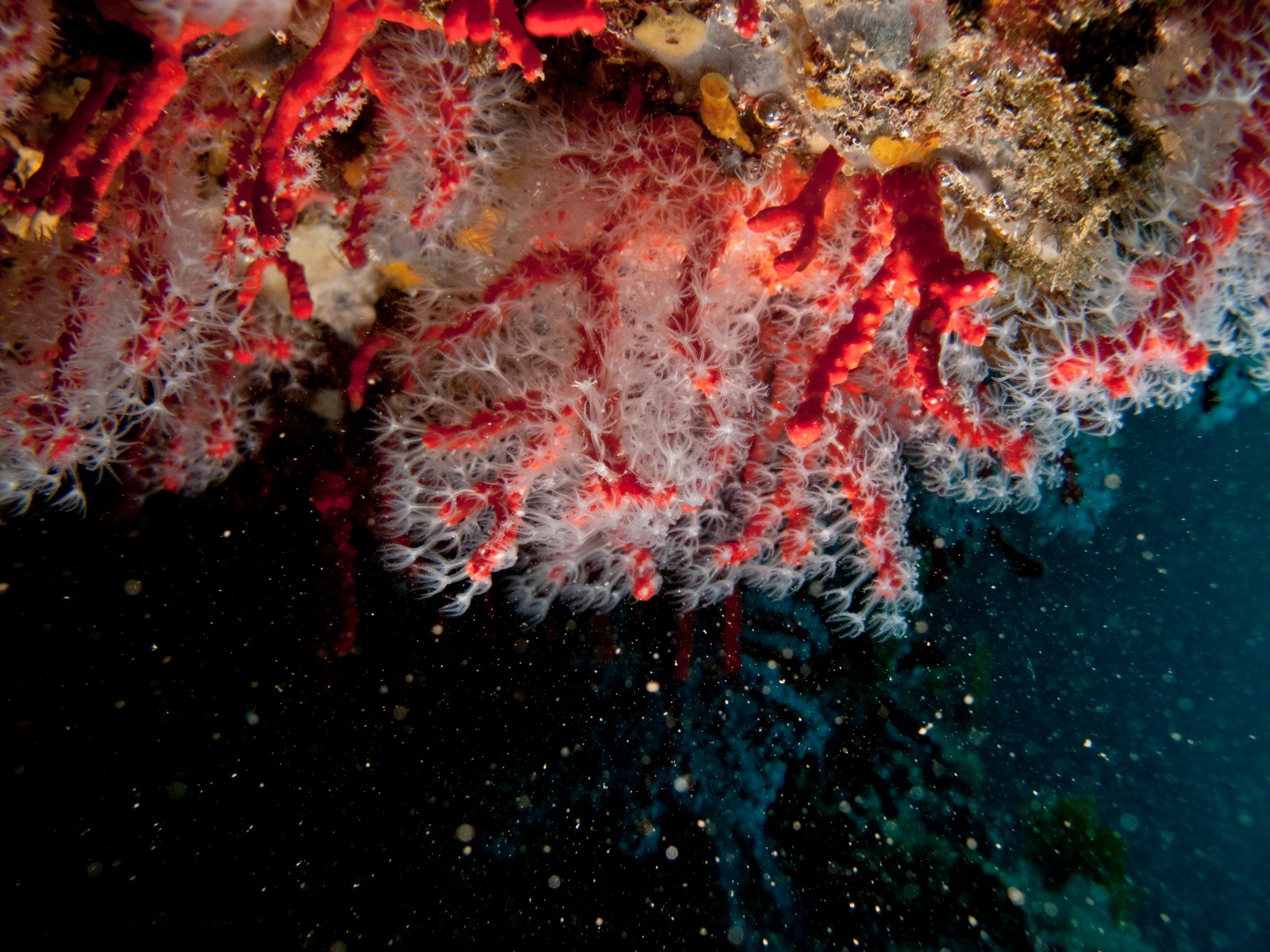
Today environmental issues are crucial, and the sea is a fragile ecosystem. The coral industry often faces concerns from those who fear exploitation of the seabed. How do you reconcile your production with the protection of Mediterranean Corallium rubrum, ensuring clients an ethical, traceable and sustainable process?
In the Mediterranean, coral harvesting is now subject to very strict regulations: collection is carried out only by licensed divers, licenses are limited, quotas are controlled, and long closed seasons are enforced. Our sector strongly supported the ban on harvesting above 50 meters, ensuring a clear distinction between precious deep‑water coral and shallow‑water reef corals, which are prohibited and in any case not workable.
In short, we use only material from legal and controlled supply chains, respecting nature’s timing and transforming each piece with the utmost responsibility.
The world of historic craftsmanship and the great coral families has long been predominantly male. Since 2010 you have been at the helm of the company that bears your father Antonino’s name. What sensitivity, vision or “feminine touch” do you feel you have brought to this ancient craft and to the development of new collections?
The company bears the name of my father, my grandfather, and we can trace it back to the first Antonino De Simone who founded it in 1830.
To be honest, I joined the company right after graduating, very naturally, and I didn’t have to “fight” for space in a male‑dominated world because I am an only child. When my father passed away, I had been working alongside him for five years, but one is never ready for such a challenge — especially at 27.
Fortunately, my cousin Michele, older than me and the company’s historical memory, supported me until his premature passing.
My feminine touch is perhaps simply a different perspective grafted onto an already solid story.
Torre del Greco is the undisputed capital of coral, but high craftsmanship requires patience, sacrifice and time — values that seem at odds with today’s digital speed. What advice would you give to young people approaching this profession? How can we inspire them so that this “know‑how” is not lost?
Being the capital of coral is not a title that lasts forever. Many coral capitals have risen and fallen throughout history, and this art has often been lost due to historical events or political strategies.
To continue a two‑hundred‑year‑old tradition like ours, we must motivate and inspire young talents and offer them real job prospects. Artistic coral and cameo carving is taught today in the only engraving section of the former Art Institute — now the Degni Institute — but true learning happens in the workshop. Increasing attention from institutions and from us entrepreneurs is essential to attract young people and guide talent toward this craft.
We recently collaborated with the Cologni Foundation in Milan, a private institution that promotes initiatives for the protection and dissemination of artistic crafts, supporting young people in their training and entry into the workforce. Through the project “A School, a Job. Paths of Excellence,” the foundation funded the first six months of training for a student selected by the Degni Institute to work in our company. Now, after the project ended, he is completing the remaining six months of training directly with us.
Bringing together master artisans with great experience and young talents creates constant exchange and inspiration for the entire company.
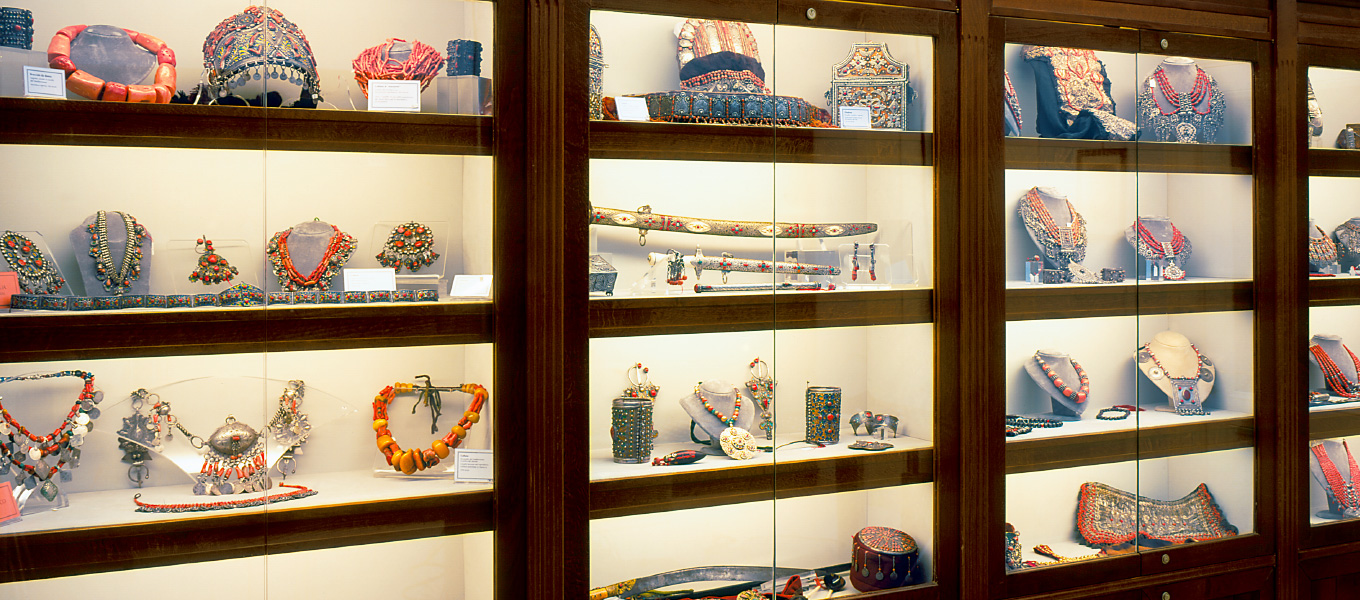
Gioia De Simone’s work demonstrates the complexity of the Antonino De Simone world — a balance between preserving tradition and embracing innovation. Through this, the brand continues to embody expertise, reliability and international prestige.
Photo credits: Antonino De Simone official website (https://www.antoninodesimone.it/)

A historic initiative is taking shape in Naples to safeguard and project into the future one of the ...

From April 12 to 15, 2026, Verona will host the 58th edition of Italy’s most important wine fair: Vi...

Con l’arrivo della Pasqua torna protagonista uno dei simboli più amati di questa festività: il ciocc...

In 2023, within the Ferrovie dello Stato Italiane Group, a new company was born with the aim of revo...

The Salento region is an area that stands out not only for the beauty of its sea, which attracts cou...

Alessandro Ristori has brought back the energy of rock’n’roll and the elegance of Italy’s “Dolce Vit...
Rivista online registrata al Tribunale di Napoli n. 43 del 23/03/2022
Direttore: Lorenzo Crea
Editore: Visio Adv di Alessandro Scarfiglieri
Insight italia srl (concessionario esclusivo)
Rivista online registrata al Tribunale di Napoli n. 43 del 23/03/2022
Direttore: Lorenzo Crea
Editore: Visio Adv di Alessandro Scarfiglieri
Insight italia srl (concessionario esclusivo)
