
Autore: Redazione • 01/08/2025 08:40
We often hear the saying “All roads lead to Rome.” Of course, not literally all, but many did. Among them was the ancient Roman consular road, the Via Flaminia, which connected the Caput Mundi with Rimini and still exists today as a state road. And it is precisely near the Via Flaminia that we find the village we are about to discover: Giano dell’Umbria.
From probable Roman origins to medieval development
Located in the province of Perugia, in the heart of the Umbrian countryside overlooking the Martani Mountains, Giano dell’Umbria joined the list of The Most Beautiful Villages in Italy in 2023.
Its name derives from the pagan deity Janus (Giano in Italian). The village likely has Roman origins: the oldest evidence is a Roman villa discovered in the excavations at Toccioli.
The village flourished in the Middle Ages thanks to its strategic position along the Via Flaminia. The Castle of Giano was contested between Foligno, Todi, and Spoleto, and was part of the so-called “Normandy,” an Umbrian area occupied by the Normans during their clashes with the Duchy of Spoleto.
Destroyed by the Lombards and rebuilt in the 10th century, Giano became part of the Duchy of Spoleto in the 13th century. Apart from the Napoleonic period, it remained under Spoleto’s administration until the 19th century, despite several local uprisings. It became an autonomous municipality in 1930.
Traces of its Roman and medieval past are still visible: remains of a Roman wall crown the hill where the Palazzo Pubblico stands, while the spiral-shaped medieval layout, with gates, towers, and walls (12th–13th century, built in local limestone), still defines the town.
Places to discover
Local specialties
Giano dell’Umbria is part of the Strade del Sagrantino, the wine route promoting Umbrian wines.
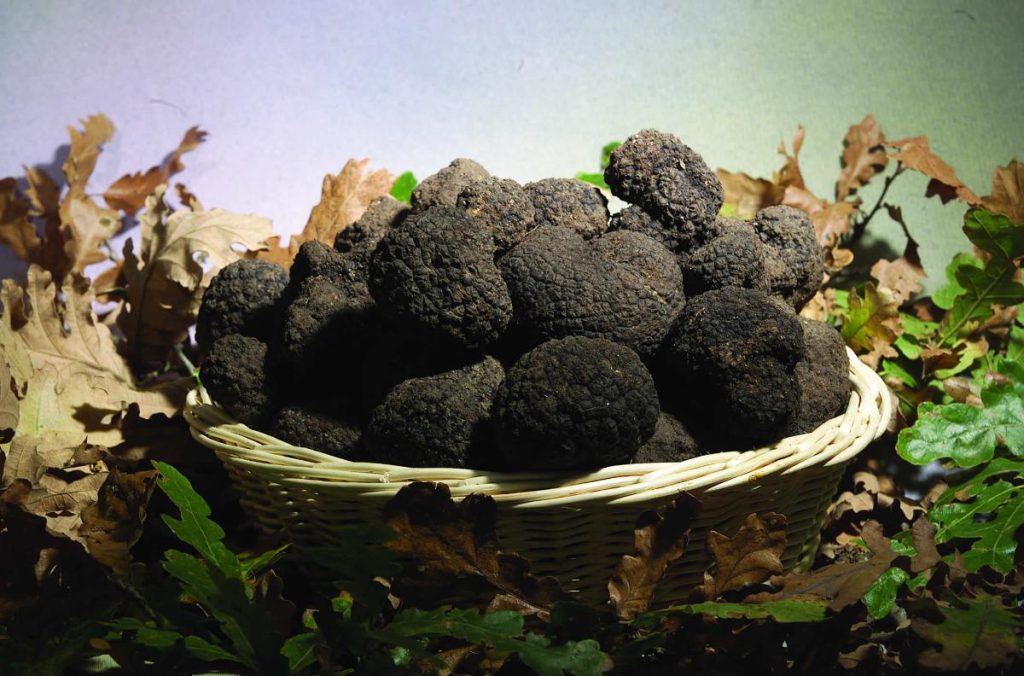
Giano dell’Umbria is a hidden gem where Roman traces, medieval architecture, sacred art, and culinary excellence meet. A village that invites you to slow down, taste, and explore the authentic Umbrian countryside.
Photo credit Visit Giano dell'Umbria

A timeless village between mountains and seaNestled in the lush greenery of the Nervia Valley, just ...

Galtellì, a historic village in Sardinia, is dominated by the bronze statue of Christ by Pedro Angel...

Bitti is located in a picturesque mountainous area, surrounded by lush cork oak forests and nestled ...

Gavoi, a village located in the heart of Barbagia and surrounded by the Gennargentu mountains, is a ...

Aliano, a small village in Basilicata, is located on a steep clay spur at an altitude of 498 metres,...

Casacalenda, an ancient city of Greek origin known as Kalena, boasts historical roots dating back to...
Rivista online registrata al Tribunale di Napoli n. 43 del 23/03/2022
Direttore: Lorenzo Crea
Editore: Visio Adv di Alessandro Scarfiglieri
Insight italia srl (concessionario esclusivo)
Rivista online registrata al Tribunale di Napoli n. 43 del 23/03/2022
Direttore: Lorenzo Crea
Editore: Visio Adv di Alessandro Scarfiglieri
Insight italia srl (concessionario esclusivo)
