
Autore: Luigi Graziano Di Matteo • 30/09/2025 10:53
In the southwest of Umbria, on the border with the province of Viterbo, rises one of the region’s most captivating hilltop towns: Orvieto. Perched majestically on a tuff cliff overlooking the valley of the Paglia River, it offers breathtaking panoramic views in every direction. Orvieto deserves to be explored slowly and thoroughly—two days are ideal to experience its beauty at a relaxed pace. Follow our guide to plan your trip and enjoy an unforgettable stay!
How to Reach Orvieto
From the north, drivers can take the E45 expressway (from Perugia or Assisi) and exit at Orvieto–Todi, then continue along SS71 for about 30 minutes to reach the city.
From the south, it’s approximately 1 hour and 45 minutes from Rome via the A1 highway, exiting at Orvieto and continuing 4.5 km to the city center.
Parking is easy: there are several lots both in the center, such as Piazza Duomo Parking, and nearby, such as Piazza Cahen Parking, close to the main attractions. Alternatively, you can park for free at Orvieto Scalo and take the funicular directly to Piazza Cahen.
Orvieto is also well connected by train, served by the Rome–Florence–Milan line. The journey takes about 1 hour from Rome and 2 hours from Florence.
Where to Stay and How to Get Around
While accommodations in Orvieto Scalo are generally more affordable, staying in the historic center allows you to have all the city’s landmarks within walking distance. The town is compact and best explored on foot.
To visit Orvieto’s main attractions conveniently, consider purchasing the “Carta Unica”, an integrated city pass costing €20, valid for one year and granting access to 10 key sites, including:
You can purchase the card at ticket offices or online through the official website.
St. Patrick’s Well (Pozzo di San Patrizio)
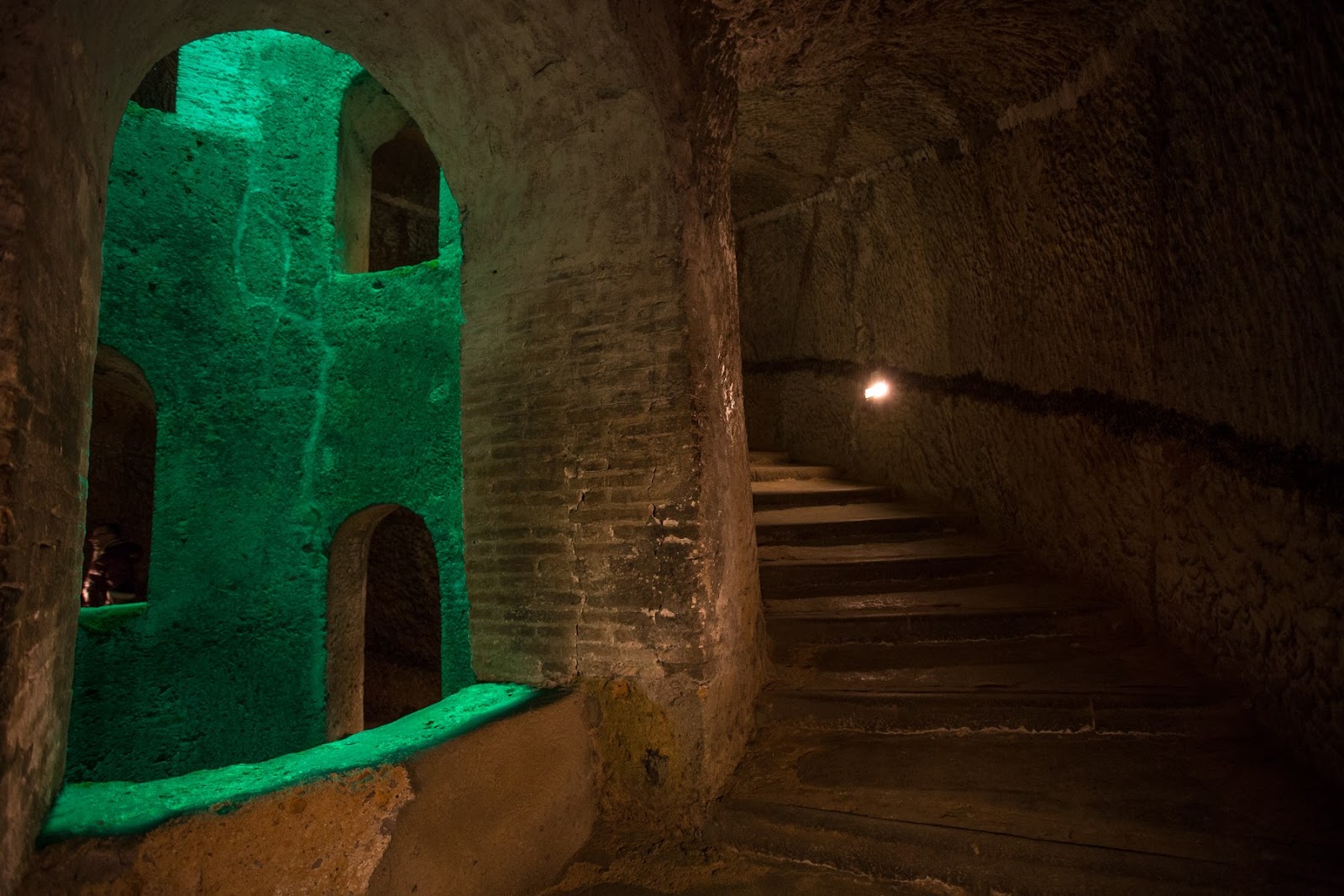
Just a short walk from Piazza Cahen, this is one of Orvieto’s most remarkable landmarks — a masterpiece of Renaissance engineering and architecture. Commissioned by Pope Clement VII in the 16th century, it was designed as a water reservoir to ensure a steady supply during sieges.
The helical double staircase structure descends 54 meters deep, giving rise to legends that it was a gateway to Purgatory. It was dedicated to Saint Patrick due to the legend of his “bottomless cave” leading to the afterlife.
Albornoz Fortress (Fortezza Albornoz)
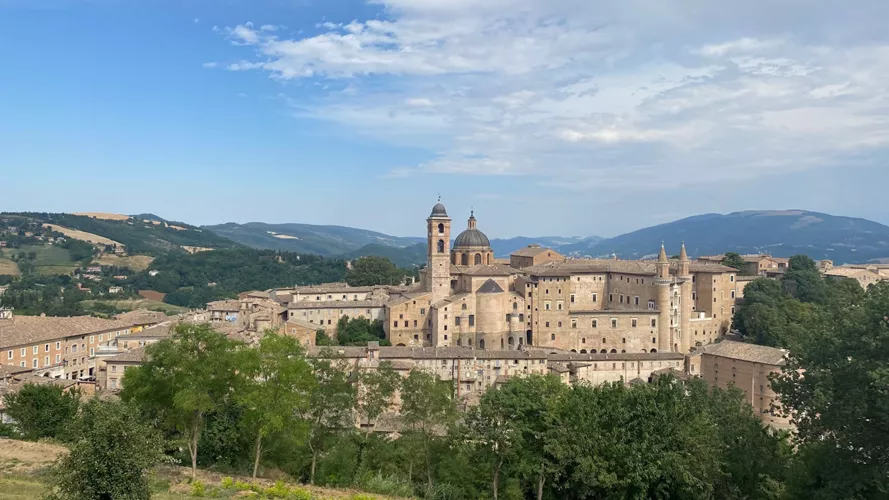
Also near Piazza Cahen stands the Fortezza Albornoz, built in the 14th century to defend the city from eastern attacks. Today, only the impressive towers and walls remain, transformed into a public garden offering stunning views over the Umbrian countryside and the Paglia Valley. Admission is free.
Piazza del Popolo
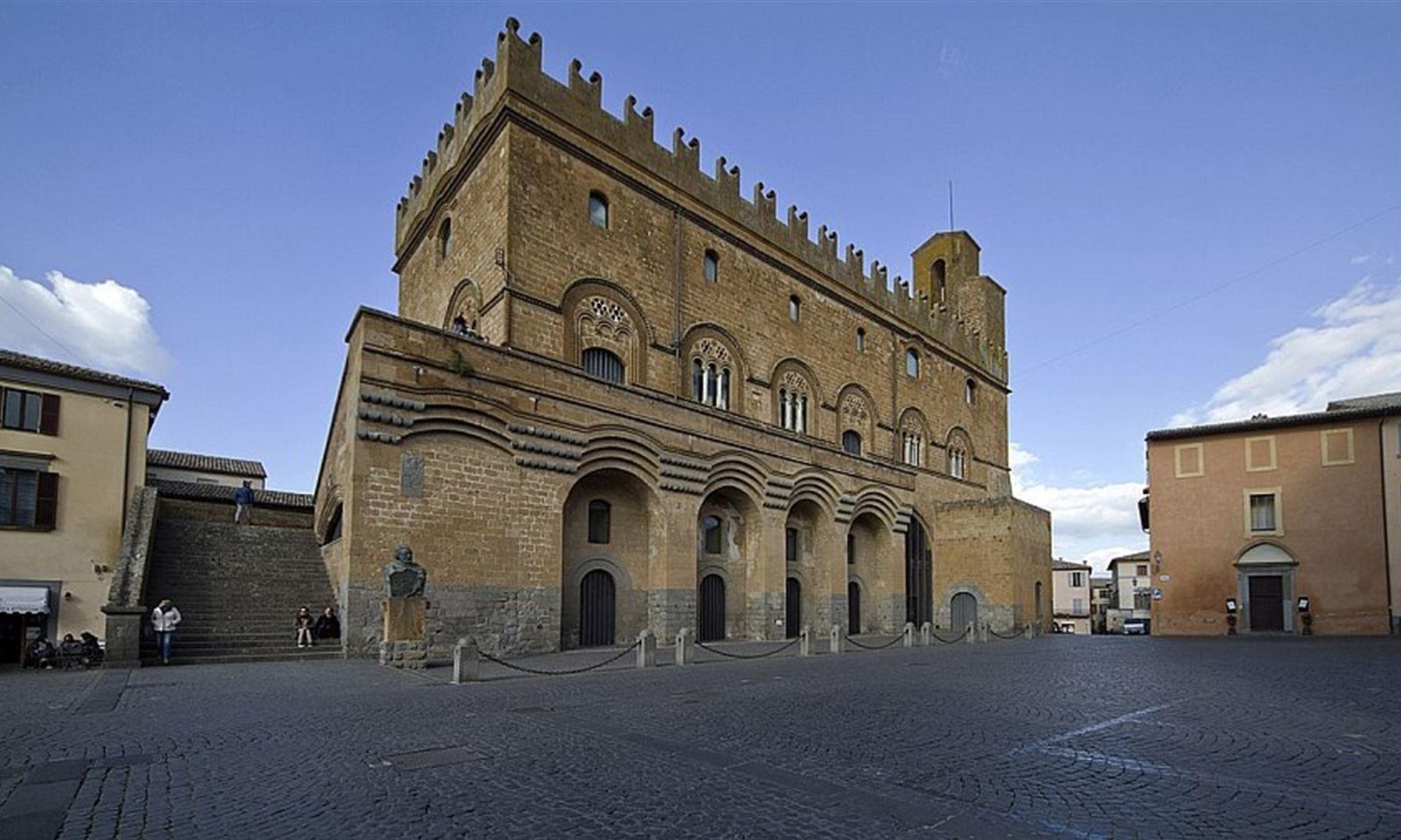
Walking along Via Roma and through the medieval lanes, you’ll reach Piazza del Popolo, Orvieto’s vibrant heart and home to the weekly market. The square is surrounded by historic buildings, including the Palazzo del Capitano del Popolo, Palazzo Conte-Bracci, and the Church of San Rocco.
Torre del Moro
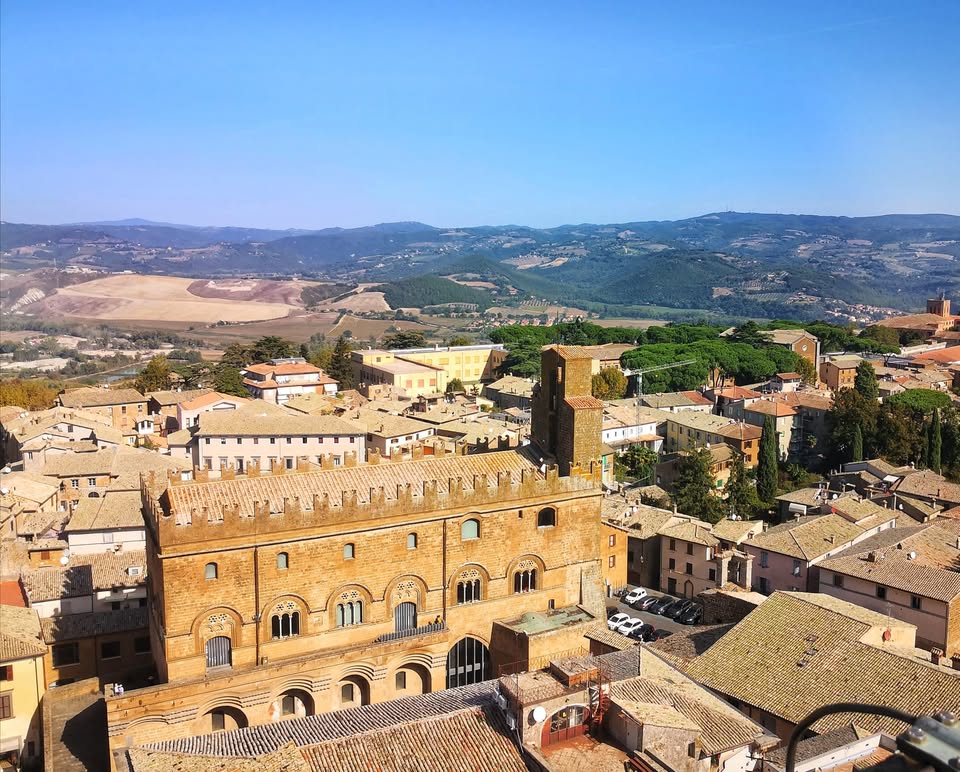
A short distance away on Via della Costituente stands the Torre del Moro, one of the city’s best viewpoints. For €3.80, visitors can take the elevator partway up and then climb 170 steps (240 from ground level) to the top — where a magnificent panorama of Orvieto and its surroundings awaits.
Orvieto Cathedral (Duomo di Orvieto)
Continue along Via del Duomo to reach Orvieto’s crown jewel: the Cathedral of Santa Maria Assunta. This Gothic masterpiece dazzles with its gold and blue façade, intricate bas-reliefs, and vivid mosaics depicting scenes from Creation to the Last Judgment.
Inside, don’t miss the Chapel of San Brizio, adorned with breathtaking frescoes, and the Madonna cycle in the nave.
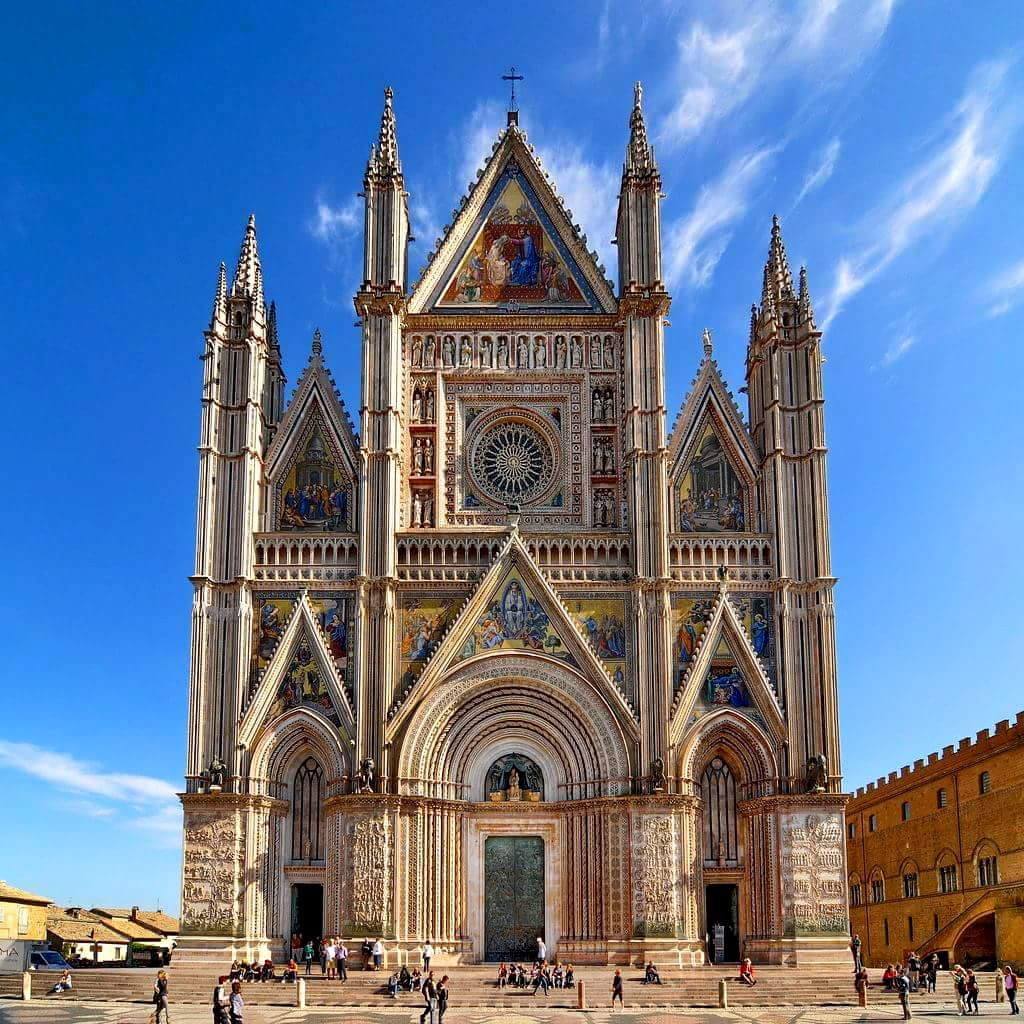
The entrance fee is €5, which also includes access to the Museo Emilio Greco and Palazzi Papali.
You can also join the “Orvieto Underground” guided tour to explore the city’s fascinating subterranean tunnels carved into the tuff rock.
End your day strolling through Piazza della Repubblica, where the Church of Sant’Andrea stands, or venture into the medieval quarter, where narrow alleys, arches, and courtyards reveal the city’s ancient charm. The highlight here is the Pozzo della Cava, a winding descent into Orvieto’s underground world.
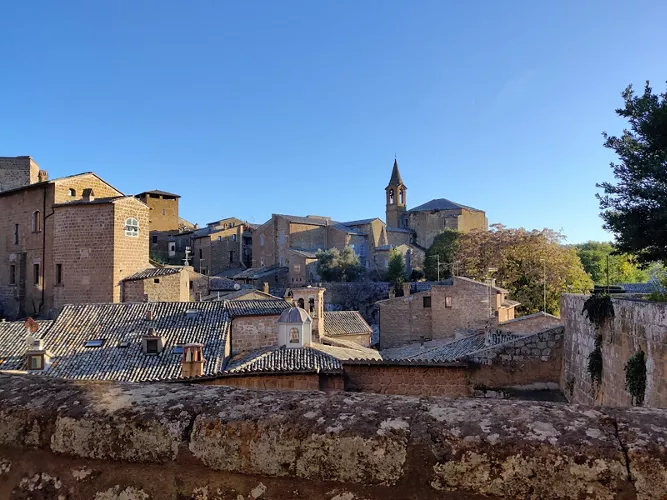
If you have a second day in Orvieto, take the opportunity to visit nearby gems.
In the city:
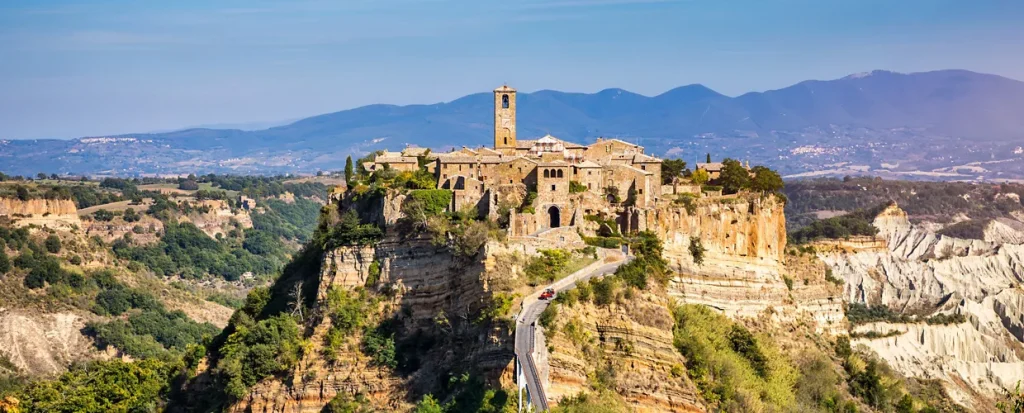
Nearby destinations:
What to Eat in Orvieto
Orvieto’s cuisine is a delight for food lovers.
Try the umbricelli, a handmade pasta made with flour and water, typically served with rich meat or vegetable sauces. Other local specialties include pollo alla cacciatora (hunter’s chicken), palombo alla leccarda (dogfish with tomato sauce), and dishes featuring mushrooms, often served with pappardelle. Don’t miss the local cheeses and cured meats, paired perfectly with the renowned Orvieto Classico white wine.
Plan your itinerary carefully to make the most of your time and soak in the beauty of this unforgettable city.
Buon viaggio — Orvieto awaits you!
Photo credits:

There is a sound that never fades. Not the kind that dissolves into the air, but that of bronze bell...

In small, middle-class Milan, near the Villaggio dei Giornalisti, temporary housing units were built...

We are in the early 1960s. On one side there is Enzo Ferrari, the "Drake", absolute monarch of the a...

From April 13 to 16, 2026, the Bologna Children’s Book Fair returns for its 63rd edition. Once again...

In 1291, Doge Pietro Gradenigo signed a decree that would forever change the history of European cra...

Tornano sabato 21 e domenica 22 marzo le Giornate FAI di Primavera, il più grande evento di pia...
Rivista online registrata al Tribunale di Napoli n. 43 del 23/03/2022
Direttore: Lorenzo Crea
Editore: Visio Adv di Alessandro Scarfiglieri
Insight italia srl (concessionario esclusivo)
Rivista online registrata al Tribunale di Napoli n. 43 del 23/03/2022
Direttore: Lorenzo Crea
Editore: Visio Adv di Alessandro Scarfiglieri
Insight italia srl (concessionario esclusivo)
