
Rivista online registrata al Tribunale di Napoli n. 43 del 23/03/2022
Direttore: Lorenzo Crea
Editore: Visio Adv di Alessandro Scarfiglieri
Insight italia srl (concessionario esclusivo)
Rivista online registrata al Tribunale di Napoli n. 43 del 23/03/2022
Direttore: Lorenzo Crea
Editore: Visio Adv di Alessandro Scarfiglieri
Insight italia srl (concessionario esclusivo)
Increasingly rarely does civil society remember the anniversary of March 17. This anniversary commemorates the Unification of Italy: the act that constitutes our national identity…
By Giansalvo Pio Fortunato · March 17, 2026 · ≈ 4 min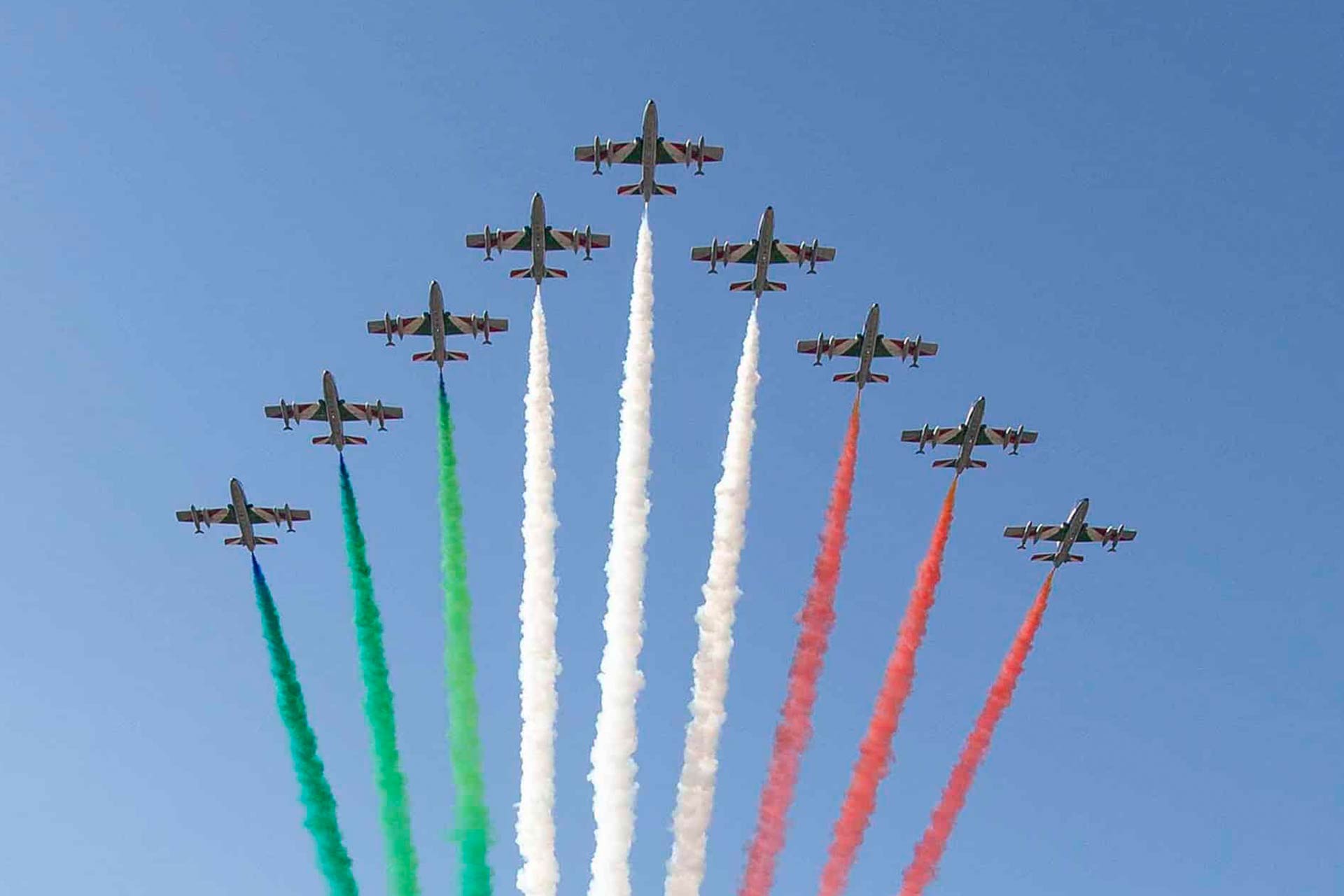
By Giansalvo Pio Fortunato · March 17, 2026 · ≈ 4 min
Increasingly rarely does civil society remember the anniversary of March 17. This anniversary commemorates the Unification of Italy: the act that constitutes our national identity and also the formal moment in which all the drives for independence and self-determination of the once divided Italian people ultimately found legitimacy.
More specifically, on March 17, 1861, the official and constitutional proclamation of the newly formed Kingdom of Italy took place, recognizing before Parliament the sovereignty of Victor Emmanuel II no longer limited to the Kingdom of Sardinia, but extending it to the entire Peninsula—almost.
Some “unredeemed” lands would still remain: the Papal States, which would be annexed in September 1870 with the famous “Breach of Porta Pia,” and the Triveneto, whose complete annexation would occur at the end of the First World War.
As mentioned at the outset, the date of March 17, definitively institutionalized in 1911, has undergone a slow and inexorable decline, which has nearly led the collective community to completely forget such a crucial historical step. So much so that, when asked what the most important anniversary in Italy’s young historical path is, the answer—without hesitation—is now June 2.
The reasons are certainly varied and should be briefly analyzed in order to understand, from today’s perspective, the current state of our country.
First and foremost, the current governmental—and therefore socio-political—form of our State plays a role. The Italian Republic was born from a deliberate choice to move from the monarchical system of the former Kingdom of Italy to a parliamentary republic. Thus, although the full realization of national self-determination is central, it was initially established within a monarchical framework, against which the current Republic later emerged.
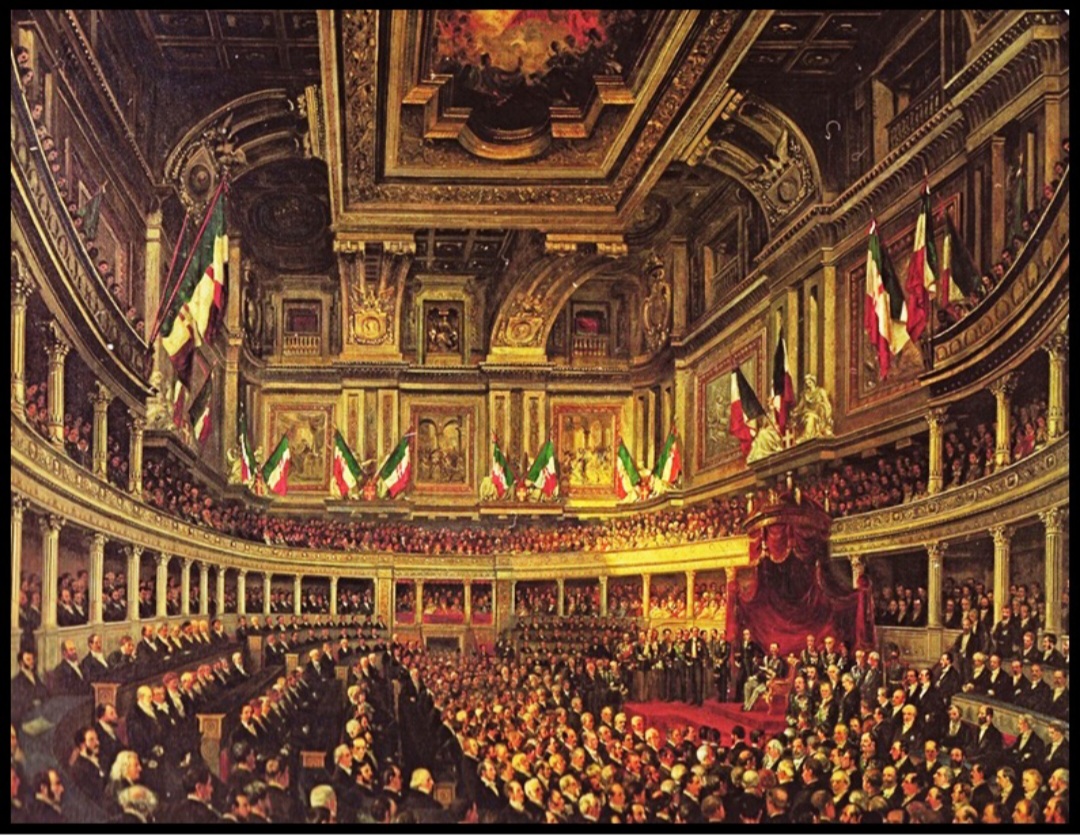
Alongside this socio-political reason, there has also been a somewhat crude current over time that has fostered dissatisfaction toward unified Italy. This is a kind of discontent that I do not intend to justify, especially since it is based on fundamental flaws and a sort of partisan fervor that does no good to history or collective memory. The well-known “Southern Question,” originally a historical, sociological, and ideological analysis of real disparities in the pace of development in Southern Italy, has by now become an ignorant weapon of a certain anachronistic pro-Bourbon sentiment. Likewise, a form of political-economic revisionism, driven by widespread populism, continues even today to test Italy’s social and civic unity.
A different ideological substratum also contributes to a divergence in attitudes toward the Unification of Italy. Italy is finally an independent country. This fact, when viewed through the lens of commemorating an anniversary as an act of remembrance, does not necessarily favor the direct relevance of Unification. Before the tragic Fascist period, the Unification of Italy served as a symbolic reminder of Italianness: every citizen was called upon to defend internal political autonomy, language, culture, beliefs, and ideologies as guarantees of a vital state. Italy, in other words, had to be protected from external and foreign threats, and the highest form of collective identity lay in recognizing those fundamental and irrepressible traits that united citizens under a single flag. Even the highest form of struggle for liberation was constantly directed toward protecting the national body from external threats.
However, Fascist totalitarianism marked a shift in paradigm: the threat to freedom and to the highest aspirations of emancipation did not come from outside, but from within the very structure of that state and communal unity that had been considered a guarantee of Italy’s vitality. The threat, in other words, was entirely endogenous, completely fracturing the country. At a time when it was believed that restrictions on social and political action could only come from outside, the entire national community was instead placed in jeopardy—also following the handover of central-northern Italy to the Nazis and the establishment of the Republic of Salò.
Thus, remembrance is anti-fascist and anti-totalitarian. It concerns the need to preserve intact the stability of freedom, cooperation, and Italy’s internal cultural life. Italy, therefore, has found itself—and still finds itself—in the position of having to guarantee, before even being united and self-determined, the space of freedom and democracy for each citizen; of having to prevent its own internal communal dissolution.
Faced with such a scenario, one may ask what sense it makes today to remember the Unification of Italy.
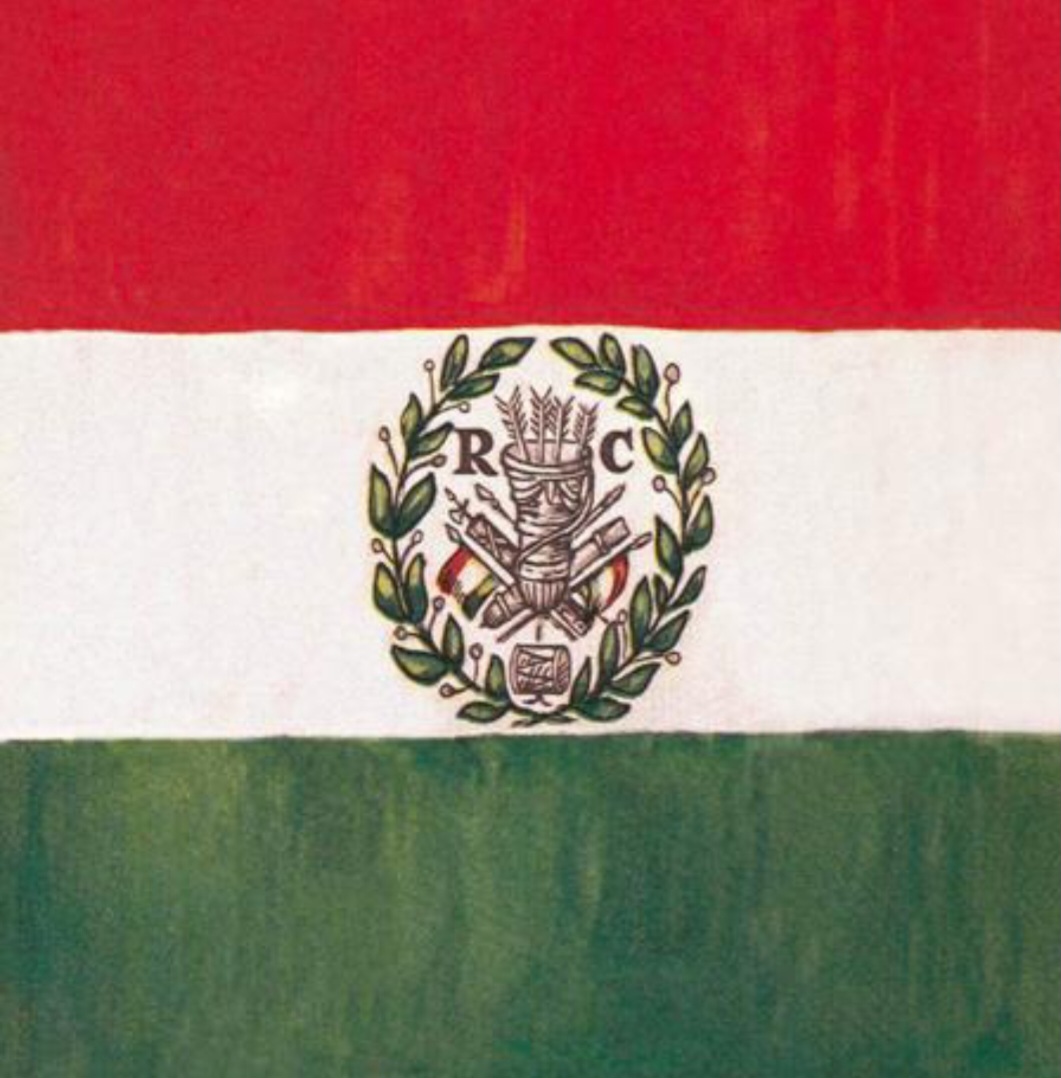
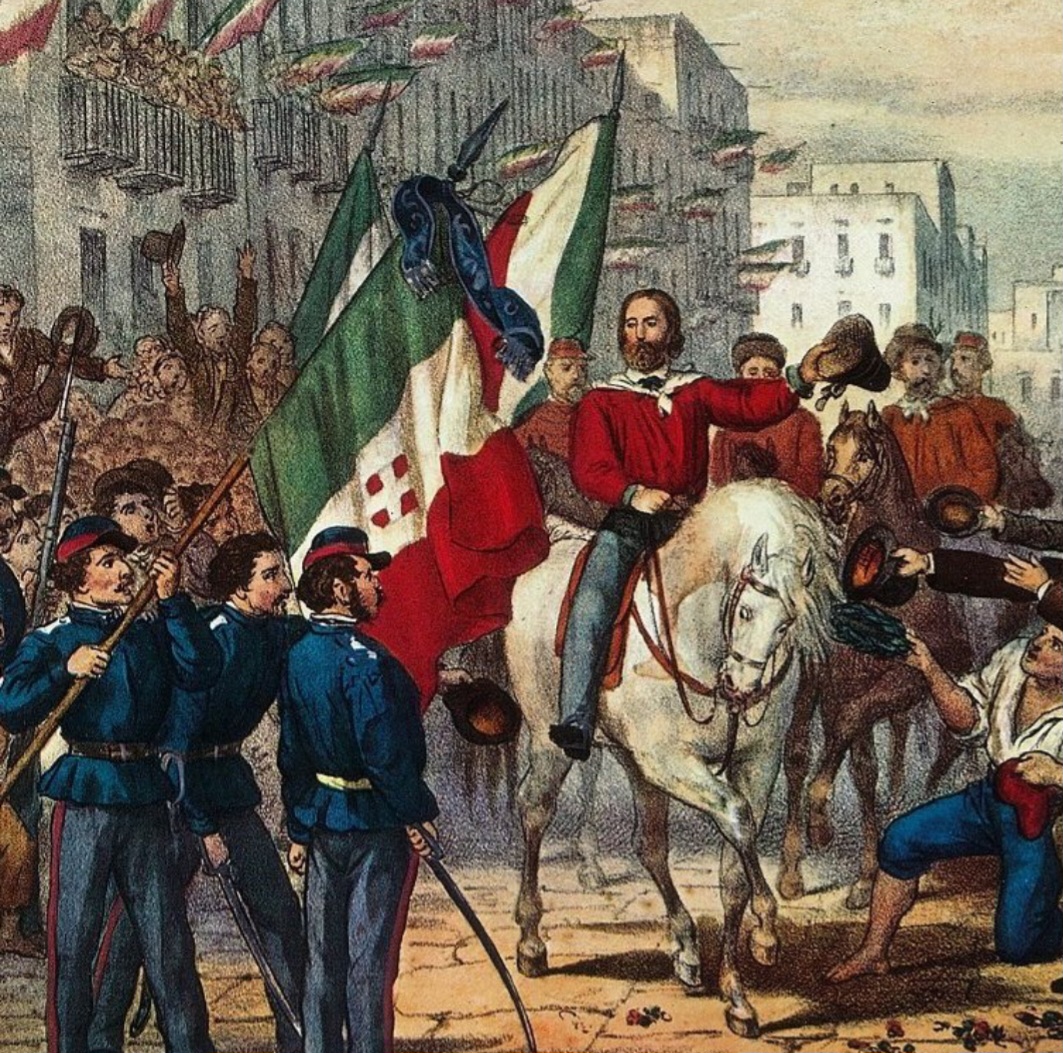
It is not simplistic to argue, first of all, that our current Republic would not exist without it. It would not exist in practical terms: only through the struggle of volunteers and Garibaldi’s followers can we recognize ourselves today as one people and one community. The earliest great ideological and political achievements were formed precisely thanks to the ideals of freedom, equality, and civil and social justice that inspired Unification. Nor would it exist symbolically: the Tricolour, the true essence of our State, was born during the Risorgimento and with Unification; likewise, the National Anthem originated during the Risorgimento as an irrepressible voice of freedom and a conscious stance against the usurpation of foreign powers and in favor of achieving the highest possible rights.
But the Unification of Italy above all entrusts us with duties: to protect and keep political participation alive as a sign of citizens who recognize themselves as essential to the life of the Nation; to actively respond to all forms of violation of the authentic principles of our democracy and of basic human dignity; to constantly demand respect for institutions as representative bodies and, at the same time, from institutions as the true determining force of the State; to fight against every form of authoritarianism; and to oppose every war that seeks to eliminate the possibility of existence of other states.
