
Autore: Giansalvo Pio Fortunato • 11/11/2025 17:54
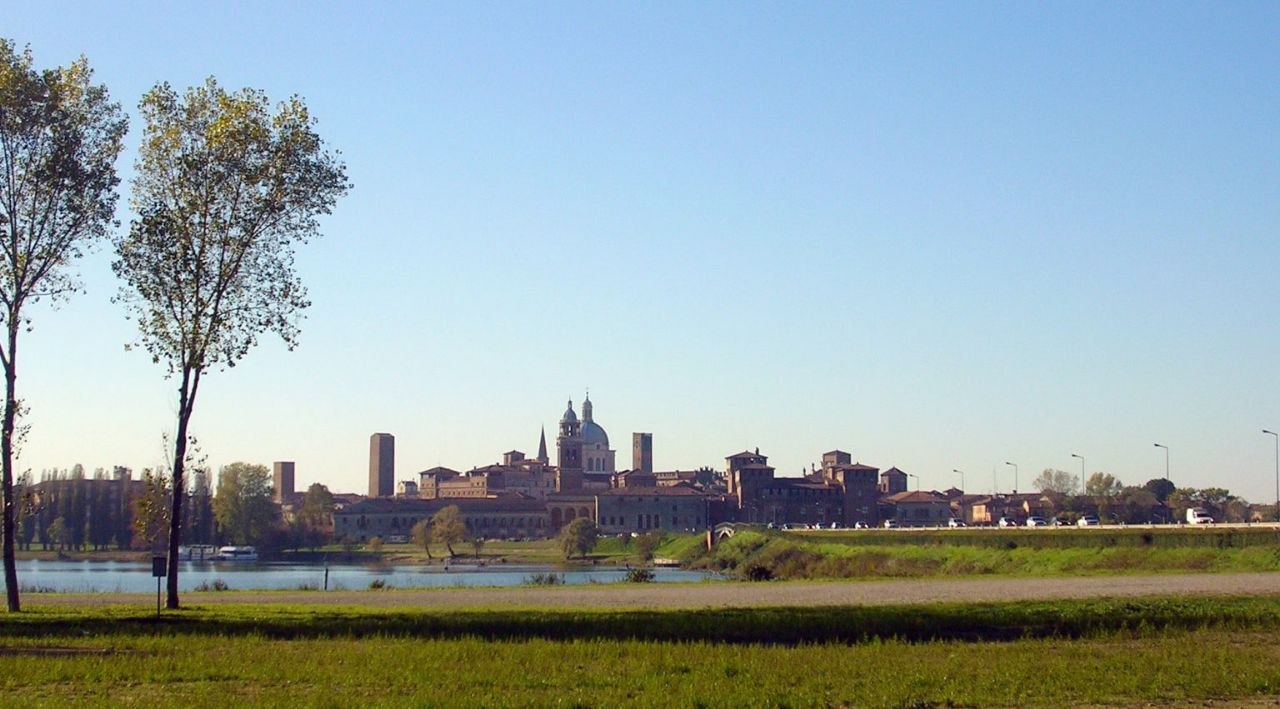
Mantua, the city of the Gonzaga, rises majestically from the Po Valley, embraced by the mirror-like waters of its three lakes. A UNESCO World Heritage Site, along with nearby Sabbioneta, it is a jewel of Renaissance elegance that seems to have emerged from a painting. A 48-hour visit to Mantua is a total immersion into a world of courtly life, where art, history, and fine cuisine blend into an unforgettable experience.
This itinerary is designed for those who wish to capture the essence of the city without missing its absolute masterpieces, complete with advice on where to eat, what to see, and how to get around. Prepare to fall in love with one of the most refined capitals of the Italian Renaissance.
Mantua: The Gonzaga's Pearl
Before we dive into the itinerary, a brief introduction is essential. Mantua owes its splendour to the Gonzaga family, who ruled it for almost four centuries (1328-1707). Under their lordship, the city became one of the most important cultural and artistic centres in Europe, attracting artists of the calibre of Andrea Mantegna, Leon Battista Alberti and Giulio Romano. Its historic centre, enclosed by water, retains its aristocratic charm intact. The city is compact and perfect for exploring on foot, offering breathtaking views at every turn.
Day 1: The Renaissance Heart and the Splendours of Palazzo Te
Morning: The Historic Centre and the Giants of Piazza Sordello
Begin your Mantuan immersion in Piazza Sordello, the city's noble drawing room. This long, cobbled square, once the heart of medieval power, is framed by ancient palaces and immediately introduces you to Mantua's majestic atmosphere.
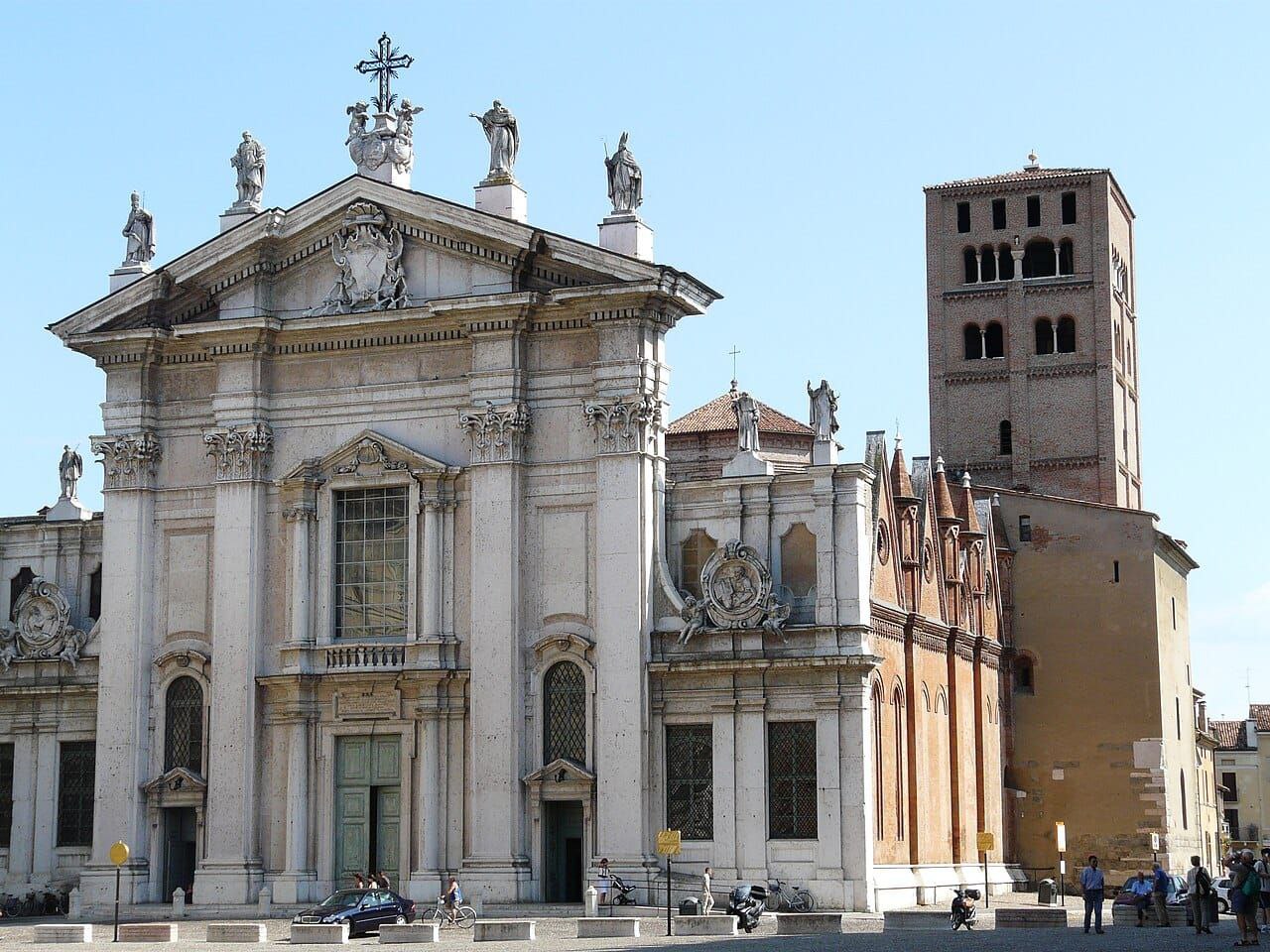
Mantua Cathedral (Duomo di San Pietro): Facing the square, the Cathedral strikes with its somewhat heterogeneous facade. But it is the interior that will leave you speechless: its renovation was entrusted to Giulio Romano, who created a spectacular space inspired by St. Peter's Basilica in the Vatican. The side aisles are higher than the central one, creating a unique effect of majesty.
Ducal Palace: This is not just a palace, but a palace-city. It is one of the largest museum complexes in Europe, with over 500 rooms, courtyards, and gardens spread across approximately 34,000 square metres. It was the lavish residence of the Gonzagas. The visit is full of emotions: San Giorgio Castle: The oldest and most fortified part of the complex. Inside lies the absolute masterpiece of Mantuan painting: the Camera degli Sposi (Bridal Chamber) by Andrea Mantegna. The frescoes, completed in 1474, are a triumph of perspective illusion and portraiture. The "court" painted on the walls seems real, and the famous oculus ceiling, with cherubs and clouds, is an invention that set a precedent. Essential advice: booking for the Camera degli Sposi is mandatory and must be done well in advance.
Apartments of Isabella d'Este: Visit the rooms of one of the most learned and influential women of the Renaissance. Here you can admire the Studiolo and the Grotta, where the marchioness kept her extraordinary collection of antiquities and works of art.
Lunch: A Quick Bite
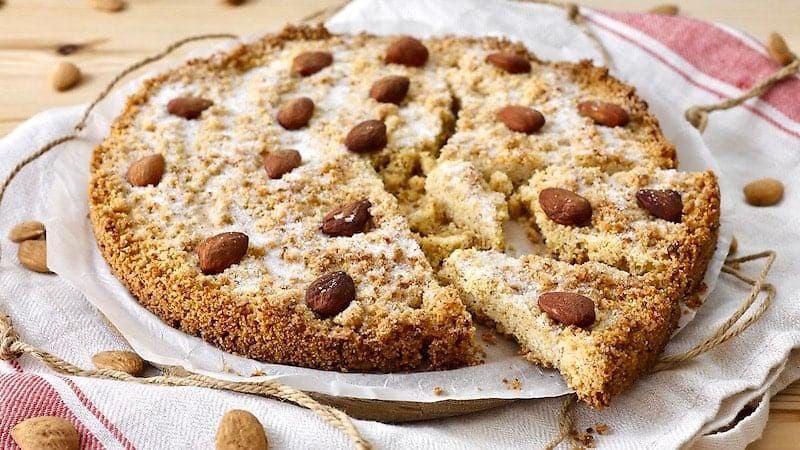
After leaving the Ducal Palace, head to one of the many delicatessens or bakeries in the centre. A slice of sbrisolona (the typical crumbly cake) or a sandwich with Mantuan cured meats like salame mantovano or coppa are perfect for a quick and authentic break.
Afternoon: The Villa of Pleasure, Palazzo Te
After lunch, it's time to dedicate yourself to the other great Gonzaga masterpiece. Reach Palazzo Te (a 15-20 minute walk from the centre or a few minutes by car/bus). This palace, the work of Giulio Romano, was the villa of delight and leisure for Federico II Gonzaga.
The building itself is a masterpiece of elegance and invention. Once you cross the threshold, prepare to be left breathless:
Sala dei Giganti (Hall of the Giants): This is the apotheosis of illusionism. The room is frescoed from the vault to the (now protected) floor with the scene of the Fall of the Giants. The colossal figures, overwhelmed by the fury of Jupiter, seem to crash down upon the viewer in a vortex of bodies, rocks, and clouds. A theatrical and overwhelming effect that is unrivalled.
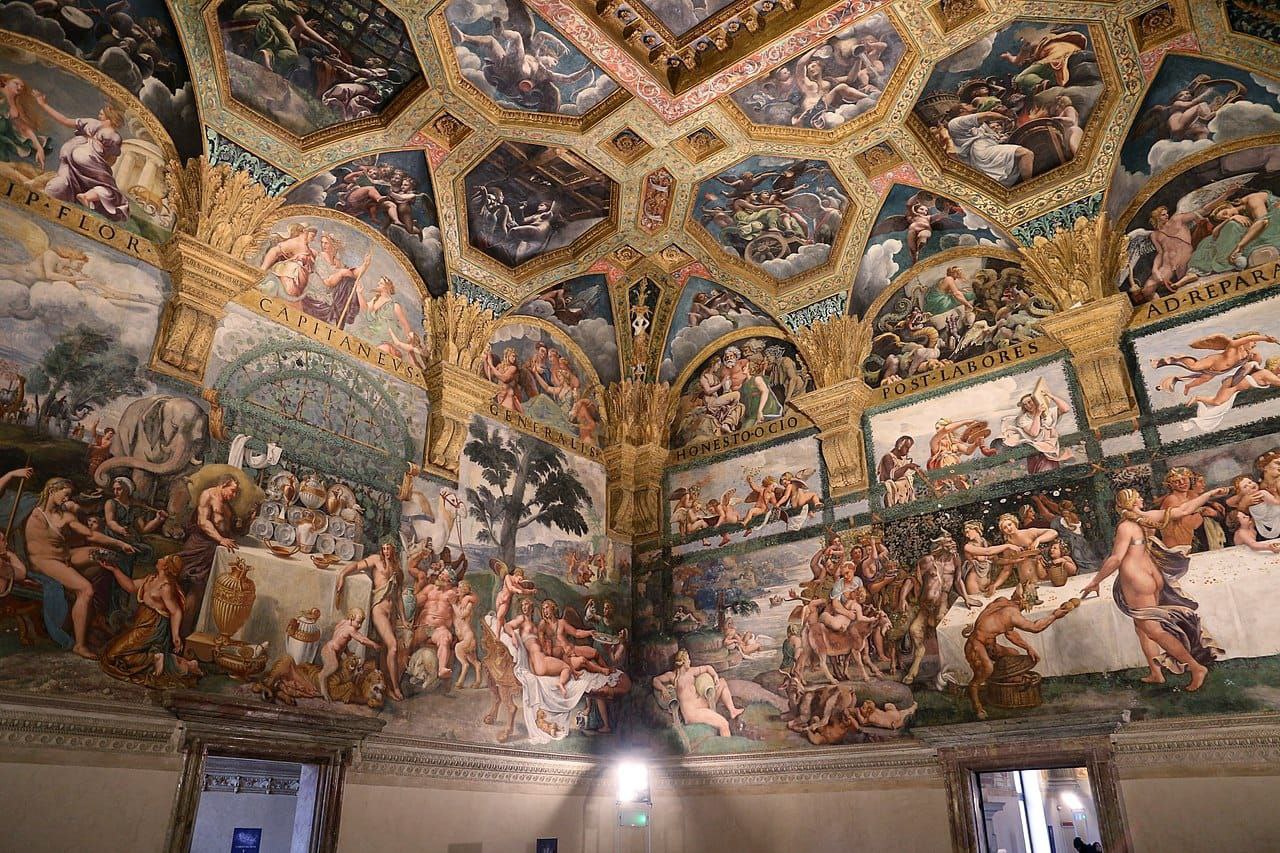
Sala di Amore e Psiche (Hall of Love and Psyche): In stark contrast, this hall celebrates love and the pleasures of life through the myth of Cupid and Psyche. The frescoes are sensual, rich in detail and colour, and tell the story of the wedding of the gods in a riot of mythological figures.
Sala dei Cavalli (Hall of the Horses): A tribute to the steeds beloved by the Gonzagas, portrayed life-size and with hyper-realistic beauty.
The visit to Palazzo Te is a journey into the ingenuity of Giulio Romano and the luxurious, carefree life of the court.
Dinner: The Flavours of the Land and Water
For dinner, seek out a typical trattoria in the historic centre. Mantua has a robust and flavourful cuisine, combining products from the land with those from its lakes.
Starter: Sample Mantuan cured meats or zucca alla mantovana (pumpkin with amaretti biscuits and mostarda).
First Course: Choose between the two great classics: tortelli di zucca (sweet and savoury, with a filling of pumpkin, amaretti, and Grana Padano cheese) or risotto alla pilota (with salamelle da risotto, a fresh salami to be crumbled).
Second Course: Luccio in salsa (pike in sauce, accompanied by the typical polenta sbrisa) or stracotto d'asino (donkey stew).
Dessert: You cannot miss the sbrisolona.
Day 2: Basilicas, Squares and the Magic of the Lakes
Morning: The Basilicas and the Twin Squares
After breakfast, dedicate your morning to discovering the other symbolic places of the city.
Rotonda di San Lorenzo: The oldest church in Mantua, built before the year 1000. Its circular form, inspired by the Holy Sepulchre in Jerusalem, and its secluded, mysterious atmosphere make it a unique place. It is located in Piazza delle Erbe, almost hidden among the palaces.
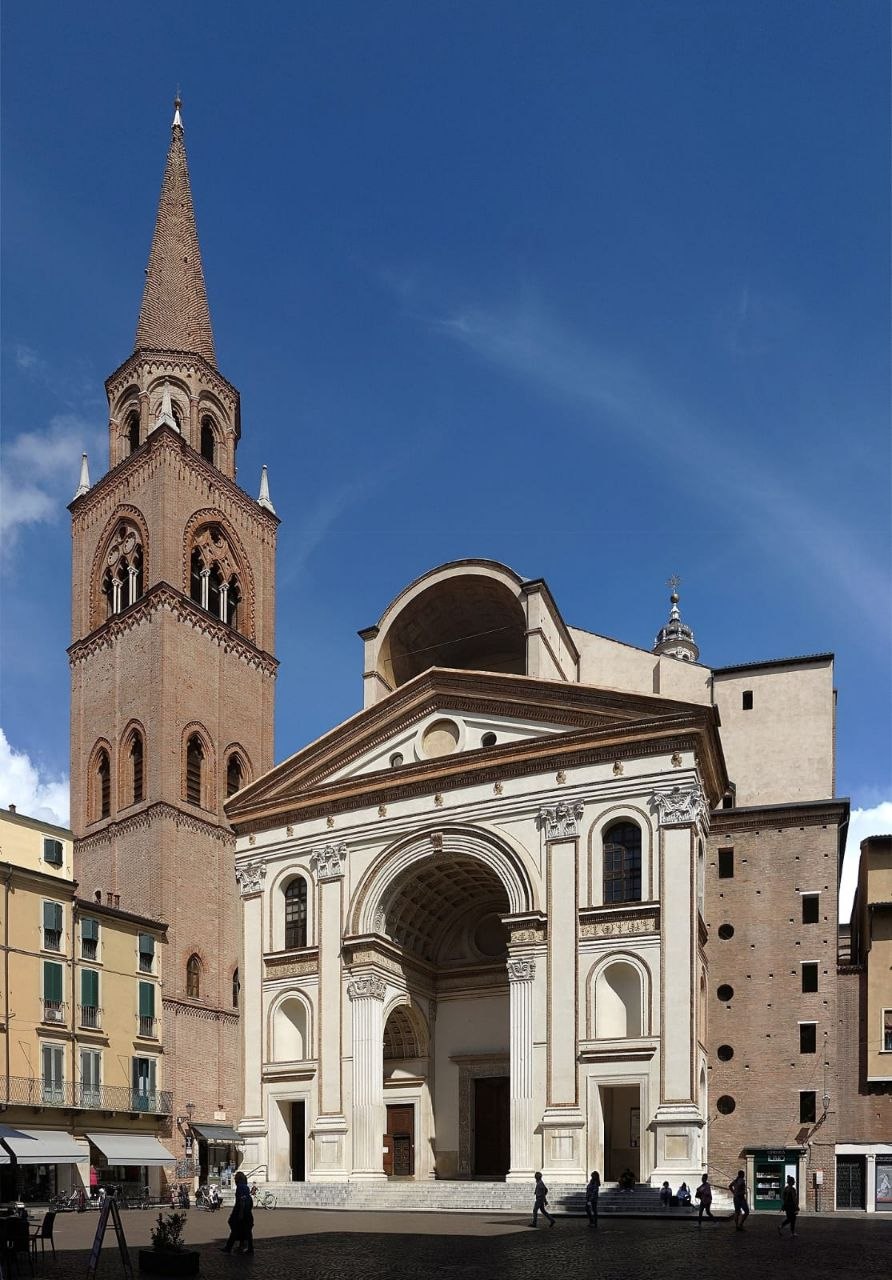
Piazza delle Erbe and Piazza Broletto: These two squares, adjacent to Piazza Sordello, have always been the commercial centre and hub of daily Mantuan life. In Piazza delle Erbe, admire the Rotonda di San Lorenzo, the Torre dell'Orologio (with its ancient astronomical clock) and the Basilica di Sant'Andrea, the masterpiece of Leon Battista Alberti.
Basilica di Sant'Andrea: Step inside and prepare for a surprise. The Albertian facade is a masterpiece of Renaissance balance, but the interior, majestic and solemn, will leave you speechless. Here, the Relics of the Precious Blood of Christ are kept, attracting pilgrims from all over the world. The crypt, with its powerful columns, is equally impressive.
Piazza Broletto is home to the medieval Palazzo del Podestà and the Palazzo della Ragione.
Lunch: A Gastronomic Experience in a Historic Shop
For your second day's lunch, opt for a traditional osteria or a historic bottega. Sample agnolini in brodo (the small meat-filled tortelli typical of Sundays and holidays) or a plate of pasta with donkey ragù.
Afternoon: Relaxation by the Lakes
The afternoon is ideal for exploring the city's green and blue lung: the lakes.
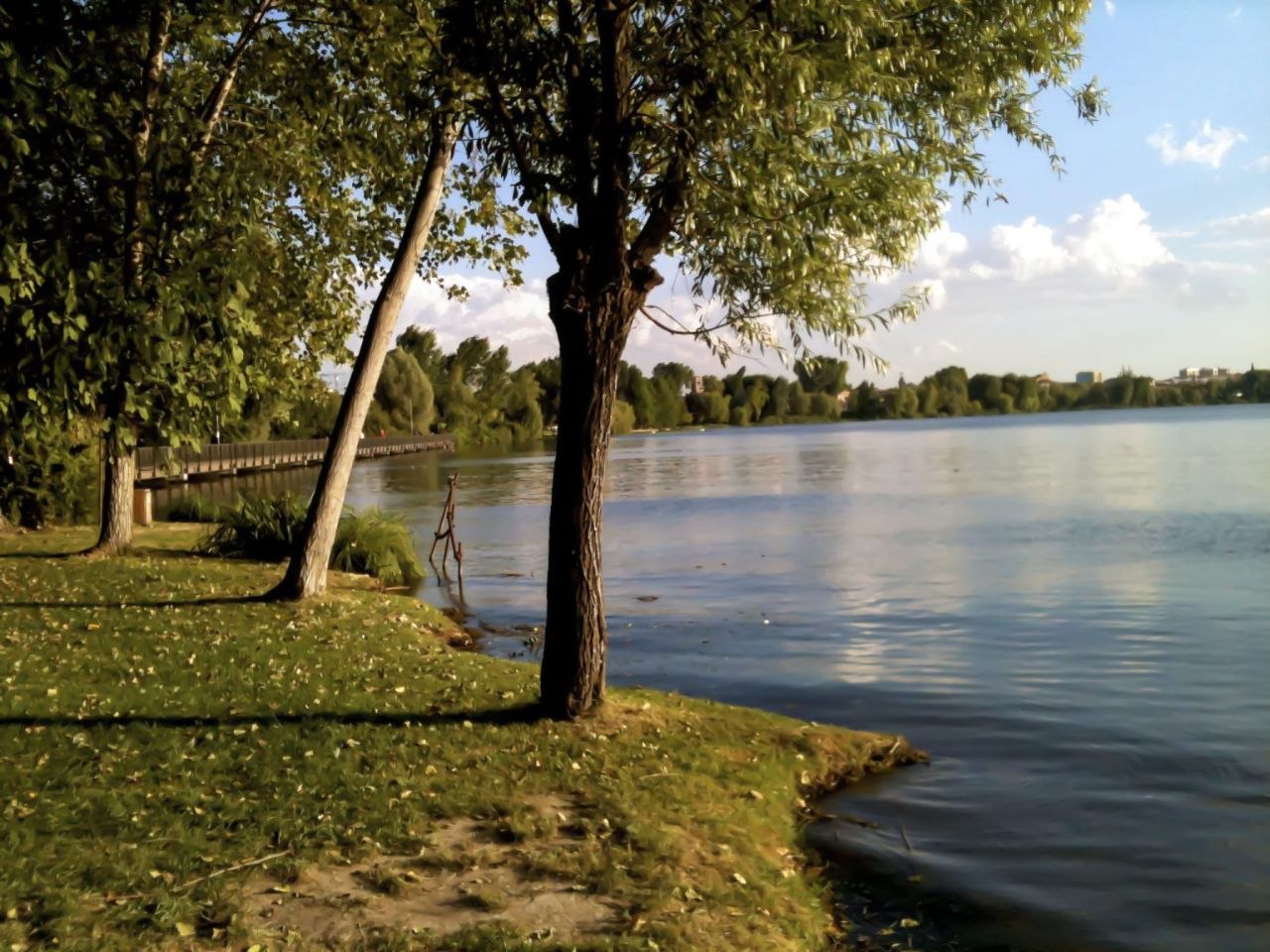
Lakeside Walk: Stroll along the lungolago Gonzaga and the lungolago dei Gonzaga. The view of the Ducal Palace and the city reflected in the water is simply iconic. In the warmer seasons, you can hire a bicycle and cycle around the entire lake perimeter, a relaxing and scenic experience.
Parco della Scienza: If you are travelling with children, this outdoor scientific playground, also along the lake, is an excellent stop.
Dinner: A Farewell to Mantuan Flavours
For your last dinner, be adventurous. Look for a restaurant offering a tasting menu to try as many specialities as possible, or treat yourself to a dinner at an inn with a lake view for a romantic farewell. Order the dish you liked the most again or try the one you missed on the first day.
For more articles, visit the website.

There is a sound that never fades. Not the kind that dissolves into the air, but that of bronze bell...

In small, middle-class Milan, near the Villaggio dei Giornalisti, temporary housing units were built...

We are in the early 1960s. On one side there is Enzo Ferrari, the "Drake", absolute monarch of the a...

From April 13 to 16, 2026, the Bologna Children’s Book Fair returns for its 63rd edition. Once again...

In 1291, Doge Pietro Gradenigo signed a decree that would forever change the history of European cra...

Tornano sabato 21 e domenica 22 marzo le Giornate FAI di Primavera, il più grande evento di pia...
Rivista online registrata al Tribunale di Napoli n. 43 del 23/03/2022
Direttore: Lorenzo Crea
Editore: Visio Adv di Alessandro Scarfiglieri
Insight italia srl (concessionario esclusivo)
Rivista online registrata al Tribunale di Napoli n. 43 del 23/03/2022
Direttore: Lorenzo Crea
Editore: Visio Adv di Alessandro Scarfiglieri
Insight italia srl (concessionario esclusivo)
