

Fano: new findings from excavations at the Basilica of Vitruvius
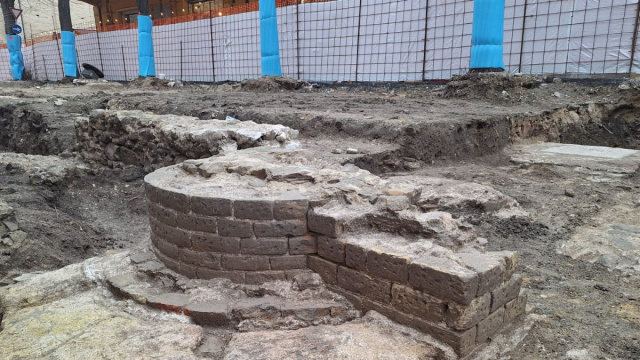
Archaeological investigations in Piazza Andrea Costa, Fano, continue to reveal features attributable to the Basilica described by Vitruvius. Recent fieldwork has identified wall structures, sections of perimeter foundation and previously unknown paving fragments, providing fresh evidence for interpreting the monument.
Key discoveries
The current phase of excavation produced several notable elements that shed light on the building layout and construction techniques typical of the Augustan period:
- Perimeter foundation built in opera vittata, consistent with techniques of the era;
- Paving fragments likely part of an original stone floor not previously documented;
- Aligned sandstone columns confirming earlier finds and helping to reconstruct the monument's plan.
Project framework and management
The works are part of a PNRR-funded initiative and are carried out in partnership between the Municipality of Fano and the Superintendency for Archaeology, Fine Arts and Landscape for the provinces of Ancona and Pesaro-Urbino. A memorandum of understanding signed on 2026-04-02 regulates the continuation of excavations, site safety and governance, and a coordination body has been established to manage operations.
Outlook for public access
These findings represent a significant advance toward defining the structural and functional aspects of the Vitruvian complex. Once research is complete and the area secured, the site could be adapted for public enjoyment and cultural use, enhancing Fano's architectural heritage.
What visitors and residents can expect
- Improved understanding of local archaeological heritage and Roman building techniques;
- Potential future visitor routes and publicly accessible areas;
- Cultural promotion and tourism opportunities tied to the rediscovery of the Vitruvian basilica.
Where it is
Location: Piazza Andrea Costa, 61032 Fano PU, Italia
Coordinates: 43.8446073, 13.0171889