
Autore: Michele Spinelli • 10/04/2026 12:16
Castelfidardo is not just a town in the Marche region, nestled between rolling hills and the Adriatic Sea. It is a place where an ancient craft has found its most authentic voice: the accordion, an instrument that carries not only musical notes but also centuries of history, toil, and artisanal pride. Here, in the narrow streets and workshops filled with the scent of aged wood, tradition is not a memory but a living practice, passed down from father to son, from craftsman to craftsman. The accordion of Castelfidardo is more than an instrument: it is a symbol of how an entire community can transform necessity into excellence, economic need into a cultural heritage.
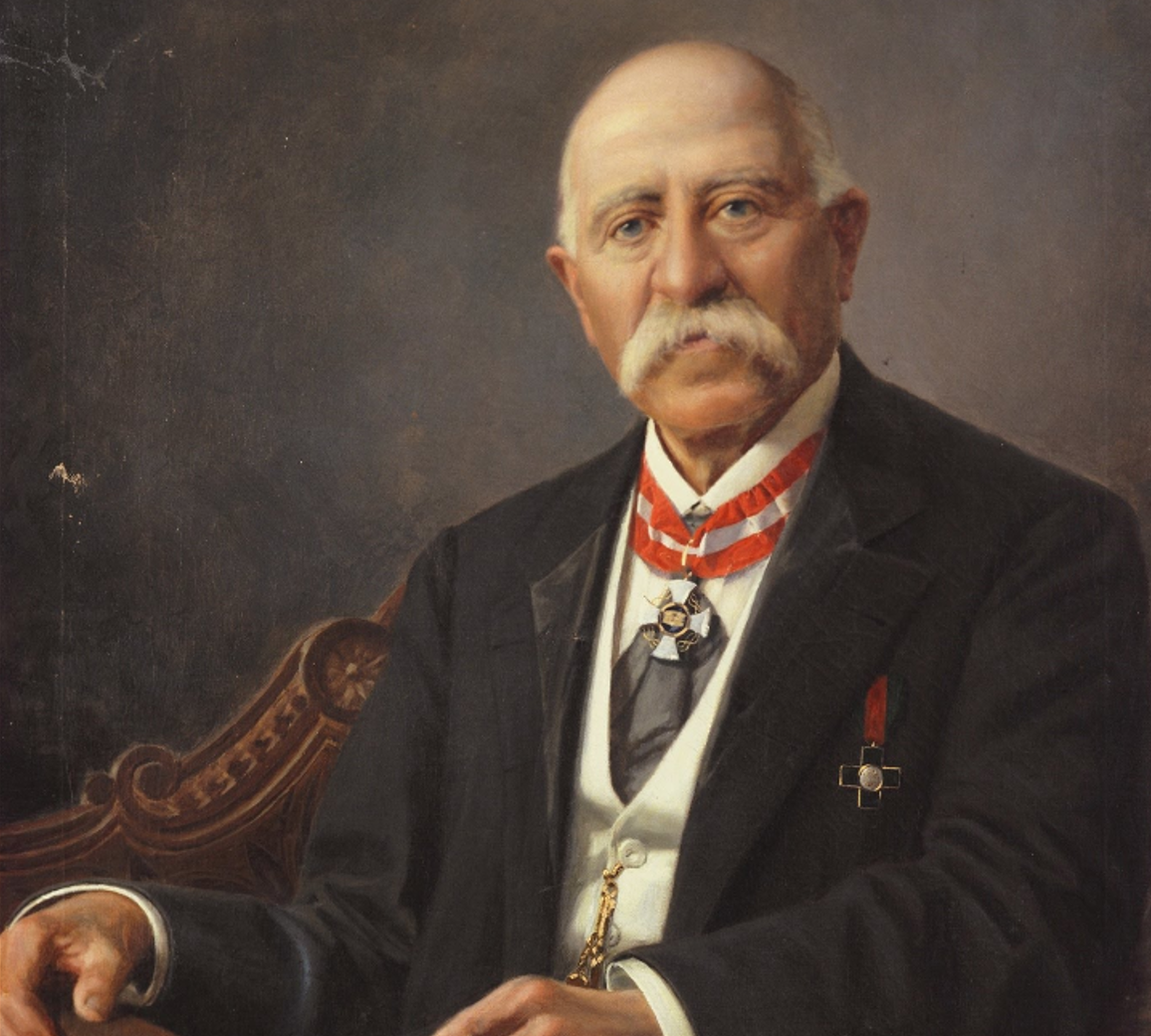
In 1863, in a farmhouse in the Marche countryside, a young peasant named Paolo Soprani could never have imagined that he would forever change the face of his homeland. The son of farmers, Soprani had a dream: to build an instrument that could bring joy and leisure to a newly unified Italy, still scarred by poverty and the hardships of the fields. With the help of an Austrian pilgrim returning from Loreto, Soprani developed the first models of the accordion, utilising the manual skills of peasantry and his own woodworking expertise. That simple act—transforming wood into a musical instrument—marked the beginning of a revolution. Castelfidardo, until then just a modest cluster of houses, became in a few short years the heart of an industry that would conquer the world. No longer just a land of olive trees and wheat, but of reeds, leather, and harmonies.
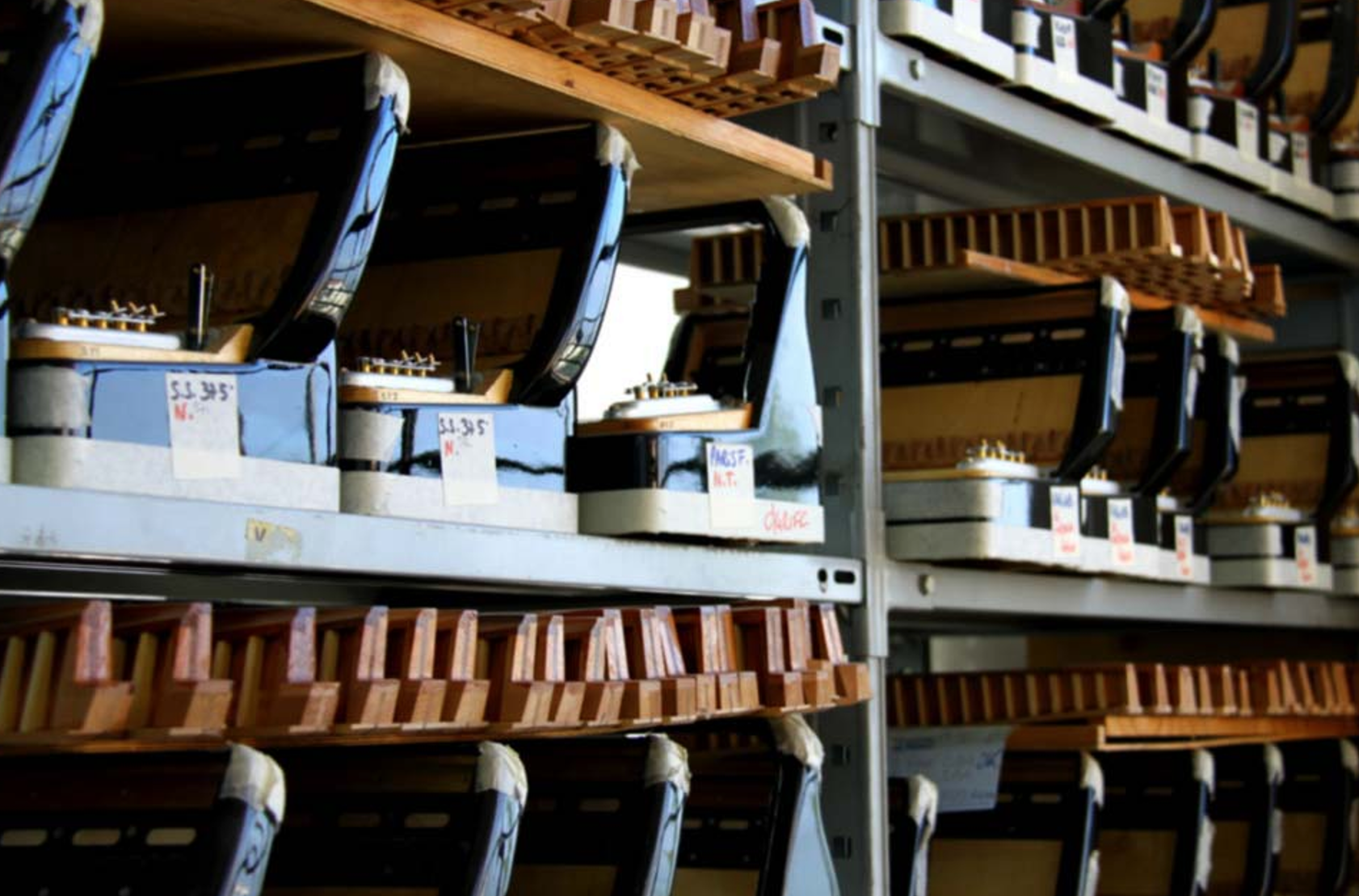
Entering a workshop in Castelfidardo means breathing in a unique atmosphere. The air is filled with the scent of wood cut at just the right moment, aged for years in dry, well-ventilated spaces. The reeds—small metal strips that vibrate as air passes over them—are meticulously tuned, one by one, to ensure a clean, balanced sound. The leather, used to cover the bellows, is treated with natural oils to give it flexibility and durability. Every accordion is a unique piece, crafted from carefully selected materials: maple for the keyboard, fir for the bellows, poplar for the soundboard. The wood must be dry, knot-free, capable of vibrating under the touch of the craftsman’s hands and, later, the breath of the musician. The process is a succession of measured gestures: precise drilling, perfect joints, reeds tested for their tonal purity. There is no room for improvisation. Every step follows rules passed down through generations, like a family secret. And yet, despite the precision, there is a moment when the instrument "comes to life": when the bellows are fitted, and for the first time, the full, harmonious sound fills the room. It is then that the craftsman knows he has created something more than an object—a companion of sounds, an extension of his own hands.
After the Second World War, Castelfidardo experienced a second renaissance. Between 1946 and 1948, dozens of workshops opened their doors, each with its own speciality: some dedicated to free bass, others refining the "cassotto" system—a device that gives the instrument its distinctive, enveloping sound—while others introduced design innovations without ever betraying the artisanal soul. The district organised itself like a vast collective workshop, where skills intertwined and ideas flowed freely. It was not uncommon to see craftsmen, after a day’s work, gathering to play together, exchanging techniques and solutions, celebrating the music that would bring fortune to their town. Castelfidardo thus became a magnet for musicians and collectors from every corner of the world. The accordions produced here were no longer mere instruments: they were works of art, capable of competing with German and French models and asserting themselves as a symbol of Italian excellence. A town of a few thousand inhabitants had conquered a global market, never losing the artisanal soul that had given it life.
Walking through the streets of Castelfidardo means encountering tangible traces of the deep bond between the town and the accordion. On the lower ground floor of the town hall, for instance, lies the International Accordion Museum: a place where the instrument’s history comes alive, among 19th-century accordions, unique hand-carved models, documents, and photographs that bear witness to the district’s rise. But the true magic happens outdoors, during local fairs. Every summer, the town comes alive with impromptu concerts, workshops for children, and demonstrations of accordion-making. Here, one realises how the instrument is not just a product but a symbol of collective identity. The musicians playing in the streets, the workshops proudly displaying their work, the tourists stopping to listen in rapture—all contribute to an atmosphere where the sound of the accordion becomes part of everyday life.
If Castelfidardo has become the world capital of the accordion, it owes this to the ability of its craftsmen to adapt to the times without betraying their roots. From the very beginning, they understood how to meet the demands of international musicians, introducing technical and stylistic innovations without ever losing sight of quality. Today, Castelfidardo’s accordions are exported across Europe, America, and Asia, where they are prized for their sound quality, durability, and uniqueness. Some companies have forged collaborations with world-famous musicians, creating custom models that become true works of art. Take, for example, the "cassotto" models, whose distinctive, enveloping sound has won over orchestras and soloists worldwide. Castelfidardo is not just a production site: it is a laboratory of ideas where past and future meet to give life to an instrument that continues to inspire and enchant.
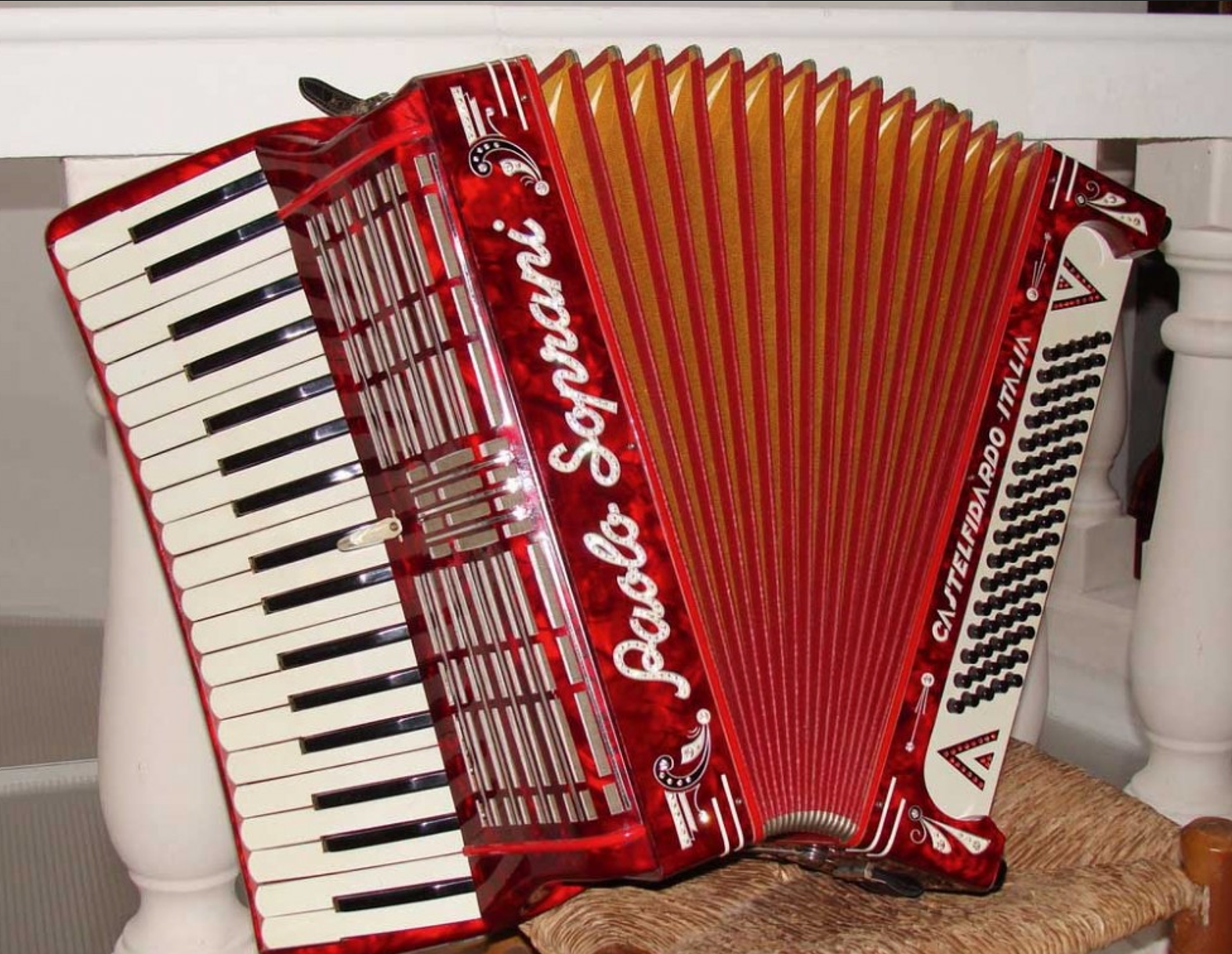
And yet, even in Castelfidardo, the challenge of the future is real and urgent. Younger craftsmen are increasingly rare, and the craft demands years of apprenticeship, patience, and dedication. Companies are organising to train new generations, often collaborating with music schools and conservatories. But the real danger is not just the lack of skilled hands. It is the temptation to resort to mass production, to sacrifice quality for quantity, to lose sight of what has made this tradition great: its uniqueness. And yet, there are still those who believe that a Castelfidardo accordion must, above all, be a masterpiece. Because the true secret of Castelfidardo does not lie merely in having created an instrument, but in having preserved, in the silence of the workshops and the hum of the fairs, the art of crafting harmonies. An art that, as long as there are hands willing to work the wood and shape the reeds, will continue to resonate, generation after generation, carrying the voice of an entire town.
Credit photos: riviera del conero, Museo della fisarmonica

Castelfidardo is not just a town in the Marche region, nestled between rolling hills and the Adriati...

The 103rd Arena di Verona Opera Festival lights up summer 2026 with great voices, stars, and unforge...

There are places in the world where the history of a territory coincides so deeply with that of a ma...

Renato Zero, icona del pop italiano, torna sui palchi dei palazzetti italiani con L’Orazero in Tour ...

The Christmas holiday season is fast approaching, and this year, once again, it promises to be a tim...

This Saturday, November 15, at 7:00 PM, Cinema Barberini in Rome will host a very special event: the...
Rivista online registrata al Tribunale di Napoli n. 43 del 23/03/2022
Direttore: Lorenzo Crea
Editore: Visio Adv di Alessandro Scarfiglieri
Insight italia srl (concessionario esclusivo)
Rivista online registrata al Tribunale di Napoli n. 43 del 23/03/2022
Direttore: Lorenzo Crea
Editore: Visio Adv di Alessandro Scarfiglieri
Insight italia srl (concessionario esclusivo)
