
Autore: Redazione • 12/04/2026 10:07
The recent discovery of the Vitruvius Basilica remains in Piazza Andrea Costa, Fano, has sparked a discussion on how archaeological work should interact with the existing urban landscape. Local residents ask that the distinctive rows of linden trees be preserved alongside the archaeological remains.
Local committees argue that urban archaeology must engage with the present: trees are not mere obstacles to remove but structural elements of the landscape with historical, climatic and perceptual value. In summer, the linden canopies create a covered-square effect that roughly matches the reconstructed volume of the ancient basilica.
This strategy aims to bridge heritage protection and contemporary urban life, proposing a model where memory, daily life and environmental sustainability coexist. For site managers and visitors, an integrated archaeological park can add interpretative value and improve the quality of the urban environment.
Practical note: the report and public debate were recorded on 2026-04-12. Ongoing updates on field surveys and technical decisions concerning the excavations will be relevant for those monitoring local archaeological conservation and enhancement projects.
Location: Piazza Andrea Costa, 61032 Fano PU, Italia
Coordinates: 43.8446073, 13.0171889
Casa Artusi and Italian Cuisine as UNESCO Intangible Heritage: a centre for tradition On 12 April 20...

Festa degli Antichi Borghi in Valtellina: overview When: 25–26 April 2026 On the Retic side of Valte...

Zandomeneghi: the Italian path to Impressionism Palazzo Roverella, Rovigo presents an exhibition tha...

Luca Capuano — "Of ferns, beeches, dunes" From 11 to 26 April 2026 the Complesso Monumentale della P...

San Casciano Medieval Carnival — what to expect The historic center of San Casciano in Val di Pesa h...
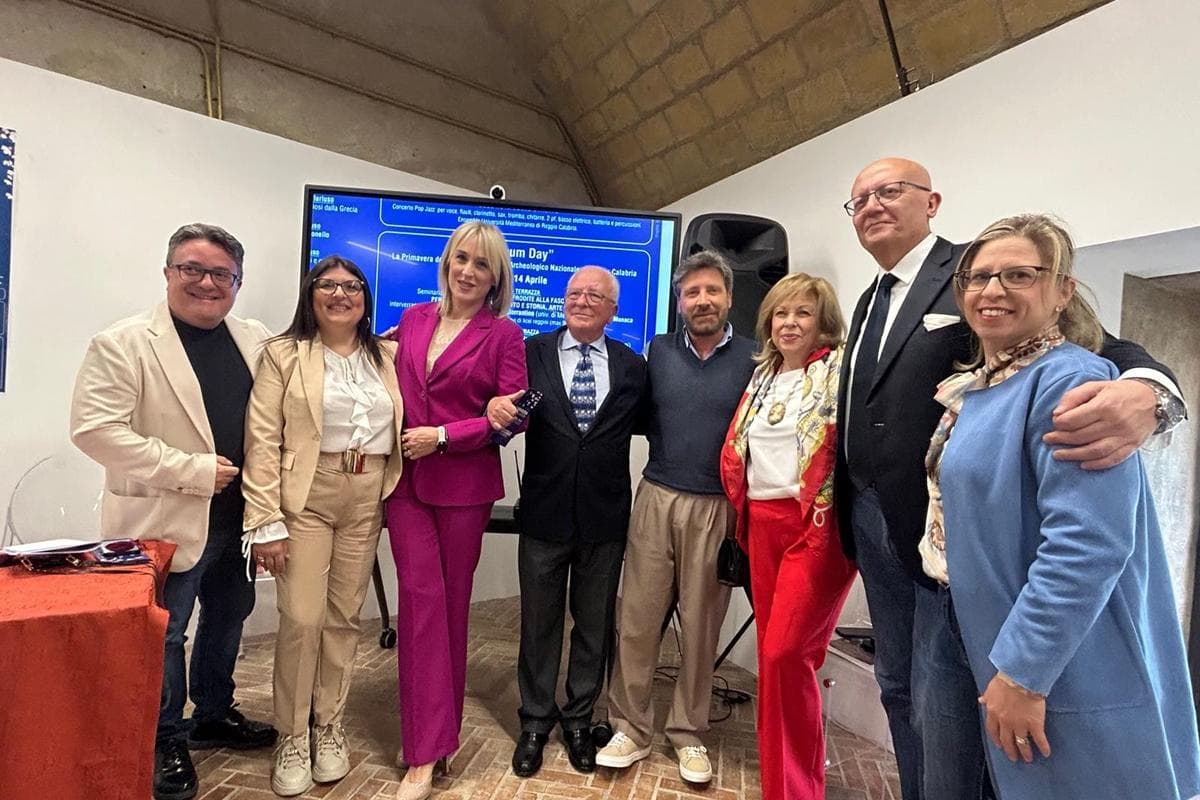
"Primavera della Bellezza": third edition opens in Reggio Calabria The city came alive on April 11 w...
Rivista online registrata al Tribunale di Napoli n. 43 del 23/03/2022
Direttore: Lorenzo Crea
Editore: Visio Adv di Alessandro Scarfiglieri
Insight italia srl (concessionario esclusivo)
Rivista online registrata al Tribunale di Napoli n. 43 del 23/03/2022
Direttore: Lorenzo Crea
Editore: Visio Adv di Alessandro Scarfiglieri
Insight italia srl (concessionario esclusivo)
