
Autore: Redazione • 15/04/2026 19:55
Italy is home to some of the world's best-known archaeological zones: the Colosseum with the Roman Forum and Palatine Hill, the cities buried by Vesuvius like Pompeii and Herculaneum, the Valley of the Temples in Sicily and major Etruscan necropolises. These sites attract millions of visitors annually and represent a cultural heritage of international importance.
An archaeological area is a material record that explains how ancient societies built cities, practiced religion, organized power and lived day to day. Pompeii offers unparalleled insights into domestic and commercial life frozen at a moment in time; the Colosseum and Forum reveal the public and political dimensions of ancient Rome.
Protection relies on a mix of rules, technology and management. Common measures include advanced booking systems, named tickets, access controls and capacity limits. Digital tools and museum apps help distribute visitor flows and reduce overcrowding peaks.
Beyond physical conservation, parks and sites are improving accessibility and promoting responsible visiting paths. The aim is to widen public access while preserving fragile remains.
Italy's archaeological heritage is unique and deserves protection for future generations. Safeguarding these places does not mean closing them; it means managing them responsibly through regulations, technology and informed visitor behaviour. Every mindful visit helps preserve our shared history.
Location: Piazza S. Maria Nova, 53, 00186 Roma RM, Italia
Coordinates: 41.8912436, 12.4866536
Paduli: "Appia Schools" returns to Forum Novum When: 17–19 April 2026Where: Forum Novum archaeologic...

Settimane Musicali at Teatro Olimpico, Vicenza – "I canti della terra" (35th edition) When: from Apr...

Sutri in Bloom 2026: quick guide When: from 18 April to 31 May 2026. Where: Sutri (Viterbo province)...

Palermo: 'Lunaria' — Solo exhibition by Francesca Polizzi RizzutoGallery presents Lunaria, a solo ex...

Milano Art Week 2026: practical guide to museum exhibitions (April 13-19) From April 13 to April 19,...
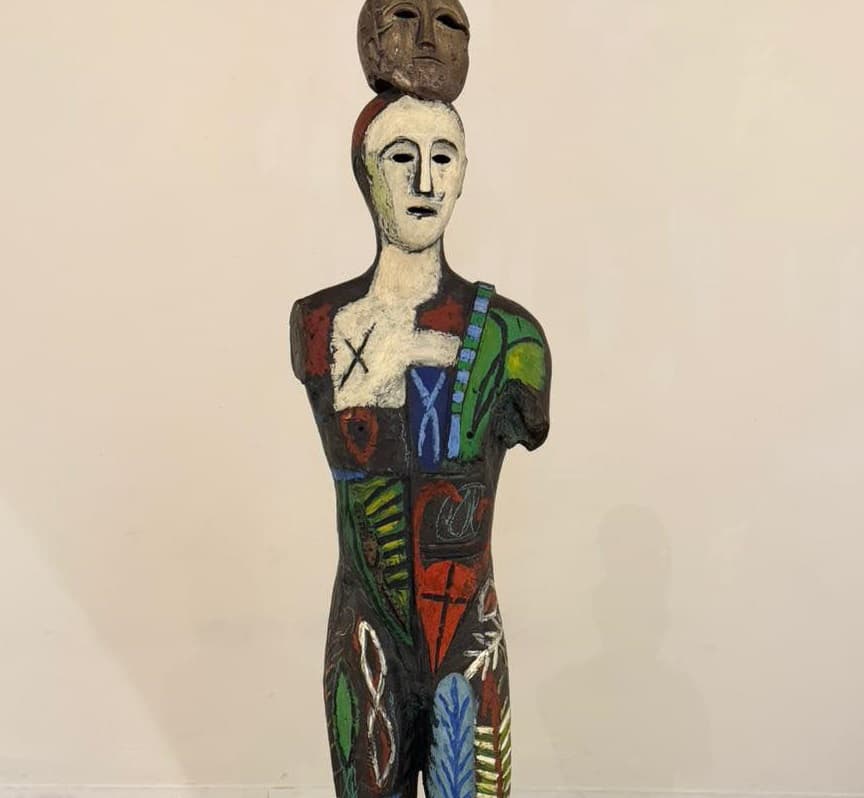
Archeo-Inganni. Echos of the Etruscans and Reflections of Antiquity Location: Scuderie Medicee, Pogg...
Rivista online registrata al Tribunale di Napoli n. 43 del 23/03/2022
Direttore: Lorenzo Crea
Editore: Visio Adv di Alessandro Scarfiglieri
Insight italia srl (concessionario esclusivo)
Rivista online registrata al Tribunale di Napoli n. 43 del 23/03/2022
Direttore: Lorenzo Crea
Editore: Visio Adv di Alessandro Scarfiglieri
Insight italia srl (concessionario esclusivo)
