
Autore: Serena Trivelloni • 29/03/2026 18:36
Some shows come and go. Others stay. Notre Dame de Paris belongs to that second category, the kind of production that never really leaves, even when it is not onstage.
Beginning at Teatro Arcimboldi in Milan, the show launches a new Italian tour set to wrap up in Rome in 2027, marking 25 years since its Italian debut. It feels less like a celebration and more like a reminder that this story has never stopped belonging to its audience.
From the beginning, the work created by Riccardo Cocciante has lived in its own space. It is not a traditional musical. It moves more like a contemporary pop opera where music, text and physical performance are inseparable. The songs do not sit in the background. They carry the narrative. They stay with you.
The source material is Victor Hugo, but what unfolds onstage feels immediate. Quasimodo, Esmeralda, Frollo and Phoebus are not just literary figures. They feel like emotional states. Desire, obsession, faith, contradiction. Every revival seems to deepen them, as if time adds weight instead of taking it away.
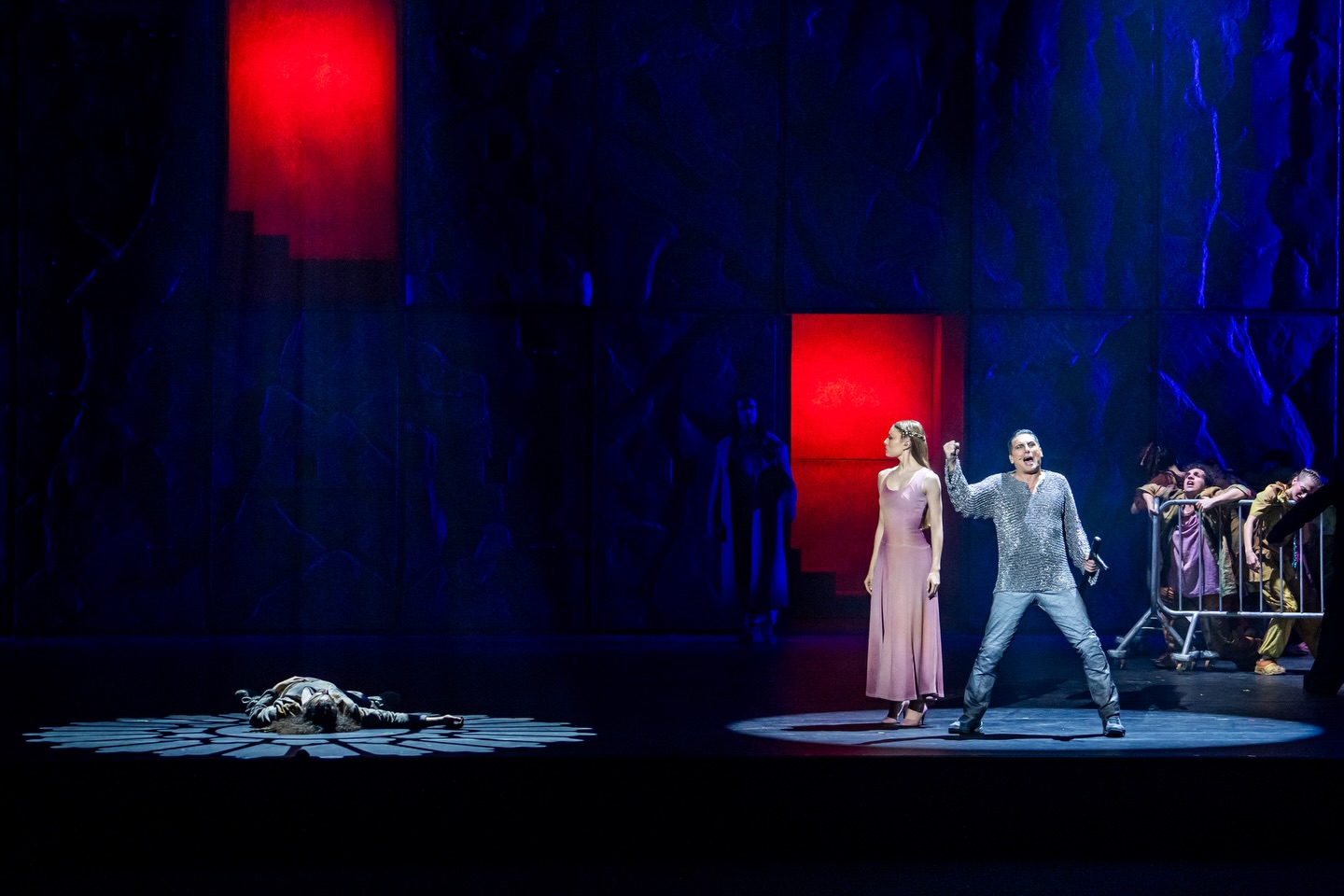
What makes this revival resonate is its balance. It does not try to erase the past. It lets it exist alongside the present.
Vittorio Matteucci returns to Frollo with the same dark, controlled intensity that made the role so defining. Graziano Galatone steps back into Phoebus with a performance that feels more lived in, less polished and more layered, shaped by time in a way that makes the character more human.
His return does not play as nostalgia. It brings the focus back to a kind of performance that is physical and fully embodied. Phoebus, suspended between charm and fragility, still finds in Galatone a precise balance between presence and restraint.
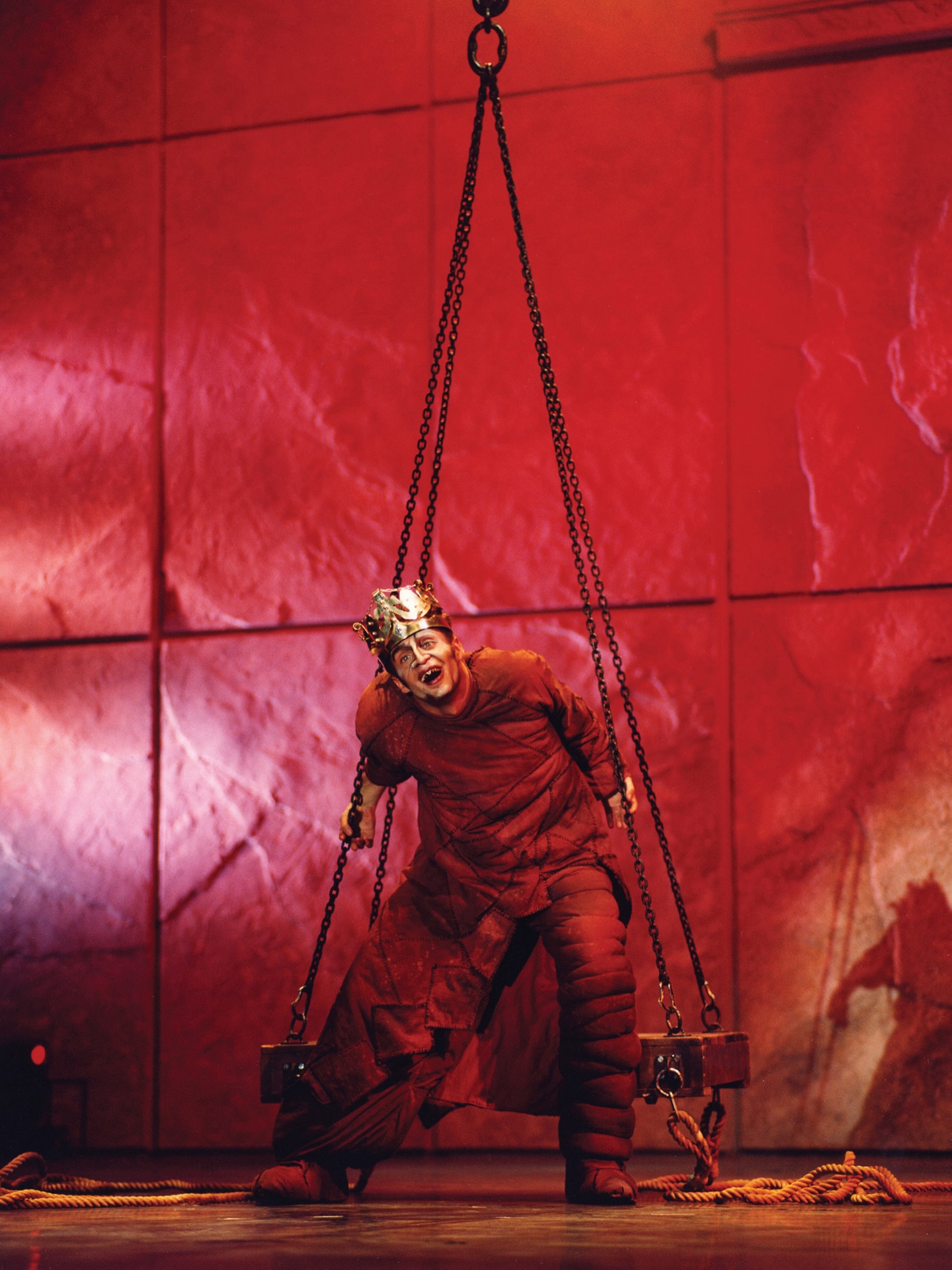
Giò Di Tonno also returns, anchoring the show with a Quasimodo that remains intimate, exposed and deeply felt.
Alongside them, new casting shifts the energy. Elhaida Dani’s Esmeralda feels grounded and immediate. She does not try to replicate what came before. She inhabits the role, and in doing so, gives it new breath.
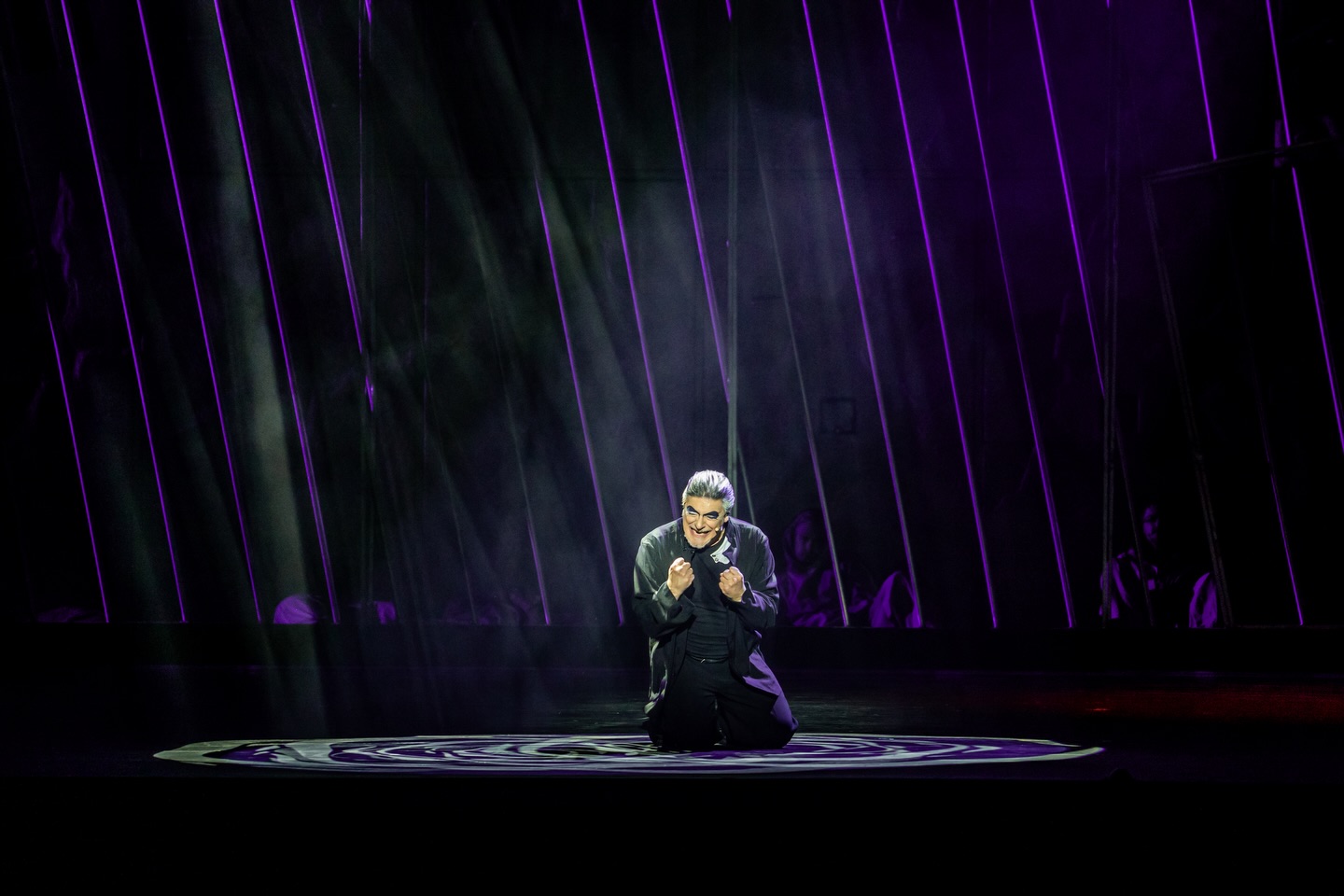
At the center of everything is the music. Cocciante’s score is still the engine of the show, structurally and emotionally.
Songs like “The Age of Cathedrals” and “Belle” have not faded into nostalgia. They still land, and they land differently depending on when you hear them.
There is something physical in the way this music works. It does not just tell the story. It moves through it. And when it returns to the stage, it feels present, not retrospective.
That is why this tour, on its way to Rome, does not read like an anniversary run. It feels like a check in. A way to see how much of this story still connects without being reshaped or simplified.
Twenty five years later, Notre Dame de Paris is more than a production. It feels like a shared space between performers and audience.
What stands out is not just how long it has lasted, but how easily it still holds.

Just over two months after the release of his latest critically acclaimed solo work, Louis Tomlinson...

“Troisi Poeta Massimo”: The Essential Return of Massimo Troisi, Thirty Years After The Postman’s Osc...

From 27 February to 28 June 2026, the elegant rooms of Palazzo Roverella in Rovigo will host the exh...

From 12 February to 14 June 2026, the splendid rooms of Palazzo Barberini in Rome will host the exhi...

Opening Jan. 31 at MAXXI - Museo nazionale delle arti del XXI secolo and running through April 26, 2...

A symbol of American counterculture, Robert Mapplethorpe, one of the most controversial photographer...
Rivista online registrata al Tribunale di Napoli n. 43 del 23/03/2022
Direttore: Lorenzo Crea
Editore: Visio Adv di Alessandro Scarfiglieri
Insight italia srl (concessionario esclusivo)
Rivista online registrata al Tribunale di Napoli n. 43 del 23/03/2022
Direttore: Lorenzo Crea
Editore: Visio Adv di Alessandro Scarfiglieri
Insight italia srl (concessionario esclusivo)
