
Autore: Redazione • 02/08/2025 13:48
In the heart of Potenza, within the historic Palazzo Loffredo, lies a treasure of inestimable value that tells the millennia-old story of Basilicata: the National Archaeological Museum of Basilicata “Dinu Adamesteanu”. Dedicated to the eminent Romanian archaeologist who devoted much of his life to studying the Lucanian territory, the museum offers an exhibition that is not only rich in artifacts but also structured to guide visitors on a fascinating chronological journey through the eras that shaped this land.
From Remote Origins to the Bronze Age: The First Traces of Humanity
The exhibition begins with the earliest evidence of human presence in Basilicata, dating back to the Lower and Middle Paleolithic. Flint tools, stone artifacts, and animal remains transport visitors to a primordial landscape, where our ancestors first demonstrated their ingenuity and adaptability.
As the tour progresses, the museum leads into the Bronze Age, a period of profound social and economic transformation. Important excavations from sites such as Toppo Daguzzo and Melfi-Ponte della Giumenta reveal ceramic vessels, bronze tools, and the first personal ornaments, narrating the evolution of increasingly organized communities devoted to agriculture, animal husbandry, and early trade. It is during this period that the first settlement patterns begin to take shape — patterns that would characterize Basilicata for centuries.
A significant section is dedicated to the Iron Age, a crucial epoch marked by the emergence of indigenous populations, namely the Enotri and later the Lucanians. The galleries from this period are particularly evocative, displaying rich funerary goods that reveal the social organization and spiritual beliefs of these peoples.
Princely tombs from sites such as Roscigno, Braida di Vaglio, and Chiaromonte showcase the rise of warrior elites, featuring finely crafted iron weapons, helmets, and bronze and amber jewelry that testify to cultural exchanges with other Mediterranean civilizations.
This era marks the rise of the Lucanians, a Sabellian people who became key figures in ancient Basilicata. They developed their own cultural and linguistic identity, while maintaining complex relationships with the Greek colonies flourishing along the Ionian coast.
A fundamental chapter of this chronological journey is dedicated to Magna Graecia. Though the museum focuses primarily on native peoples, it also presents artifacts that attest to the Greek influence on local culture — particularly in ceramic production and religious practices.
Attic and locally produced vases with figurative decorations, sculptures, and votive terracottas testify to the cultural fusion that defined this historical phase.
The final section is devoted to the Romanization of Basilicata. With the progressive Roman conquest, the region became an integral part of the Empire. The museum displays inscriptions, sculptures, and everyday objects that document the Roman presence, the construction of infrastructure, and the adoption of Roman customs and institutions, while still preserving traces of local traditions.
The Dinu Adamesteanu Museum is not merely a guardian of artifacts — it is also a vibrant research center dedicated to the study and promotion of Basilicata’s archaeological heritage. Through ongoing excavations and in-depth studies, its collection continues to expand, offering new insights into the complexity and richness of the region’s past.
Its chronological organization makes the visit both educational and engaging, allowing visitors to experience the historical and cultural evolution of Basilicata as a continuous, interconnected flow.
Address: Via Andrea Serrao, 11, Potenza (PZ)
Opening hours:
Tickets:
Ticket office: National Archaeological Museum of Basilicata, Via Andrea Serrao, 11 – Palazzo Loffredo
Phone: +39 0971 21719
More information: https://cultura.gov.it/luogo/museo-archeologico-nazionale-della-basilicata-dinu-adamesteanu
Cover photo credit: Ministry of Culture
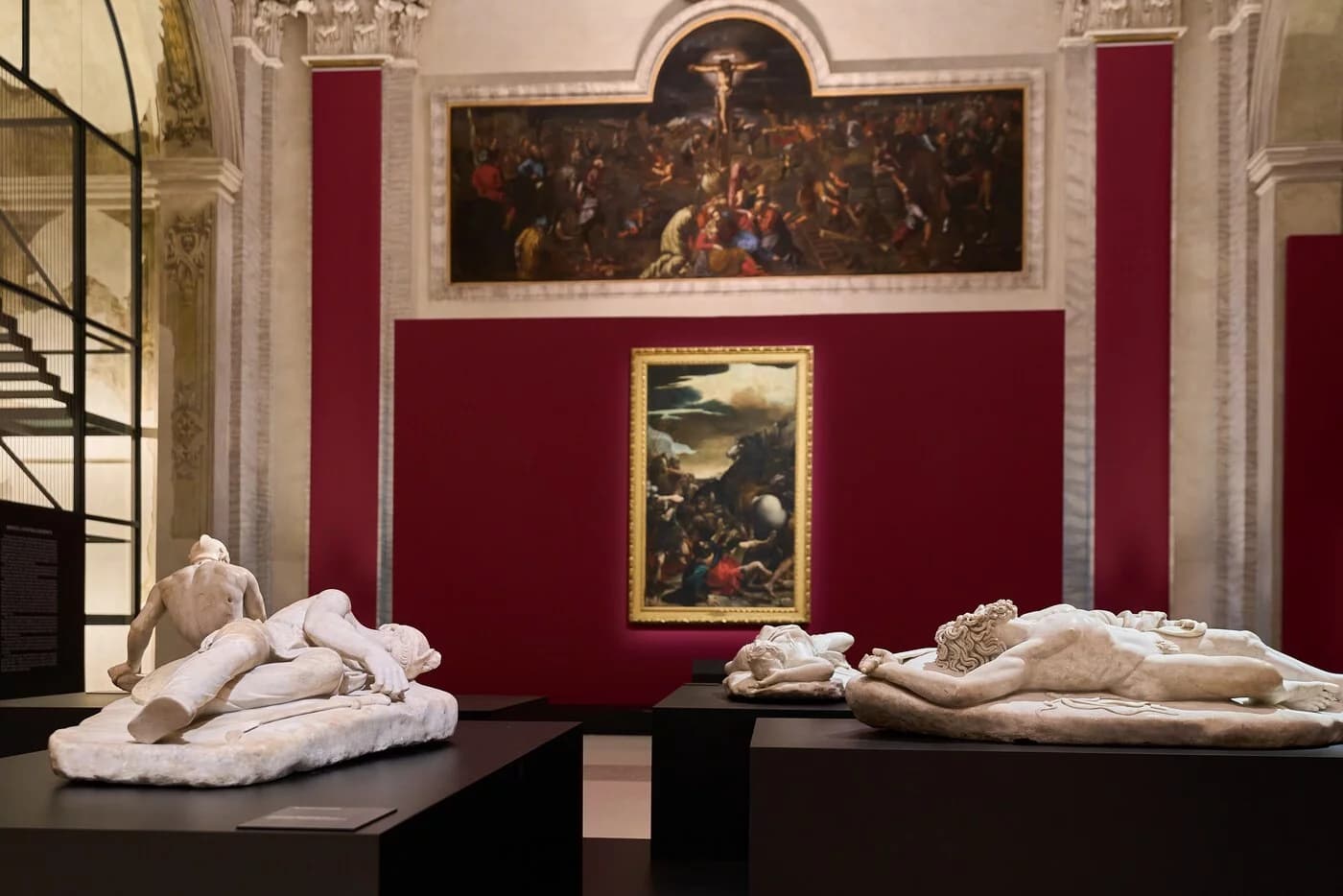
Baroque. The Grand Theatre of Ideas in Forlì Until 28 June 2026, the Museo Civico San Domenico in Fo...

From Museum to Museum: hiking between museums and villages in Maremma The Musei di Maremma network, ...

Tower of Memory: Ludmila Kazinkina’s solo exhibition When: from 18 to 26 April 2026. Where: Clock To...

Milano Art Week 2026: April 13–19 — museum highlights and practical tips From April 13 to 19, 2026, ...
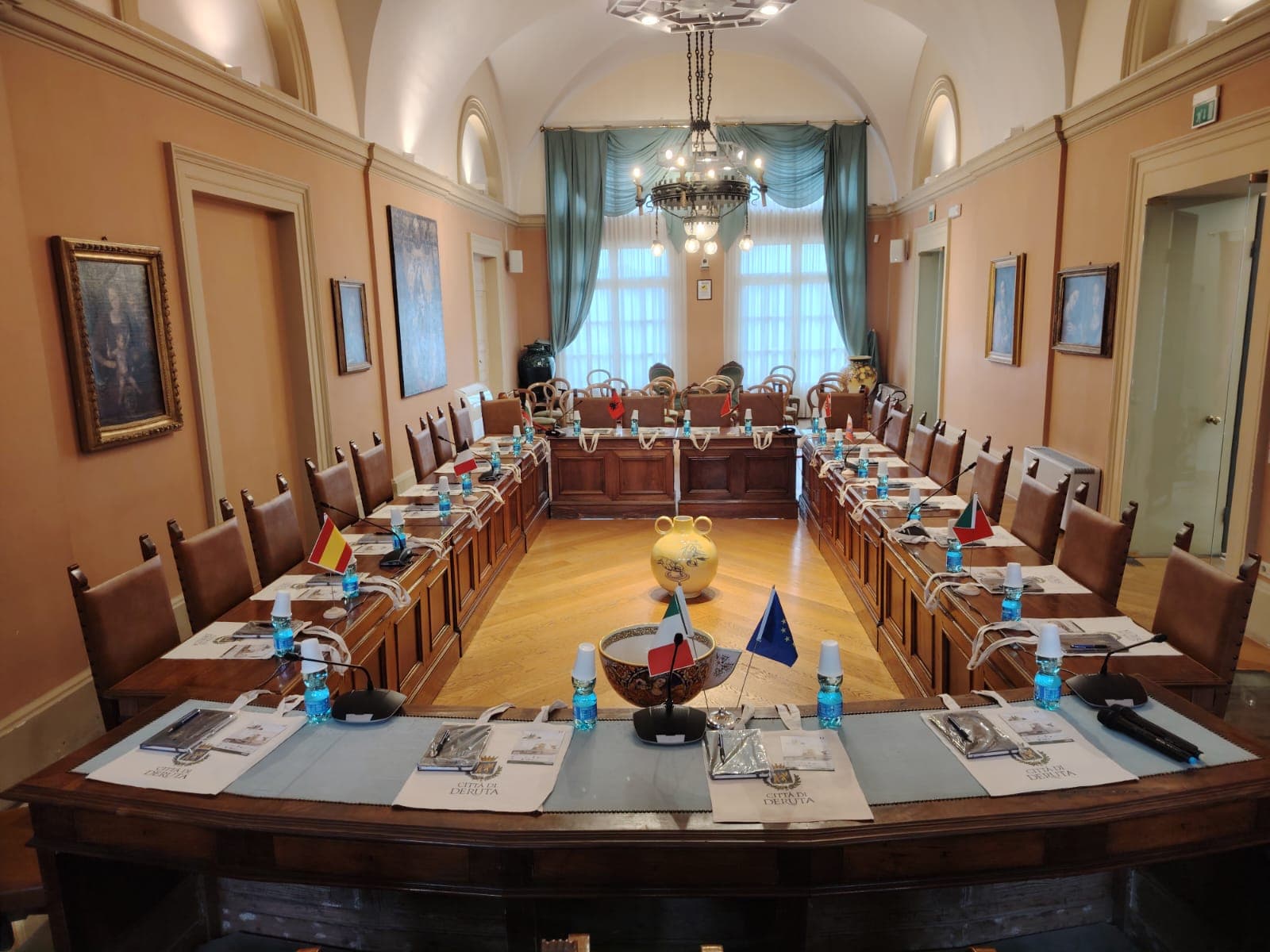
Deruta turns into an open-air gallery: six ceramic art exhibitions Deruta presents a city-wide exhib...
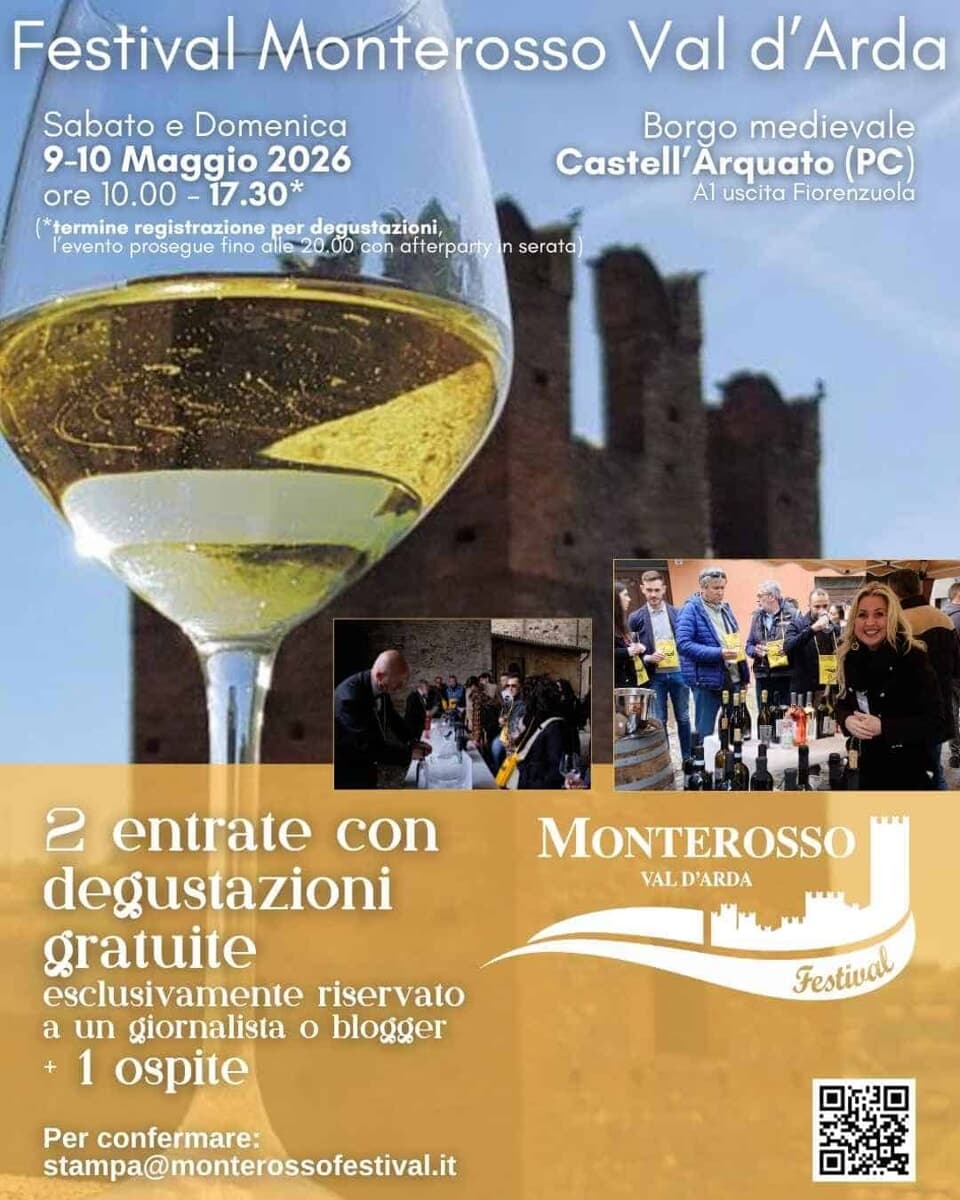
Monterosso Val d'Arda Festival: two days of wine, food and history When: 9–10 May 2026 Where: Castel...
Rivista online registrata al Tribunale di Napoli n. 43 del 23/03/2022
Direttore: Lorenzo Crea
Editore: Visio Adv di Alessandro Scarfiglieri
Insight italia srl (concessionario esclusivo)
Rivista online registrata al Tribunale di Napoli n. 43 del 23/03/2022
Direttore: Lorenzo Crea
Editore: Visio Adv di Alessandro Scarfiglieri
Insight italia srl (concessionario esclusivo)
