
Autore: Redazione • 23/03/2026 10:56
Recent archaeological campaigns at Saepinum have revealed new urban areas and finds that enrich the historical reconstruction of the ancient town. Evidence documents continuous occupation from the 1st to the 6th century AD and sheds light on housing, production activities and trade connections.
Excavations at Porta Bojano brought to light a significant domus with a monumental entrance facing the decumanus. The building shows multiple phases of modification and expansion, confirming its long-term use from the imperial period into late antiquity. Geophysical surveys indicate the residence likely extends beyond the current excavation area, requiring further investigation to define its full extent and organisation.
Stratified contexts yielded materials that illustrate changing uses and living standards across periods:
Notable finds include terracotta lamps, a rare incense burner, small ceramic vessels, personal bronze items (rings, a small casket key) and a large cylindrical lead container decorated with solar motifs and Gorgon heads. Fragments of pipes and valves point to a domestic water-heating system, a rare example of hydraulic technology in high-status Roman residences.
Work in the Forum area, resumed after a long pause, recovered marble architectural fragments and an honorary inscription dated to the 2nd century AD. Three-dimensional studies of the stone blocks have improved understanding of the imperial monumental complex and earlier structures. Finds indicate continuity from the Hellenistic Samnite settlement to the Roman urban formation, with evidence of production facilities likely tied to wool processing and sewage conduits.
Research on the cardo maximus, the principal north-south street, reconstructed the road’s stratigraphy and documented its use beyond late antiquity. A hoard of coins dated to the 5th century AD was found in a layer associated with Byzantine occupation, providing clues on later phases of urban presence and activity.
These discoveries at Saepinum expand research avenues on urban layout, technologies and local economy from the Republican era through late antiquity. The results support planning of further excavations and conservation measures to enhance the archaeological park’s accessibility and the site’s interpretative offer for visitors and scholars.
The Sepino archaeological site remains a central destination for the archaeology of south-central Italy. For the latest information on openings, guided tours and visitor services, check the official channels of the archaeological park and relevant cultural authorities.
Location: 86017 Sepino CB, Italia
Coordinates: 41.4078137, 14.6181953
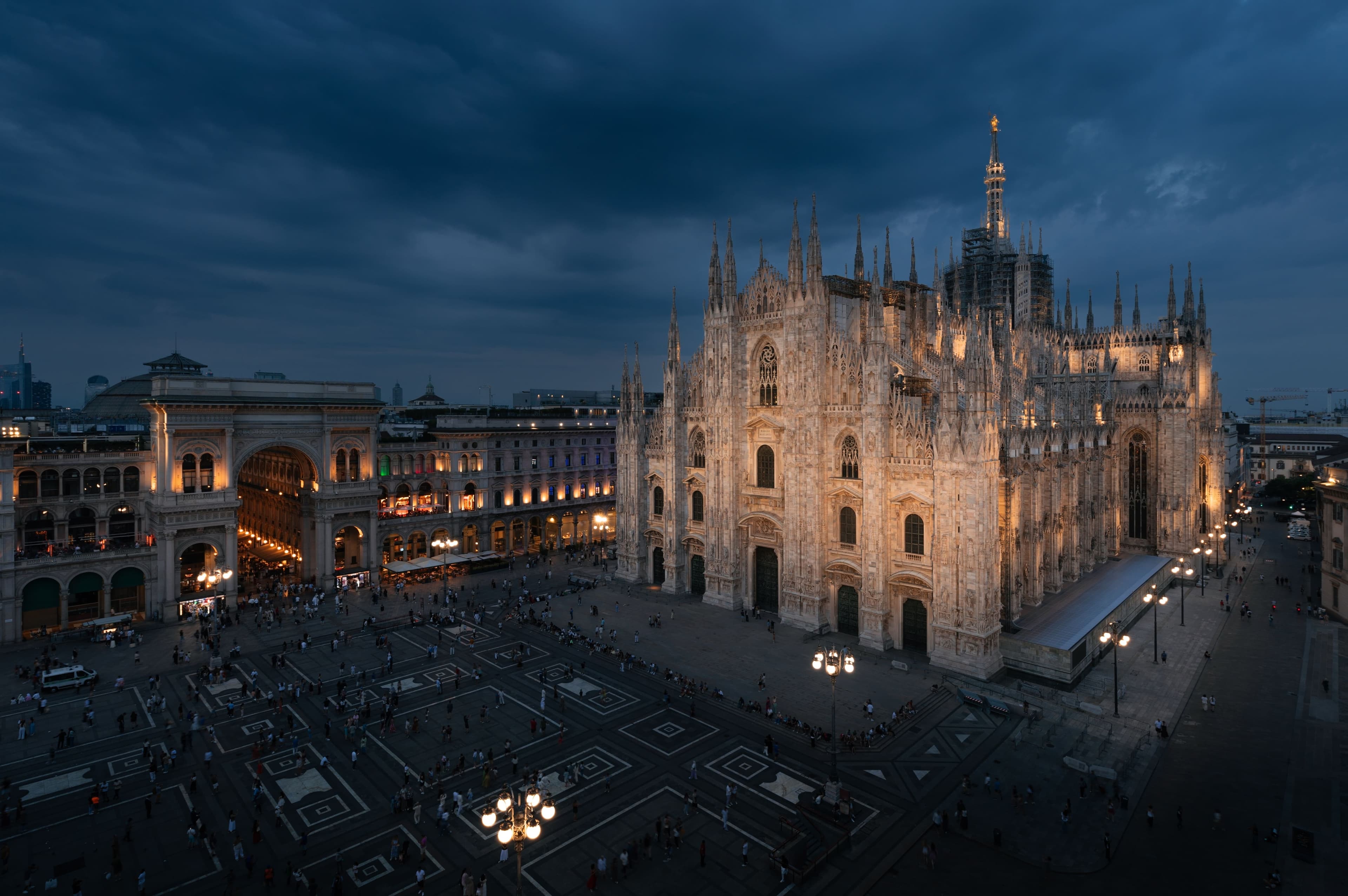
Milan Noir: evening tour among ancient prisons, the 'Devil's palace' and dark legends Explore Milan'...
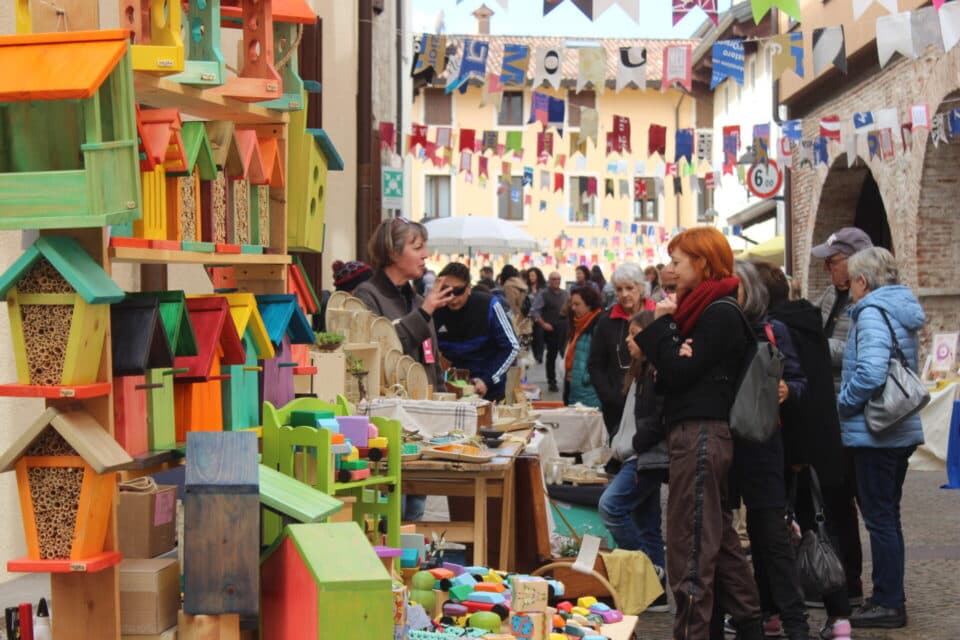
Civi Design Market: a creative hub in the historic village On Sunday 19 April 2026 Cividale del Friu...

Gisela McDaniel: Táifinakpo’ at Galleria Poggiali in Milan Táifinakpo’ marks the first solo exhibiti...

"21 Constituent Mothers" Exhibition at Centro della Pesa The Centro della Pesa in Riccione hosts an ...

Quid at Palazzo Marignoli: fine dining with a view over Rome Quid – Unique Italian Dining officially...

Why visit the Gran Sasso area in spring Spring lights up the Gran Sasso high plain: green meadows, w...
Rivista online registrata al Tribunale di Napoli n. 43 del 23/03/2022
Direttore: Lorenzo Crea
Editore: Visio Adv di Alessandro Scarfiglieri
Insight italia srl (concessionario esclusivo)
Rivista online registrata al Tribunale di Napoli n. 43 del 23/03/2022
Direttore: Lorenzo Crea
Editore: Visio Adv di Alessandro Scarfiglieri
Insight italia srl (concessionario esclusivo)
