
Autore: Redazione • 31/07/2025 11:03
The Museum of Capodimonte is one of the main cultural institutions in the city of Naples, not only for its historical and artistic importance, but also for the magnificent natural setting in which it stands. Its location in the Royal Park of Capodimonte, a centuries-old park that extends over a hill overlooking the city, adds a special charm to the visiting experience. The museum houses one of the richest and most significant art collections in Italy, covering several centuries of art history — from the Renaissance to the Baroque, passing through the Rococo and Neoclassicism. In this context, the museum is not just a container of artworks, but a meeting point between art, history, and nature.
The collection of the Museum of Capodimonte is vast and includes works ranging from medieval art to modern art. However, there are some masterpieces that represent the beating heart of its fame, and have become symbols of Naples and its artistic tradition.
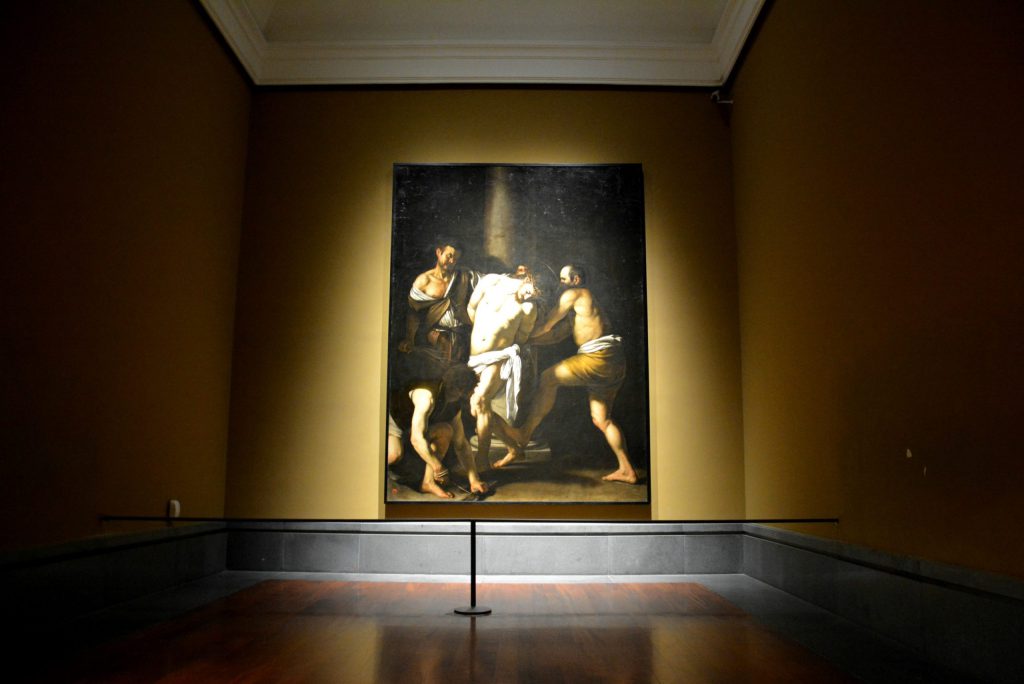
“The Flagellation of Christ” by Caravaggio
Among the most famous works preserved in the museum stands out this canvas by Caravaggio, which powerfully expresses the brutality and drama typical of the Lombard master. The painting, created in 1607, depicts one of the most tormented moments of Christ’s Passion, showing the tortured body of the Messiah with a realism and emotional force that leave no one indifferent. This masterpiece, which once belonged to the family collection of Andrea Doria, is one of the most significant examples of Baroque painting.
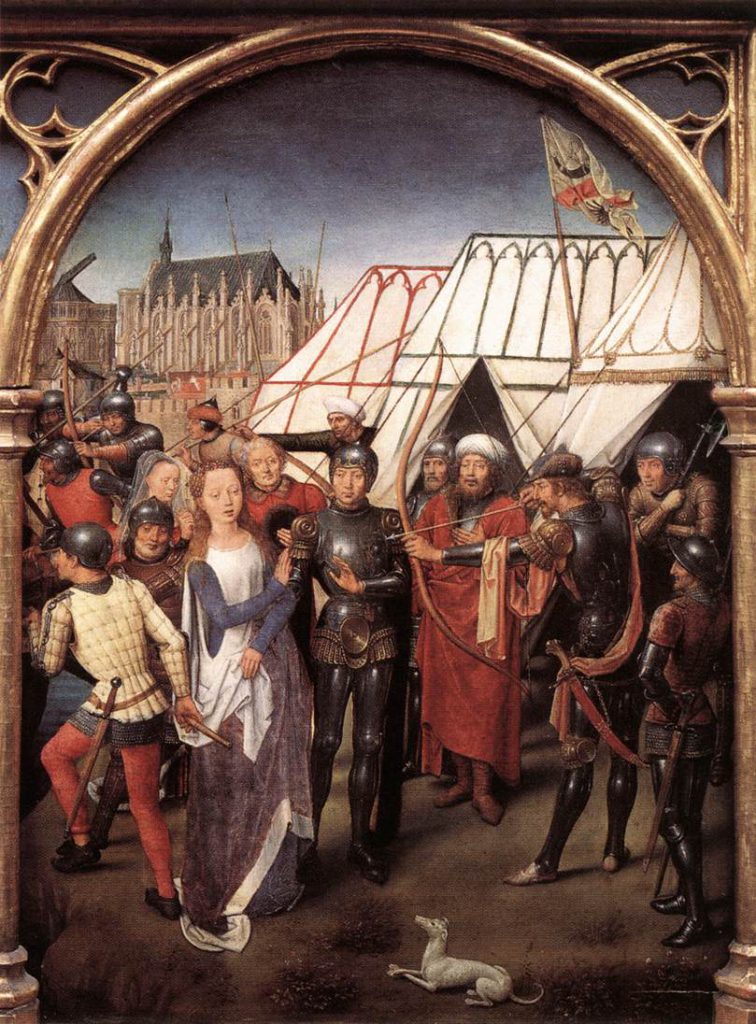
“The Martyrdom of Saint Ursula” by Hans Memling
Another masterpiece worthy of attention is this Flemish painting, which expresses the refinement and delicacy typical of the 15th-century Flemish school. Memling masterfully captures details with precision and grace — from the facial expressions to the textures of the garments — revealing a sensitivity that makes him unique within the European Renaissance tradition.
Works by Raphael
The Museum of Capodimonte also houses some of the most significant works by Raphael Sanzio, including the famous “Saint Michael the Archangel.” Raphael’s ability to combine harmony, proportion, and ideal beauty is perfectly expressed in these paintings, which embody the refinement of the Renaissance.
“The Resurrection of Christ” by Guido Reni
Another artist who stands out among the masters of the Baroque is Guido Reni, whose work is distinguished by grace and emotional intensity. His “Resurrection of Christ”, with its dynamic composition and the contrast between light and shadow, conveys hope and faith in a profoundly moving way.
Porcelain Collections
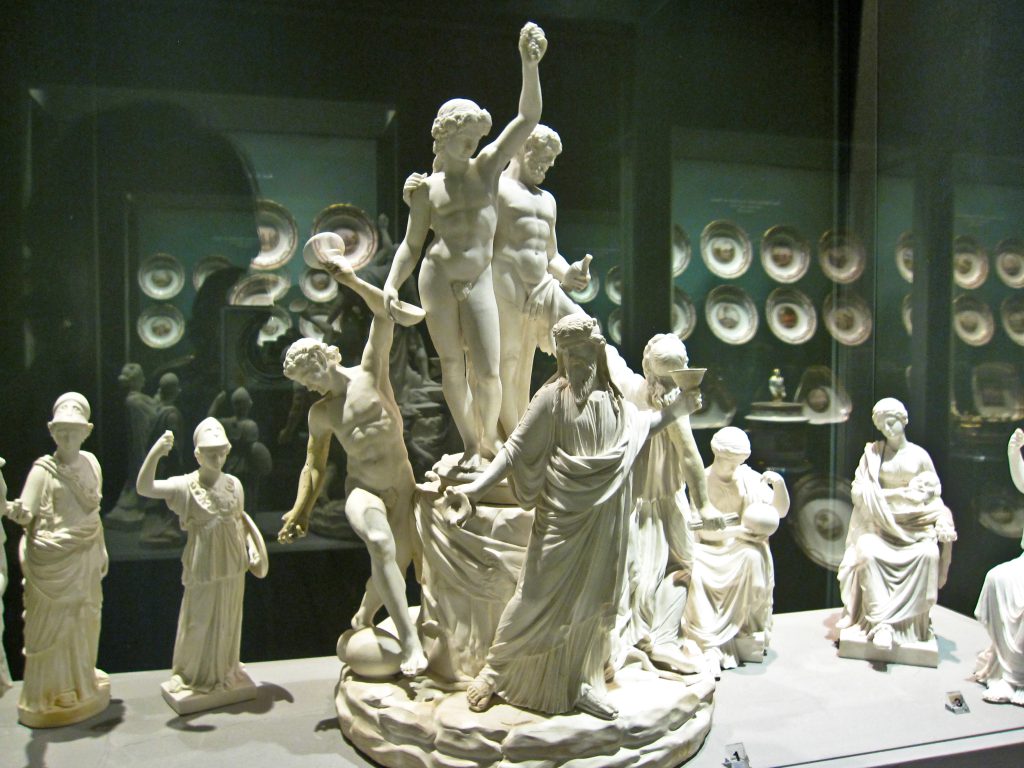
In addition to paintings, the museum is also renowned for its vast porcelain collection, an important assemblage of artifacts from the Capodimonte manufacture and other 18th-century European factories. These pieces testify to the refinement of the craftsmanship of the time and to the desire to create objects that were not only functional but also decorative, intended for an aristocratic clientele.
The Royal Park of Capodimonte, which surrounds the museum, is one of the most beautiful and historic green areas in Naples. This centuries-old park was created in 1734 by Charles of Bourbon, King of Naples, as a royal hunting reserve. Today, the park covers about 130 hectares and offers a magnificent display of nature and landscape, blending perfectly with the architecture of the museum, creating a harmonious balance between art and the natural world.

In the Park of Capodimonte, visitors can enjoy long walks among tree-lined avenues, artificial lakes, and fountains. The park’s lush vegetation, which includes centuries-old trees of various species, creates a true oasis of tranquility in the heart of Naples. This green haven offers an escape from the hustle and bustle of the city and serves as a precious retreat for those wishing to immerse themselves in nature.
The Museum of Capodimonte and the adjacent park are equipped with several refreshment areas where visitors can pause and enjoy the beauty of the surroundings. Within the park, there are cafés and kiosks offering a selection of drinks and snacks — perfect for a relaxing break after exploring the museum galleries or strolling through the park.
In particular, the gardens of Capodimonte feature benches and small panoramic terraces, where visitors can admire splendid views of the city of Naples and the Gulf of Naples. The peaceful and serene atmosphere of the park invites visitors to linger, perhaps with a cup of Neapolitan coffee or an ice cream, while listening to the birds singing or the rustle of the leaves.
The Museum of Capodimonte is a place where art, history, and nature come together in a unique way. Its art collections, gardens, and surrounding park make it a complete experience, one that satisfies not only the love for art but also the desire to relax and enjoy the beauty of the landscape. Whether it’s a walk through the gardens or a visit to the museum’s masterpieces, every corner of the Museum of Capodimonte offers an opportunity to discover and appreciate one of Naples’ greatest treasures.
For more information, please visit the official website.

The most visited archaeological sites in Italy Italy is home to some of the world's best-known archa...

In Lucca: Alfredo Catarsini exhibition at Palazzo Guinigi and national novel launch Location: Palazz...

Why visit Civita di Bagnoregio in spring In spring Civita di Bagnoregio reveals a gentle, quieter si...

Michele Cea Prize 2026: call for young artists The Michele Cea Foundation ETS launches the 11th edit...

New acquisitions at the Pinacoteca Metropolitana “Corrado Giaquinto” The Pinacoteca Metropolitana “C...

Albrecht Dürer’s Apocalypse on show in BolognaFrom 24 April to 31 July 2026 the Pinacoteca Nazionale...
Rivista online registrata al Tribunale di Napoli n. 43 del 23/03/2022
Direttore: Lorenzo Crea
Editore: Visio Adv di Alessandro Scarfiglieri
Insight italia srl (concessionario esclusivo)
Rivista online registrata al Tribunale di Napoli n. 43 del 23/03/2022
Direttore: Lorenzo Crea
Editore: Visio Adv di Alessandro Scarfiglieri
Insight italia srl (concessionario esclusivo)
