
Autore: Redazione • 27/08/2025 14:43
In the charming historic center of Como, nestled between the tranquil waters of the lake and the majestic Prealps, lies the Archaeological Museum “Paolo Giovio”. This institution is far more than a simple exhibition space — it is the key to understanding the city’s deepest roots, a journey through time that begins with the earliest prehistoric settlements and spans thousands of years of history. Named after the great Renaissance humanist and historian from Como, the museum is housed in two magnificent historic buildings — Palazzo Giovio and the nearby Palazzo Olginati — which themselves make the visit a uniquely rich cultural experience.
A Historic Setting: Palazzo Giovio and Palazzo Olginati
The museum is located in an architectural setting of exceptional beauty. Palazzo Giovio, the former residence of the noble family of the same name, and Palazzo Olginati, with its elegant façade, provide an atmosphere where frescoed halls and historical architecture harmoniously interact with the artifacts on display. Situated just a few steps from Como’s Cathedral, the site itself plays an essential role in the museum experience, forging an indissoluble bond between the history of the building and the history it tells. The exhibition is divided into thematic sections, offering a broad overview of the eras that have shaped the Como area.
Prehistory and Protohistory
This section is devoted to the earliest traces of human presence in the region. The exhibits span from the Paleolithic to the Iron Age, with a special focus on the Golasecca Culture, a pre-Roman civilization that flourished between the 9th and 4th centuries BCE in western Lombardy and Ticino. Through funerary goods, ceramics, weapons, and bronze objects, the museum reveals the social organization, rituals, and trade of these ancient peoples, shedding light on the complexity of a civilization often overlooked.
The Roman Era
A large part of the museum is dedicated to the Roman period and to the history of ancient Comum, documenting its foundation and growth as a strategic center of the Roman Empire. Among the highlights are:
The Middle Ages
The tour concludes with a section dedicated to the Middle Ages, illustrating the transition from Roman times to the foundation of modern Como. Visitors can admire Lombard and Carolingian artifacts, including fibulae, weapons, and jewelry, which reflect the profound cultural and political transformations that followed the fall of the Roman Empire.
More Than an Exhibition: Research and Education
The Archaeological Museum “Paolo Giovio” is not only a place of preservation but also a vibrant center for research and education. Through temporary exhibitions, conferences, educational workshops, and school activities, the museum seeks to make history accessible to all, promoting awareness and appreciation of Como’s rich cultural heritage.
Visitor Information
The Paolo Giovio Archaeological Museum is an essential stop for anyone wishing to discover the ancient heart of Como, where history, architecture, and culture intertwine to tell the millennia-old story of the city and its people.
Cover photo credits: Carlo Cattaneo, licensed under CC BY-SA 4.0
Paduli: "Appia Schools" returns to Forum Novum When: 17–19 April 2026Where: Forum Novum archaeologic...

Settimane Musicali at Teatro Olimpico, Vicenza – "I canti della terra" (35th edition) When: from Apr...

Sutri in Bloom 2026: quick guide When: from 18 April to 31 May 2026. Where: Sutri (Viterbo province)...

Palermo: 'Lunaria' — Solo exhibition by Francesca Polizzi RizzutoGallery presents Lunaria, a solo ex...

Milano Art Week 2026: practical guide to museum exhibitions (April 13-19) From April 13 to April 19,...
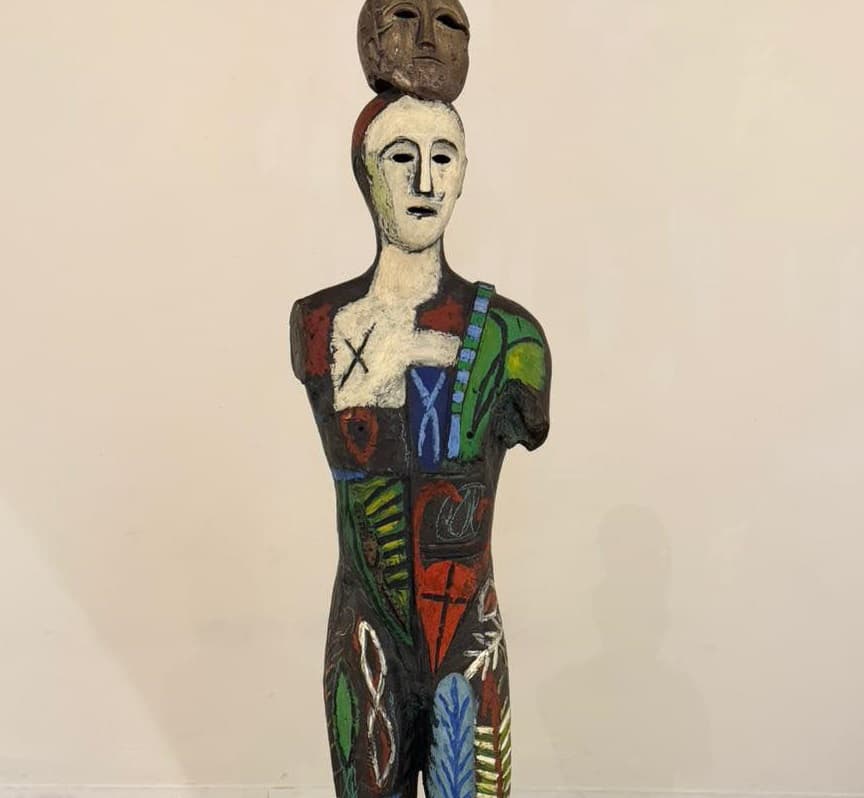
Archeo-Inganni. Echos of the Etruscans and Reflections of Antiquity Location: Scuderie Medicee, Pogg...
Rivista online registrata al Tribunale di Napoli n. 43 del 23/03/2022
Direttore: Lorenzo Crea
Editore: Visio Adv di Alessandro Scarfiglieri
Insight italia srl (concessionario esclusivo)
Rivista online registrata al Tribunale di Napoli n. 43 del 23/03/2022
Direttore: Lorenzo Crea
Editore: Visio Adv di Alessandro Scarfiglieri
Insight italia srl (concessionario esclusivo)
