
Autore: Redazione • 02/08/2025 15:04
Venice, the lagoon city steeped in history and beauty, is not only canals and gondolas but also a melting pot of art and culture. Among its many treasures, the Gallerie dell’Accademia stands out as one of Italy’s most important museums, guardian of an invaluable collection that traces the evolution of Venetian art from the 14th to the 18th century. Originally founded as an academy of fine arts in 1750, the gallery assumed its museum role following the Napoleonic suppression of monasteries and churches, which allowed the gathering of an impressive number of masterpieces. Today, it offers an immersive journey through the ages, allowing visitors to admire up close the works of the masters who shaped the history of art.
The Beating Heart of Venetian Art
The collection of the Gallerie dell’Accademia is unique in its exclusive focus on Venetian art. This specialization allows for a deep understanding of the stylistic features, influences, and innovations that characterized painting in the Lagoon. Among the great masters displayed are names that made Venetian painting immortal, often beginning the exhibition with 15th-century artists such as Giovanni Bellini, whose Madonnas with Child, sacred conversations, and polyptychs reveal an extraordinary sensitivity to color and light — elements that became hallmarks of the Venetian school. Works such as the San Giobbe Altarpiece and the Madonna degli Alberetti stand as sublime examples of his mastery.
Continuing through the gallery, one encounters the enigmatic and fascinating figure of Giorgione, represented by works that express a new conception of art, filled with mystery and poetry. His famous Tempest, though modest in size, is a masterpiece of suggestion and interpretation — a true manifesto of the Venetian Renaissance.
The genius of Titian is widely celebrated in the gallery: his psychologically rich portraits and grand altarpieces embody the magnificence and virtuosity of the High Renaissance. The monumental Presentation of the Virgin in the Temple captures attention with its dynamic composition and masterful use of color.
With his dramatic energy and bold chiaroscuro, Tintoretto represents the peak of Venetian Mannerism. His canvases are characterized by complex compositions and intense emotion, as seen in The Crucifixion and The Miracle of Saint Mark. Paolo Veronese, on the other hand, brings elegance and splendor to Venetian painting — his large-scale works burst with vibrant colors and majestic figures that reflect the wealth and grandeur of 16th-century Venice. The Feast in the House of Levi (originally The Last Supper, later renamed after an Inquisition trial for its opulence) perfectly illustrates his ability to create grand, detailed scenes.
Beyond its masterpieces of painting, the gallery also houses a selection of sculptures and drawings that enrich the understanding of the Venetian artistic context. These include works by masters such as Antonio Canova, who, though not Venetian by birth, left an indelible mark on Italian Neoclassical art.
Visiting the Gallerie dell’Accademia is not only an opportunity to admire works of art but a true journey through the history and culture of Venice. Each room tells a part of this story, allowing visitors to immerse themselves in the greatness of an era that produced some of the most beautiful and meaningful works in Western art.
Address: Campo della Carità – Dorsoduro 1050, Venice
Opening Hours:
Tickets:
Useful Links and Contacts:
Cover photo: MyTour in Italy

Pompeii: practical internships for the Botticino Restoration School A new internship program has sta...

Vasto: “Amuninni” at the Palace of Justice with Massimo Caponnetto At Vasto's Palace of Justice the ...

Why visit Caorle from Venice For a quick escape from Venice's crowds without traveling far, Caorle i...

Quadrifluox: ink transformed into light Quadrifluox is a curatorial project by Piergiuseppe Molinar ...

Diana Markosian. Replaced — Gallerie d'Italia, Turin Replaced is a photographic and cinematic projec...
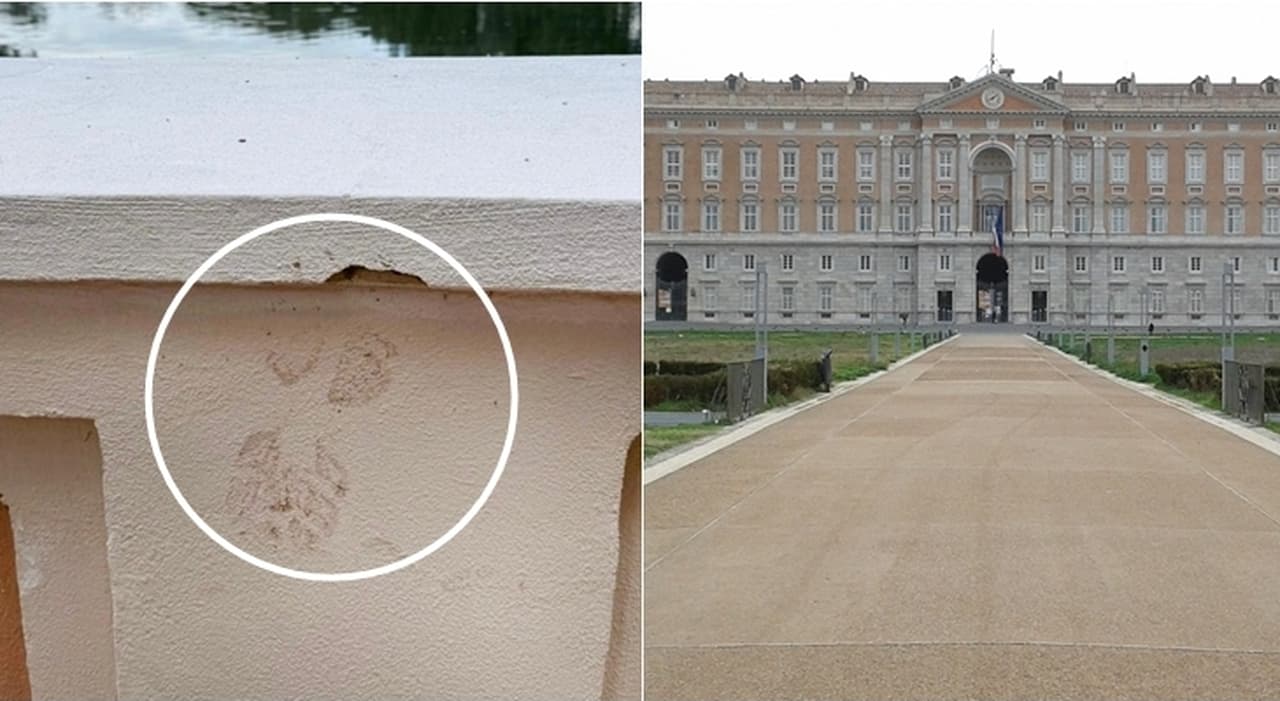
Vandalism at the Royal Palace of Caserta: incident and reactions On 11 April 2026 the Royal Palace o...
Rivista online registrata al Tribunale di Napoli n. 43 del 23/03/2022
Direttore: Lorenzo Crea
Editore: Visio Adv di Alessandro Scarfiglieri
Insight italia srl (concessionario esclusivo)
Rivista online registrata al Tribunale di Napoli n. 43 del 23/03/2022
Direttore: Lorenzo Crea
Editore: Visio Adv di Alessandro Scarfiglieri
Insight italia srl (concessionario esclusivo)
