
Autore: Redazione • 24/10/2025 10:53
In the vibrant heart of Genoa, overlooking Piazza De Ferrari, stands the Teatro Carlo Felice, one of the most important opera houses in Italy. Its imposing neoclassical façade, with tall white marble columns and a majestic portico, dominates the square like an ancient temple dedicated to art and music. For nearly two centuries, the theatre has been not only the cultural center of the city but also a symbol of rebirth and modernity, blending history, innovation, and legend.
The project for the Teatro Carlo Felice began in 1825, when architect Carlo Barabino won the competition to design a new city theatre, strongly supported by King Carlo Felice of Savoy, after whom the building is named. At the time, Genoa lacked a major opera venue and aspired to rival the great European capitals. The theatre was inaugurated in 1828 with Bianca e Fernando by Vincenzo Bellini, in the presence of the royal family of the Kingdom of Sardinia.
During World War II, the theatre suffered heavy bombing, which destroyed most of its interiors, leaving only the portico and perimeter walls intact. Reconstruction, entrusted to architects Aldo Rossi, Ignazio Gardella, and Fabio Reinhart, began only in the 1980s, after decades of unrealized plans. The new theatre was inaugurated in 1991, restoring to Genoa a state-of-the-art venue for the performing arts.
The current building preserves the monumental appearance of the original structure but is equipped with modern technologies. The stage, among the most advanced in Italy, allows for up to four simultaneous set designs thanks to sophisticated mobile systems. The interior is designed as a covered city square, with flowered balconies and soft lighting evoking Genoese homes, while the perfect acoustics result from meticulous studies of materials and shapes.
One of the most intriguing legends linked to Carlo Felice is that of its benevolent ghost: it is said that on quiet nights, the spirit of Leila Carbone, a young Genoese woman accused of witchcraft in the 16th century and buried where the theatre now stands, still lingers. According to legend, during the wartime bombings, her spirit protected the statue of the Genius of Harmony, which remained miraculously intact.
Another curiosity concerns the theatre’s name: it’s said that Genoese citizens dedicated it to Carlo Felice to appease the king after the famous incident in which Niccolò Paganini refused to play an encore, uttering the historic phrase “Paganini does not repeat.”
The Teatro Carlo Felice is located at Passo Eugenio Montale 4, just steps from Piazza De Ferrari, in the center of Genoa. It is easily accessible via metro (De Ferrari stop) or by several urban bus lines (18, 20, 36, 14, 46).
The theatre is open during performances and for guided tours, available by reservation through the official website. Ticket prices vary depending on the opera or symphonic season, with discounts for students and visitors under 26.
Today, Carlo Felice is more than a theatre—it is a meeting place, a bridge between past and present, where every note and every voice tells the story of Genoa’s soul and its deep connection to music.
photo credits of italia.it
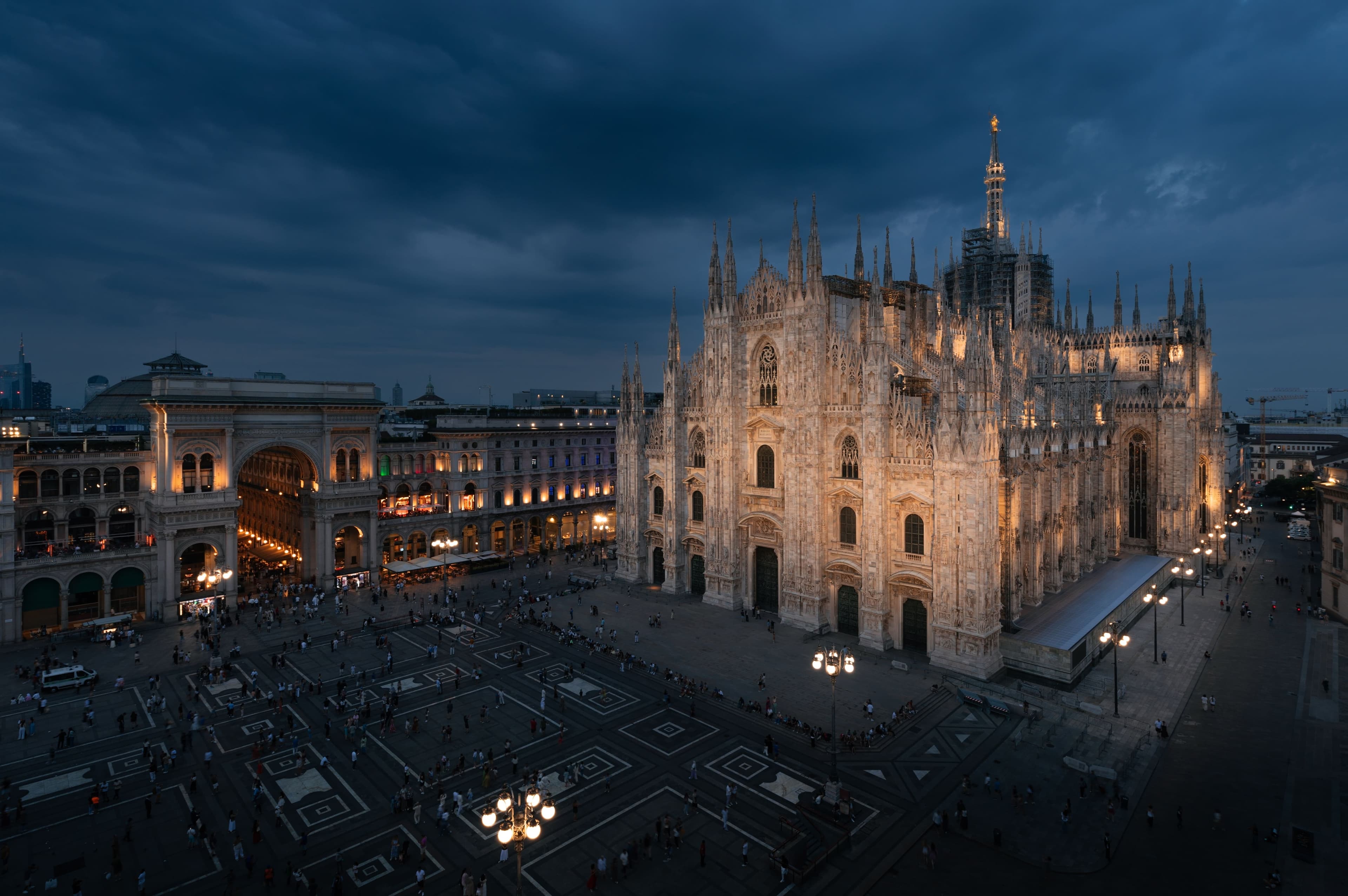
Milan Noir: evening tour among ancient prisons, the 'Devil's palace' and dark legends Explore Milan'...
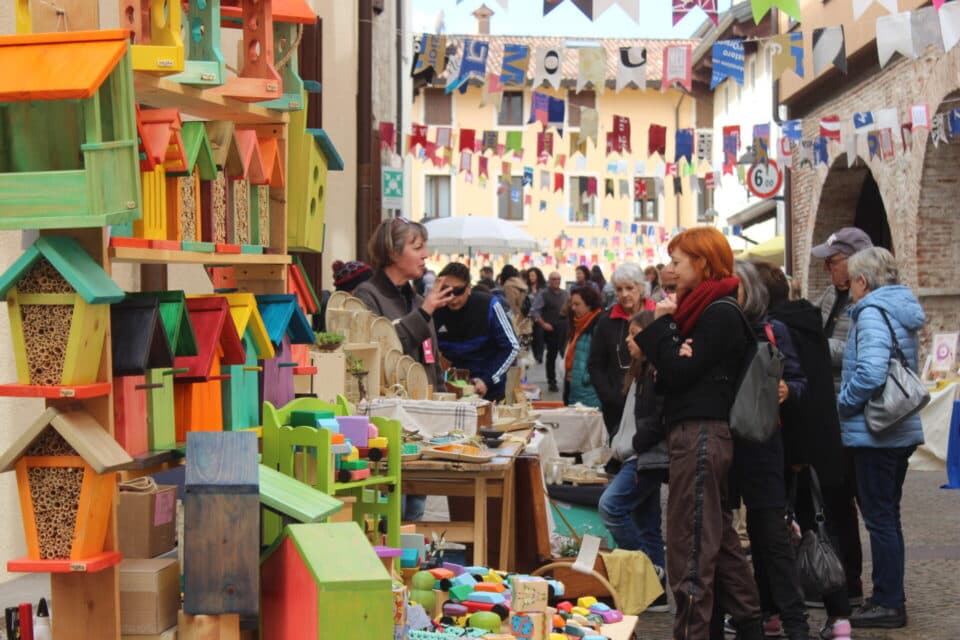
Civi Design Market: a creative hub in the historic village On Sunday 19 April 2026 Cividale del Friu...

Gisela McDaniel: Táifinakpo’ at Galleria Poggiali in Milan Táifinakpo’ marks the first solo exhibiti...

"21 Constituent Mothers" Exhibition at Centro della Pesa The Centro della Pesa in Riccione hosts an ...

Quid at Palazzo Marignoli: fine dining with a view over Rome Quid – Unique Italian Dining officially...

Why visit the Gran Sasso area in spring Spring lights up the Gran Sasso high plain: green meadows, w...
Rivista online registrata al Tribunale di Napoli n. 43 del 23/03/2022
Direttore: Lorenzo Crea
Editore: Visio Adv di Alessandro Scarfiglieri
Insight italia srl (concessionario esclusivo)
Rivista online registrata al Tribunale di Napoli n. 43 del 23/03/2022
Direttore: Lorenzo Crea
Editore: Visio Adv di Alessandro Scarfiglieri
Insight italia srl (concessionario esclusivo)
