
Autore: Redazione • 02/08/2025 14:42
In the heart of Gallura, in northern Sardinia, lies the village of Luras, home to a place filled with fascination and mystery — the Galluras Ethnographic Museum, better known as “The House of the Femina Agabbadora.” This museum is not just a collection of objects, but an open doorway into a not-so-distant past that has shaped the identity of an entire people. Here unfolds the story of an enigmatic and controversial figure — the Femina Agabbadora — guardian of an ancient ritual that continues to intrigue and provoke reflection today. Entering this house means taking a step back in time and confronting the most intimate — and sometimes unsettling — traditions of a millennia-old culture.
A Village and Its History
The museum is housed in a typical Gallurese home dating from the late 17th century, preserved in its original form with authentic furnishings that recreate the domestic atmosphere of the time: fireplaces, wrought-iron beds, weaving looms, and farming tools. Every corner and every object seems to whisper stories of everyday life, of hardship and joy. This authentic setting is essential to understanding the figure of the Femina Agabbadora, her role within the community, and the social and cultural context in which she operated.
The Femina Agabbadora: Between Legend and Historical Reality
At the heart of the Galluras Museum stands the mysterious figure of the Femina Agabbadora, literally “the woman who ends” or “she who brings to completion.” Dressed in black and veiled, she would enter the homes of the dying whose suffering was considered unbearable and, using a small wooden mallet called a mazzolu, or other tools, would end their lives in an act of mercy and solemn responsibility.
Through artifacts, testimonies, and evocative storytelling, the museum seeks to shed light on this enigmatic figure — often shrouded in legend. On display is the alleged mazzolu, an object of powerful emotional impact that serves as a catalyst for reflection on life, death, and the community’s role in facing pain. The purpose is not to judge, but to understand the historical, social, and religious context that allowed such a ritual to exist. The visit becomes an invitation to explore the boundaries between life and death, ethics and tradition, in a rural society where pragmatism and compassion were deeply intertwined.
Beyond the Agabbadora: Everyday Life in Gallura
Beyond its central theme, the Galluras Ethnographic Museum offers a complete portrait of traditional Gallurese life. Its rooms recreate domestic and work environments of the past, showcasing:
• Agricultural and pastoral tools: hoes, plows, milk containers, and wool-shearing instruments — all bearing witness to an economy rooted in farming and herding.
• Kitchen utensils: copper pots, ceramic tableware, and old ovens that tell of a simple yet genuine diet.
• Looms and weaving tools: traditional textiles highlight the skill of Gallurese women in crafting wool and linen.
• Objects of daily life: clothing, jewelry, amulets, and children’s toys that offer an intimate look into everyday existence.
Each object is accompanied by clear, engaging descriptions, and the guides — often locals — enrich the experience with stories and anecdotes that make the visit both personal and immersive.
The Galluras Ethnographic Museum is not reserved only for historians or specialists; it is a place that invites visitors to reflect on human existence, the dignity of life and death, and the role of tradition in an ever-evolving society.
Address: Via Nazionale, 35/A, 07025 Luras (OT), Italy
Opening Hours: Hours vary by season. Visitors are strongly encouraged to contact the museum in advance to confirm opening times, especially outside the summer months.
• In summer, it is generally open daily or nearly so, with continuous hours.
• During other seasons, openings may be limited to specific days or available by reservation.
Tickets: Entrance fee around €10, often including a multilingual audio guide — an excellent resource for exploring the museum’s contents in depth.
Contacts: [email protected]
Cover photo credits: Josef Skodnik-Menia
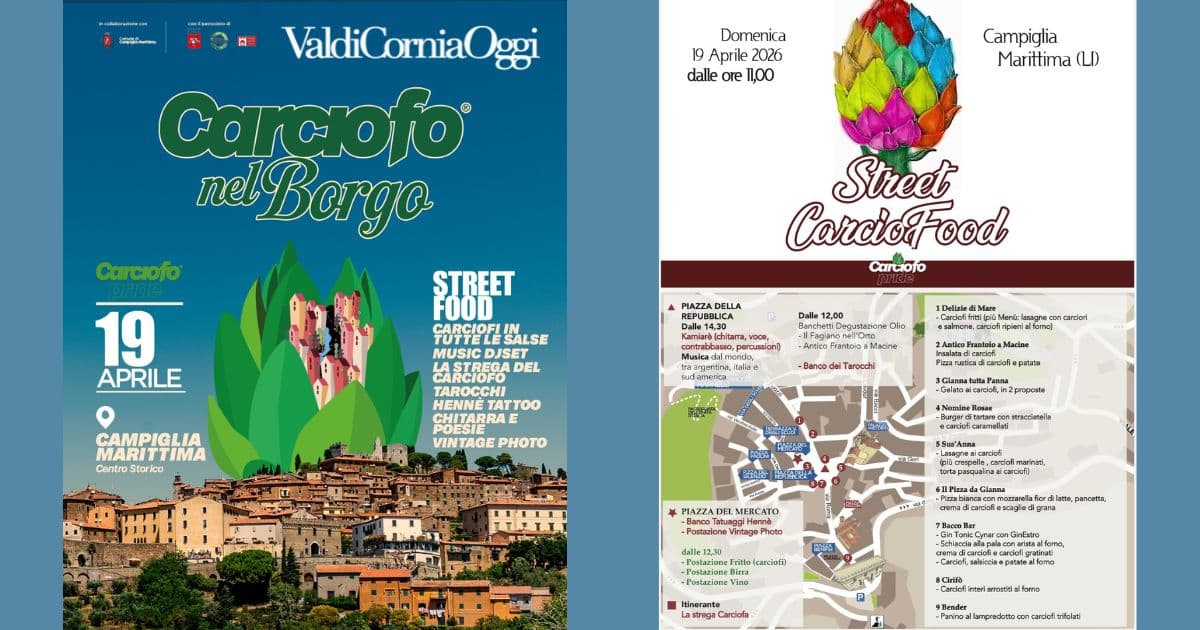
Carciofo Pride in Campiglia Marittima: flavors, music and tradition When: 19 April 2026 (all-day eve...

LETIA at GAM Milan: the work that resonates in the Sala del Parnaso LETIA presents an intervention i...

The Etruscans and the Netherlands: Corazzi Bronzes in Milan From April 1 to October 4, 2026, the Fon...

Amoako Boafo at Palazzo Grimani Dates: 6 May - 22 November 2026 The Museo di Palazzo Grimani, part o...
Citerna: a village to contemplate in the Valtiberina Citerna is a medieval gem in Umbria, perched on...
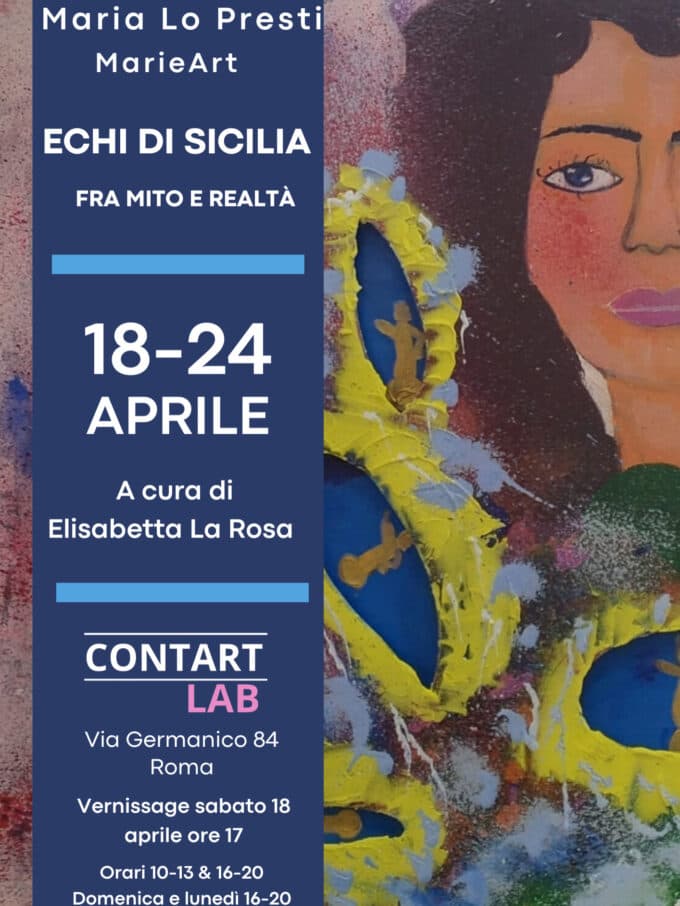
Echoes of Sicily – Between Myth and Reality: Maria Lo Presti Solo Show From 18 to 24 April 2026 Rome...
Rivista online registrata al Tribunale di Napoli n. 43 del 23/03/2022
Direttore: Lorenzo Crea
Editore: Visio Adv di Alessandro Scarfiglieri
Insight italia srl (concessionario esclusivo)
Rivista online registrata al Tribunale di Napoli n. 43 del 23/03/2022
Direttore: Lorenzo Crea
Editore: Visio Adv di Alessandro Scarfiglieri
Insight italia srl (concessionario esclusivo)
