
Autore: Redazione • 02/08/2025 14:54
South Tyrol, a land of majestic mountains and breathtaking landscapes, is also home to a first-class scientific hub that attracts visitors of all ages: the Museum of Natural Sciences of South Tyrol. This is a place where curiosity is nurtured and knowledge is made accessible — offering a deep immersion into the natural and geological heritage of the region.
Located in the heart of Bolzano, on Via Bottai, the museum is easily accessible and perfectly integrated into the lively urban fabric of South Tyrol’s capital. The building itself, a former 15th-century Dominican convent, adds historical charm to the museum experience, creating a fascinating contrast between the ancient setting and the museum’s modern scientific approach.
Exploring the Ecosystems of South Tyrol
The museum focuses on the geology, flora, and fauna of South Tyrol, offering a comprehensive overview of the ecosystems and transformations that have shaped the region over millennia. Its permanent collections and temporary exhibitions are designed to be interactive and engaging, turning learning into a dynamic experience.
Among its most fascinating sections is the Geology and Paleontology Hall, which takes visitors on a captivating journey through the geological history of the Alps. Here you can admire rocks and minerals typical of South Tyrol, including spectacular samples that bear witness to the region’s intense tectonic activity. A highlight is the rich fossil collection, documenting prehistoric life — from marine organisms that lived when the region was still submerged by ancient seas, to plant and animal remains from later eras. Replicas and models also recreate the dinosaurs that once roamed these lands.
Another major section is devoted to Alpine flora and fauna, featuring realistic dioramas that recreate natural habitats. Visitors can observe taxidermied specimens of Alpine animals such as bears, wolves, marmots, golden eagles, and ibexes, alongside an extensive collection of dried Alpine plants and herbarium sheets. The exhibition illustrates how these species have adapted to mountain environments and emphasizes the importance of their conservation.
The museum also explores current environmental issues, with sections on climatology and climate change. Through interactive installations and scientific data, visitors can understand the evolution of glaciers, ecosystem alterations, and the challenges that lie ahead.
The Museum of Natural Sciences is not only an exhibition space — it is also an active scientific research center. Visitors can often discover the latest findings from ongoing studies conducted by the museum’s research staff.
A Journey through Time
The museum’s collections cover an immense time span, from millions of years ago to the present day. Fossils and rock formations trace the geological history of the Earth — from the Paleozoic Era (541–252 million years ago) through the Mesozoic Era (252–66 million years ago), which includes dinosaur fossils, to the Cenozoic Era (from 66 million years ago to today), marked by the formation of the Alps and the appearance of mammals.
The exhibits dedicated to modern flora, fauna, and climate focus on the recent and contemporary period, illustrating the biodiversity and natural phenomena that define today’s South Tyrol.
Address: Corso del Lavoro e della Scienza, 3, Trento (TN), Italy
Contacts:
Opening Hours:
Tickets:
Cover photo credit: Official website – Italian Ministry of Culture

Vittorio Camaiani at Palazzo Colonna: "Senza Confini" Spring/Summer 2026 Designer Vittorio Camaiani ...

Fiorinfiera in Borgo San Lorenzo: 13th edition From 17 to 19 April 2026 Borgo San Lorenzo hosts the ...

Dialogus Temporum: Maurizio Rapiti at Palazzo del Podestà Dialogus Temporum is a solo painting exhib...
Alchemy in Ceramics: Shilha Cintelli at the Carlo Zauli Museum The Carlo Zauli Museum in Faenza host...
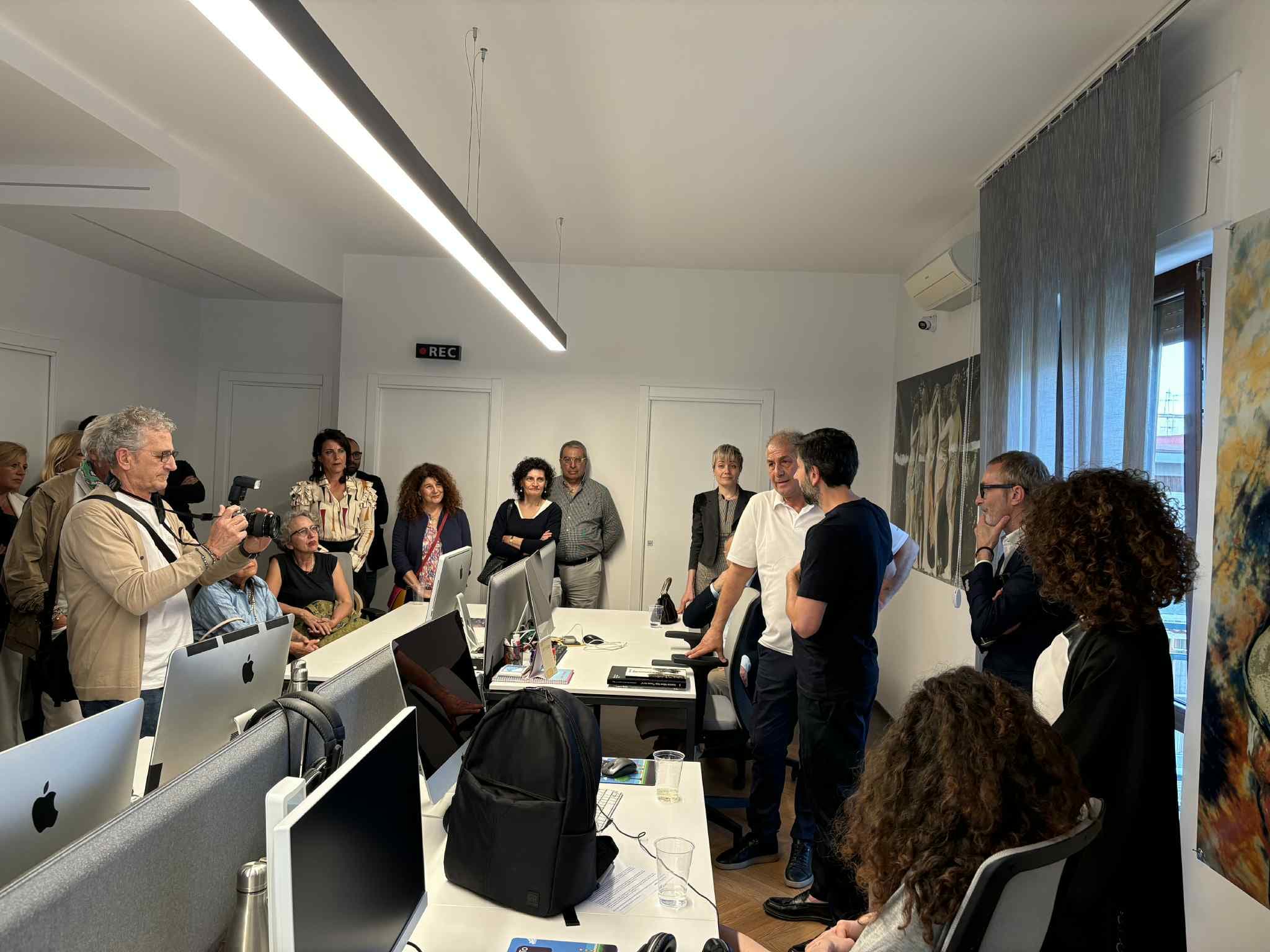
Manualità & Arte: exhibition by Gerardo Di Fiore and Cristina Cianci The Teleclubitalia newsroom...

Artisanal gelato up for UNESCO recognition: why consumer choices matter On 12 March 2026 the nominat...
Rivista online registrata al Tribunale di Napoli n. 43 del 23/03/2022
Direttore: Lorenzo Crea
Editore: Visio Adv di Alessandro Scarfiglieri
Insight italia srl (concessionario esclusivo)
Rivista online registrata al Tribunale di Napoli n. 43 del 23/03/2022
Direttore: Lorenzo Crea
Editore: Visio Adv di Alessandro Scarfiglieri
Insight italia srl (concessionario esclusivo)
