
Rivista online registrata al Tribunale di Napoli n. 43 del 23/03/2022
Direttore: Lorenzo Crea
Editore: Visio Adv di Alessandro Scarfiglieri
Insight italia srl (concessionario esclusivo)
Rivista online registrata al Tribunale di Napoli n. 43 del 23/03/2022
Direttore: Lorenzo Crea
Editore: Visio Adv di Alessandro Scarfiglieri
Insight italia srl (concessionario esclusivo)
Discovering the Gargano beyond the well-known spots The Gargano is more than Vieste and Peschici: tucked among its historic centers and inland landscapes are villages, forests and…
By Redazione · April 2, 2026 · ≈ 3 min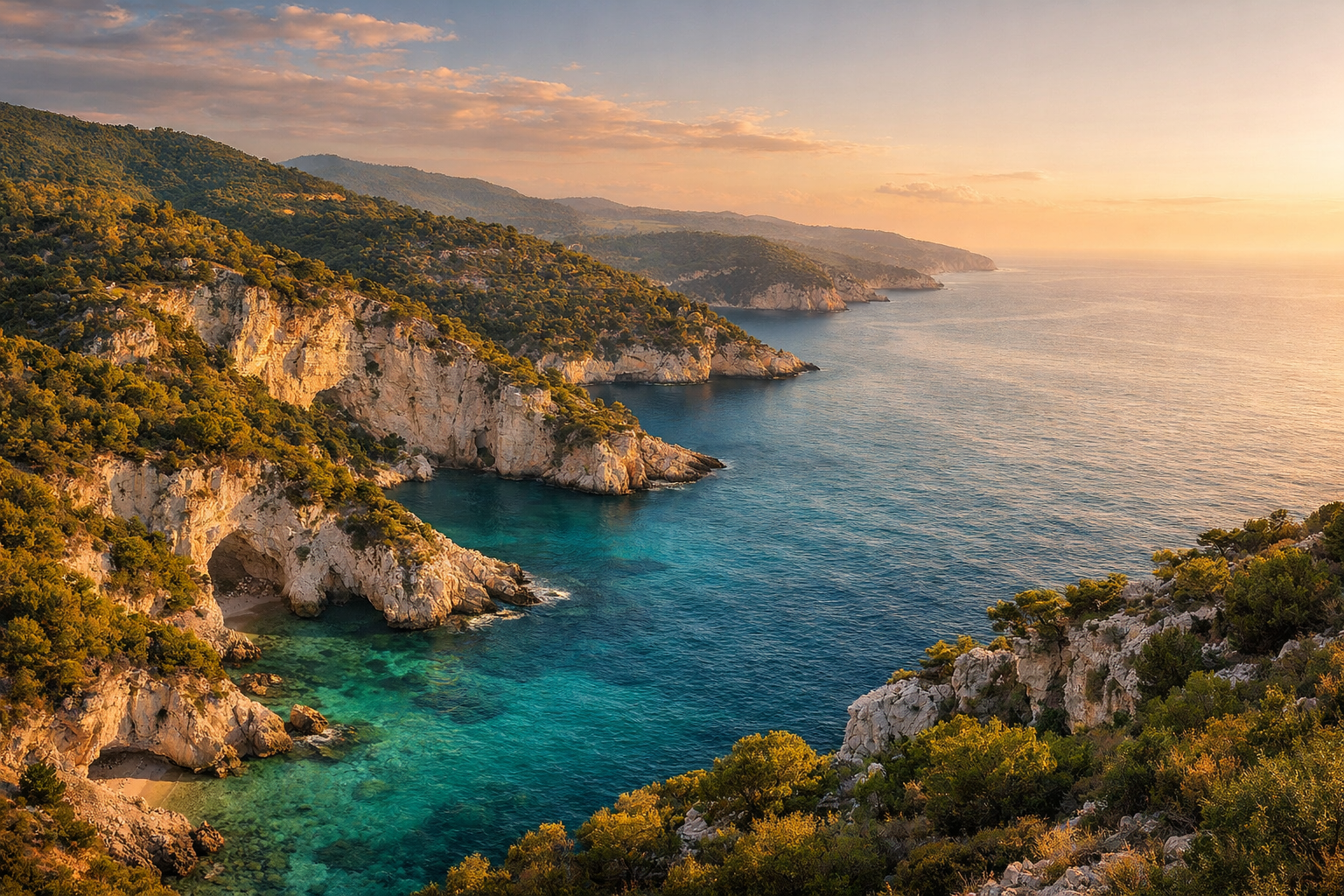
By Redazione · April 2, 2026 · ≈ 3 min
The Gargano is more than Vieste and Peschici: tucked among its historic centers and inland landscapes are villages, forests and archaeological sites with a strong local identity. Below are five lesser-known places with practical tips on how to reach them, when to go and what to expect.
Vico del Gargano is listed among Italy's most beautiful villages: narrow alleys, stone arches and a castle overlooking the town. It retains a lived-in historic center rather than a tourist reconstruction.
Foresta Umbra is a large beech and oak forest: beyond the main trail you'll find secondary paths leading to secluded ponds, clearings and quiet viewpoints.
Manfredonia often gets overlooked, yet it hosts the National Museum of the Gargano with the Daunian Stelae — carved stone slabs from pre-Roman times — and nearby historic sites including the Basilica of Siponto.
Rock-cut hermit cells perched above the sea offer a unique atmosphere. They are accessed via a steep trail and require cautious footing.
Beyond the famous beaches, the Gargano hides small sheltered coves and lesser-known shores where you can swim in peace. Some require a short descent or boat access.
Exploring these lesser-known corners of the Gargano rewards travelers with authenticity, landscapes and heritage often missed by mass tourism—best enjoyed slowly and respectfully.
Location: 71018 Vico del Gargano FG, Italia
Coordinates: 41.8960131, 15.9598507
