
Autore: Redazione • 07/10/2025 22:05
History and Description
Considered the center of public, political, religious, and legal life in ancient Rome, the Roman Forum, located in the valley between the Palatine and Capitoline Hills, was originally a swampy area used as a necropolis between the 10th and 8th centuries B.C. It was drained in the 7th–6th centuries B.C. with the construction of the Cloaca Maxima and the leveling of the ground to create a public urban space. Over the centuries, numerous buildings were constructed here — temples such as those of Saturn and Vesta, basilicas like the Basilica Aemilia and the Basilica Julia, the Curia Julia where the Senate met, the Arch of Septimius Severus, and the Column of Phocas. The Via Sacra, the main ceremonial road, passed through the Forum and led victorious generals toward the Temple of Jupiter Capitolinus.
In the Imperial Age, other monumental spaces were connected to it — the Imperial Fora, such as the Forum of Caesar, Forum of Augustus, and Forum of Trajan — to accommodate the city’s growing administrative and social needs. During the Middle Ages, the Forum fell into decline, became covered with debris, and was known as the Campo Vaccino (“Cow Field”) until systematic excavations in the 19th century uncovered the ruins visible today.
Curiosities
The Lapis Niger (“Black Stone”) marks a site considered sacred or ominous — possibly the tomb of Romulus or a primordial altar. Moreover, the Temple of Vesta, together with the House of the Vestal Virgins, safeguarded the sacred fire, a potent religious symbol that was never allowed to be extinguished.
Access Information
The Roman Forum can be visited with a combined ticket that also includes the Colosseum and the Palatine Hill, costing €16, with free or reduced entry options available.
How to Get Here
Located in the heart of Rome, between the Palatine and Capitoline Hills and next to the Colosseum, the Forum is easily reachable on foot or by metro, Line B, Colosseo stop.
The Roman Forum is not merely a collection of ruins — it is a living memory of the grandeur and spirit of ancient Rome.
Photo credits: Zuffe (Wikipedia) – Licensed by CC 3.0/2.5/2.0/1.0

Discover Campania: 12 villages of fjords, caves and castles Beyond the well-known coastal stretches,...

Alighiero Boetti in Venice: SMAC Venice retrospective From 7 May to 22 November 2026, SMAC Venice (S...
AMAB 2026: 51st Assisi Art and Antiques Fair The AMAB fair returns for its 51st edition, bringing to...

Artisanal Italian Gelato: Masters' Candidacy for UNESCO Recognition On March 12, 2026 the Masters of...
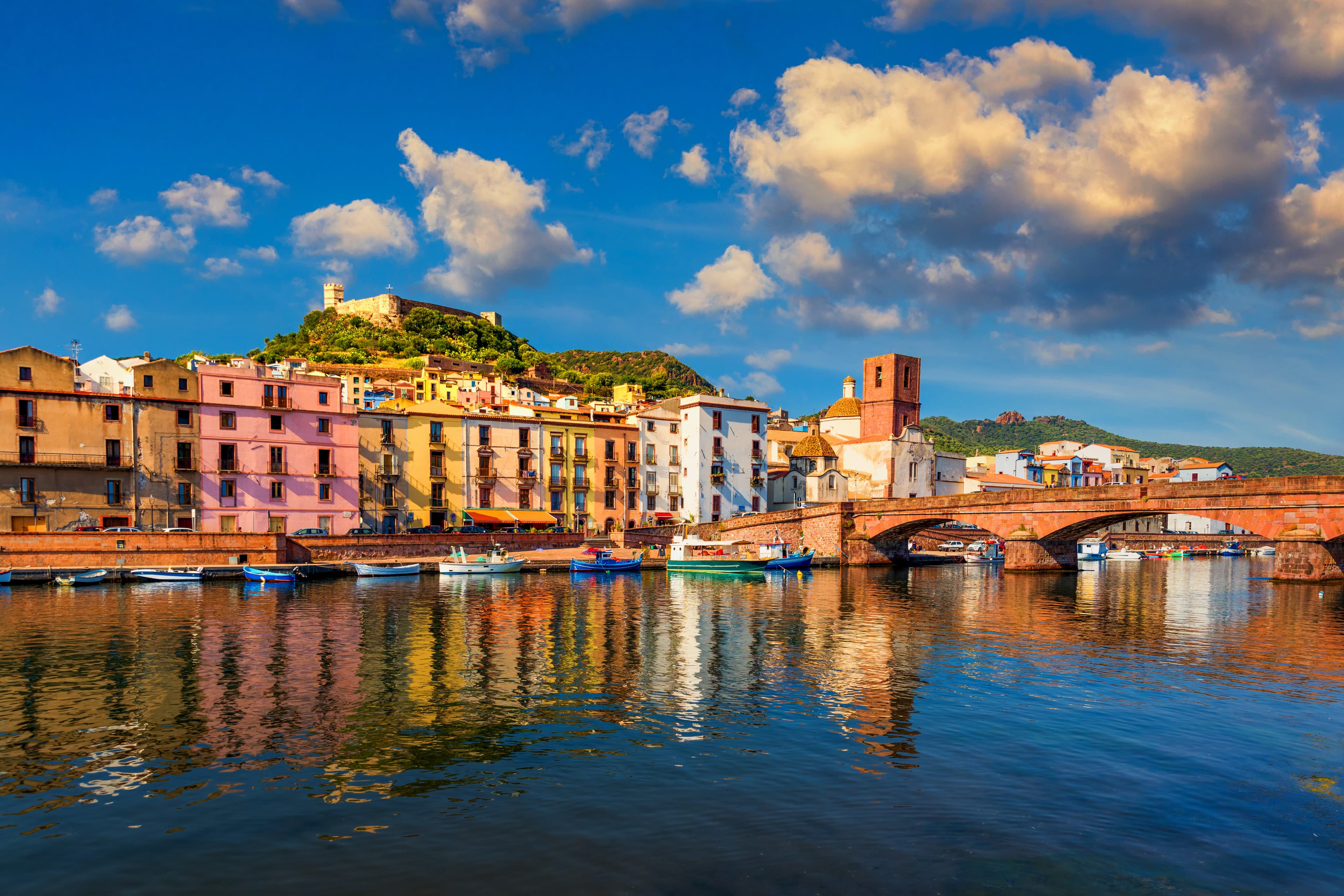
Spring in the Heart of Sardinia 2026: what to expect Dates: April 25, 2026 to June 28, 2026. For mor...

Rignano sull'Arno: 'Glissando' sculpture unveiled and Susan Luppino solo exhibition opens In Rignano...
Rivista online registrata al Tribunale di Napoli n. 43 del 23/03/2022
Direttore: Lorenzo Crea
Editore: Visio Adv di Alessandro Scarfiglieri
Insight italia srl (concessionario esclusivo)
Rivista online registrata al Tribunale di Napoli n. 43 del 23/03/2022
Direttore: Lorenzo Crea
Editore: Visio Adv di Alessandro Scarfiglieri
Insight italia srl (concessionario esclusivo)
