
Autore: Redazione • 07/04/2026 17:25
Walking barefoot outdoors reconnects the foot with the ground and changes how you perceive the trail. Originating as a movement in the 1960s, barefooting is now practiced in parks, on beaches and mountain meadows. Before giving up shoes entirely, follow a few steps so skin and muscles adapt safely.
Reasons include improved proprioception, stronger foot muscles, relief from discomfort caused by rigid footwear and a deeper sensory experience of nature. It is not suitable for everyone and should be approached cautiously.
Mild soreness or discomfort in the feet is common as the body adapts. If pain is sharp or persistent, stop and seek professional advice. With consistent, gradual practice these sensations usually diminish.
If full barefooting feels risky, consider minimalist or barefoot shoes. Typical features: thin sole, low drop between heel and forefoot, and simple construction that preserves ground feel while offering protection against cuts and abrasion.
Barefoot walking offers a direct way to rediscover terrain underfoot and to naturally train foot muscles and sensitivity. With a gradual approach, attention to ground conditions and the option of minimalist footwear when needed, it can be an enjoyable and safe addition to outdoor activities.
Location: Italia
Coordinates: 41.87194, 12.56738
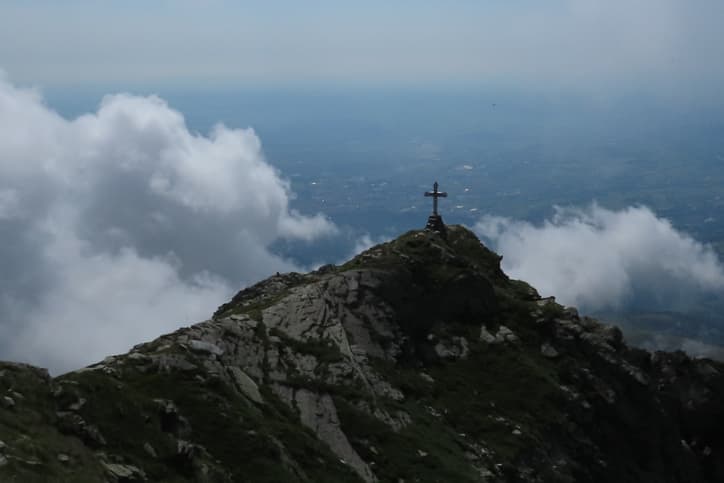
May Day Weekend: six spring walks with a view The May Day long weekend is a perfect moment to get ba...
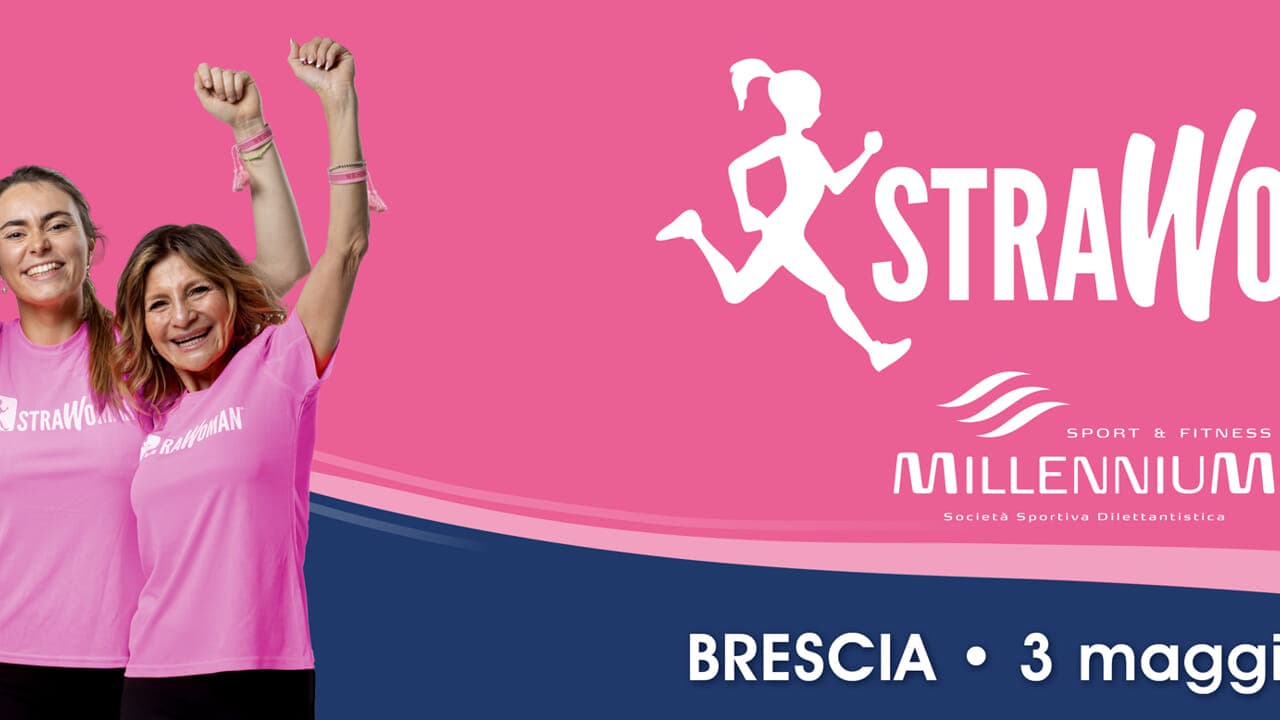
StraWoman 2026 in Brescia: schedule, registration and practical information Date: Sunday 3 May 2026 ...

Audio newsroom in Lazio to tell the story of the territory and accessible nature trails A new initia...
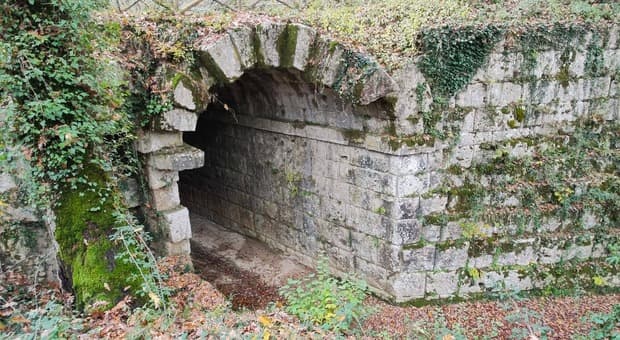
Sentieri Martani – Between nature and history: hike to Ponte Fonnaia and the Catacomb of Villa San F...

Spring on the Abruzzo Coast: 5 Beaches in Chieti Province to Visit Chieti's coastline wakes up in sp...
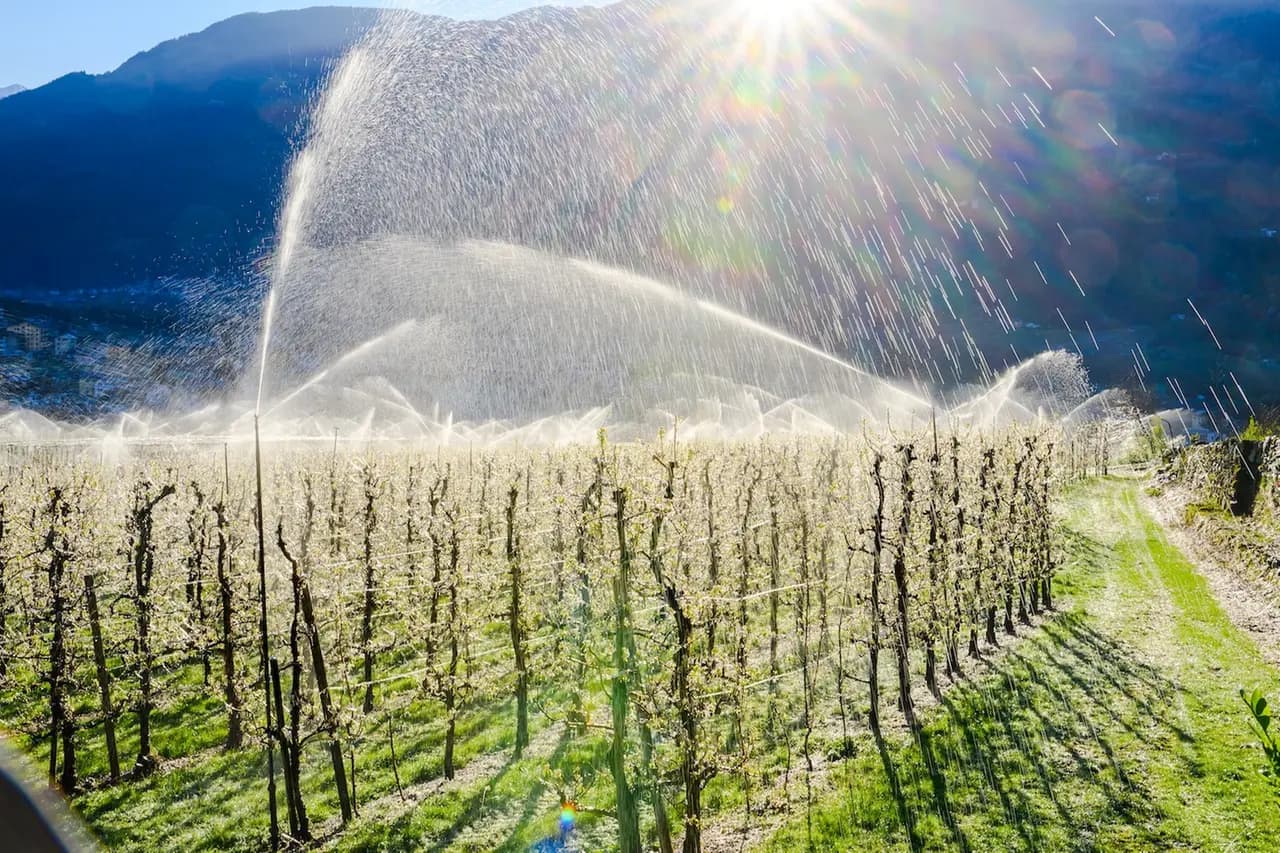
Spring Blooms in Valtellina: 8 mid-mountain trails Valtellina stands out for an extended flowering s...
Rivista online registrata al Tribunale di Napoli n. 43 del 23/03/2022
Direttore: Lorenzo Crea
Editore: Visio Adv di Alessandro Scarfiglieri
Insight italia srl (concessionario esclusivo)
Rivista online registrata al Tribunale di Napoli n. 43 del 23/03/2022
Direttore: Lorenzo Crea
Editore: Visio Adv di Alessandro Scarfiglieri
Insight italia srl (concessionario esclusivo)
