
Autore: Serena Trivelloni • 27/11/2025 20:46
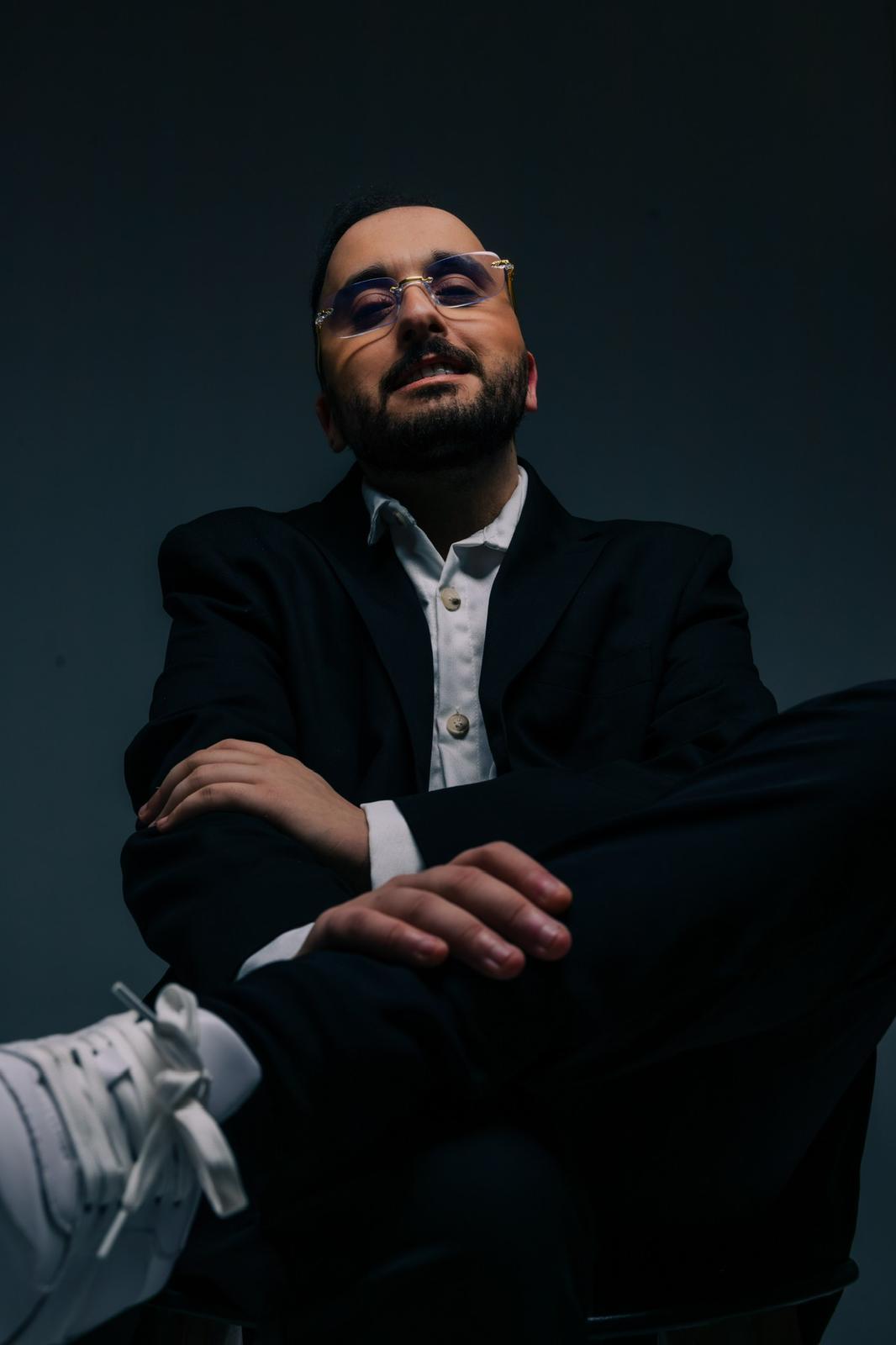
In filmmaking, some chase spectacle while others chase truth. Ariel Lavi has firmly chosen the latter. He’s a producer who built his career by moving between cultures, languages, and creative traditions, searching for stories that resonate long after the credits roll. With an inherently international outlook and a sharp instinct for what feels genuine, Lavi has never been content with simply making films, he aims to amplify what he believes is essential, urgent, and universal.
His path has taken him around the world, collaborating with talent from Mexico, Nigeria, the United States, the Middle East, and beyond. Along the way, he has learned to build creative bridges where others might see borders. And that global perspective shaped his guiding principle: a story isn’t something you just produce, it’s something you identify. It’s something you understand deeply, respect fully, and shape into an experience that speaks across cultures without losing its core truth.
For Lavi, producing is a responsibility. It’s the craft of choosing stories that matter, the ones that move people, challenge perceptions, and spark conversation. Stories with something meaningful to say, stories that can echo far beyond the screen. In this interview, we explore the heart of his work: the vision, the decisions, and the sensibility that have made Ariel Lavi one of the most distinctive voices in today’s independent global cinema.
Ariel, you’ve been working for years with teams and talent from countries like Mexico, Nigeria and the United States. How does this multicultural environment influence the way you choose and develop a story? And what have you learned as a producer working across such different filmmaking cultures?
Working in a multicultural environment with diverse teams influences story selection and development profoundly. Different cultures bring varied perspectives, which enrich the storytelling process. This diversity allows for stories to emerge that resonate on multiple levels, engaging a wider audience. As a producer, I've learned the value of adaptability and collaboration, understanding cultural nuances can lead to deeper character development and more relatable narratives. The emphasis on community and collective experiences varies by culture, prompting me to consider how stories are received and interpreted differently.
Many of your most awarded short films -from Dangerous Silence, Metanoia to Holocaust Day- tackle major social issues. You’ve said in past interviews that it’s important to tell stories that “make an impact.”
What tells you that a story is truly “necessary” and not just interesting? How do you know when it’s the right time to produce it?
A story feels truly necessary when it reflects urgent social issues or personal experiences that provoke thought and inspire change. It transcends mere interest by resonating on a universal level or addresses underrepresented voices. The right moment to produce such a story often coincides with rising awareness and discussions around the topic or a poignant moment in society that aligns with the theme. Engaging with audiences through festivals and screenings can also indicate the story’s readiness, as feedback reveals its impact.
At the Ischia Global Film & Music Festival 2024, you presented A Brush With Death and Unicorns & Rainbows. When telling short stories with strong emotional and social messages, how do you balance form -like length, pacing, and visual language- with content, like theme, message, and social impact? What technical challenges did you face, especially for an international audience with very different perspectives?
Balancing form and content requires a careful approach to pacing and visual storytelling, ensuring the emotional weight complements the narrative flow. Each element must serve the theme while being accessible to a global audience. Technical challenges often arise from varying cultural expectations of pacing and storytelling structures. I work closely with the editorial team to find a rhythm that maintains engagement while honoring the message’s gravity. Incorporating diverse viewpoints into visual language becomes essential to ensure broader understanding, often requiring additional research and collaboration with local artists.
Independent cinema often faces big challenges but remains a space for creative freedom. In Italy today, despite limited funding, many directors and actors continue to fight to make bold, socially-conscious films. As an international producer, how do you value this persistence? And what do you think allows an independent film to really stand out?
The persistence of independent cinema, especially in challenging contexts like Italy, is commendable and essential for creative freedom. This resilience fuels innovation and the exploration of bold themes, allowing filmmakers to express complex societal issues authentically. What sets an independent film apart is its originality, emotional depth, and a clear voice that resonates with audiences. Genuine connections to community issues and the courage to tackle them, even with limited resources, can create impactful narratives that stand out in a crowded market.
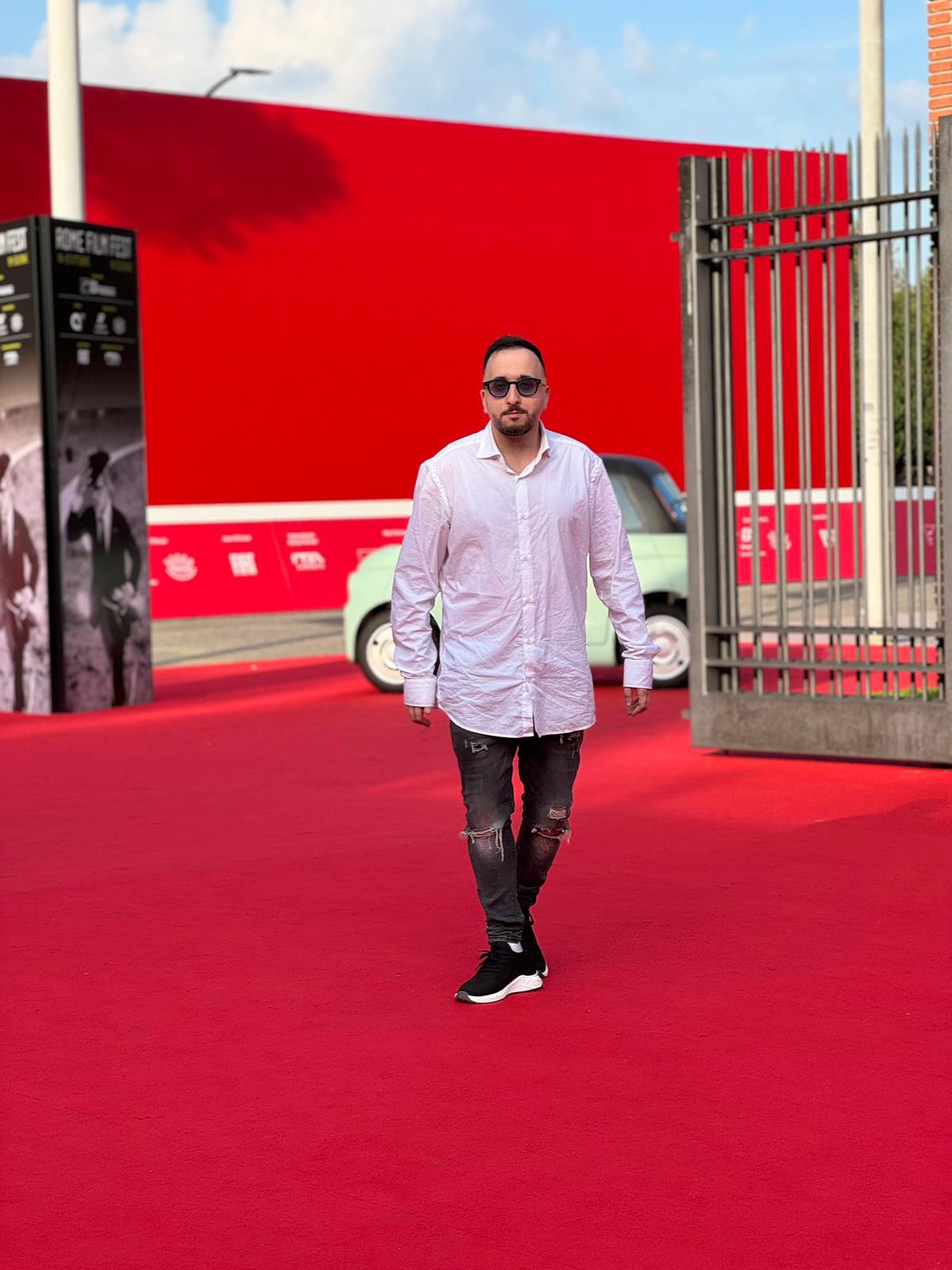
You’ve shot and produced films all over the world. If you were to develop a project in Italy tomorrow, what social or cultural theme would you be most interested in exploring? And why Italy?
If developing a project in Italy, I would be drawn to themes of migration and cultural identity, reflecting the contemporary struggles faced by many. Italy's rich history of immigration and the evolving social landscape provide a fertile backdrop for exploring personal and societal narratives. The complexities of cultural integration and heritage speak to global issues, making them relatable across borders. Additionally, Italy's artistic heritage and cinematic history inspire a unique atmosphere for storytelling that honors both tradition and innovation.
In recent years, you’ve shown an ability to build bridges across very different markets and sensibilities. Do you see concrete opportunities for collaborations or co-productions with Italian actors, film schools, festivals, or independent producers? Can you share anything about your upcoming projects in Italy?
I see immense opportunities for collaboration in Italy, particularly with local actors, film schools, and independent producers. Building partnerships can enhance storytelling by merging different perspectives and talents. I am currently exploring projects that involve co-productions with Italian filmmakers, tapping into local narratives that resonate both regionally and internationally. Festivals will continue to play a crucial role in this process, serving as a platform for showcasing collaborative work and facilitating connections within the industry.

There is a thin yet resilient thread connecting the vibrant chaos of Naples’ alleyways to the rhythm...

She moves between worlds with a quiet intensity between countries, languages, and emotional landscap...

Considered one of the greatest contemporary masters of nativity art, Marco Ferrigno carries on the h...

Becca Brazil is a recognized Musician, Artist, and a thriving Digital & Social Media sensation. ...

The Christmas season is approaching: cities light up and the atmosphere becomes increasingly festive...

In the heart of the Carinaro industrial zone now stands the Vega Palace, a structure that has redefi...
Rivista online registrata al Tribunale di Napoli n. 43 del 23/03/2022
Direttore: Lorenzo Crea
Editore: Visio Adv di Alessandro Scarfiglieri
Insight italia srl (concessionario esclusivo)
Rivista online registrata al Tribunale di Napoli n. 43 del 23/03/2022
Direttore: Lorenzo Crea
Editore: Visio Adv di Alessandro Scarfiglieri
Insight italia srl (concessionario esclusivo)
