
Autore: Redazione • 27/09/2025 11:59
History and description
Built in the 1st century AD, as confirmed by comparison with the amphitheater of Pula dated to the same period, the Arena of Verona was originally intended for public spectacles, such as gladiatorial combats attested by a letter from Pliny the Younger and numerous funerary inscriptions. The Roman amphitheater, elliptical in shape, is one of the best‑preserved examples thanks to extensive restoration work. Originally it featured three tiers of arches, of which only one external wing remains today, along with numerous decorations, including a tuff helmet enclosing the head of a gladiator with all the typical features of the Augustan age. Part of the monumentalization carried out during the Julio‑Claudian era, the structure was later damaged by the construction of King Theodoric’s city wall and by several natural disasters. According to Verona’s statutes, it was even used as a residence for prostitutes before being celebrated by writers, restored, and placed at the heart of the city’s identity. Today, with a capacity of about 22,000 people, the Arena is both a monument fully integrated into the urban fabric and a venue for numerous performances, making it one of the most important in all of Italy.
Curiosities
Over its long history, the amphitheater has been linked to several medieval legends about its origins. One tale recounts that a Veronese nobleman, accused of a crime and sentenced to death, promised to build in a single night an arena for spectacles in exchange for his life, pledging his soul to the devil. Regretting his pact, he prayed to the Virgin Mary, who granted him grace, leaving the building incomplete as a sign of salvation.
Access
Open from Monday to Sunday with varying schedules, daytime entry costs €10, with free admission and specific reductions available. Evening performances range from €25 to €200 depending on seating.
How to reach it
Located in Piazza Bra, the Arena can be reached by car (considering the restricted traffic zone and nearby parking), by train (alighting at Verona Porta Nuova), by bus (Piazza Bra stop), or on foot from anywhere in the historic center.
Considered one of Italy’s most fascinating and iconic monuments, the Arena of Verona is an unmissable destination not only for history lovers but also for those who wish to experience the magic of its evening performances.
Photo credits: Arne Müseler (Wikipedia) - Licensed by CC 3.0

Why visit Bard Bard is a compact medieval village with remarkable charm, located at the entrance to ...

Festival dei Due Mondi launches "Adopt an Artist" The Festival dei Due Mondi in Spoleto has announce...

Ghisallo 20: a cycling celebration for the museum's 20th anniversary Opening date: Saturday, 18 Apri...
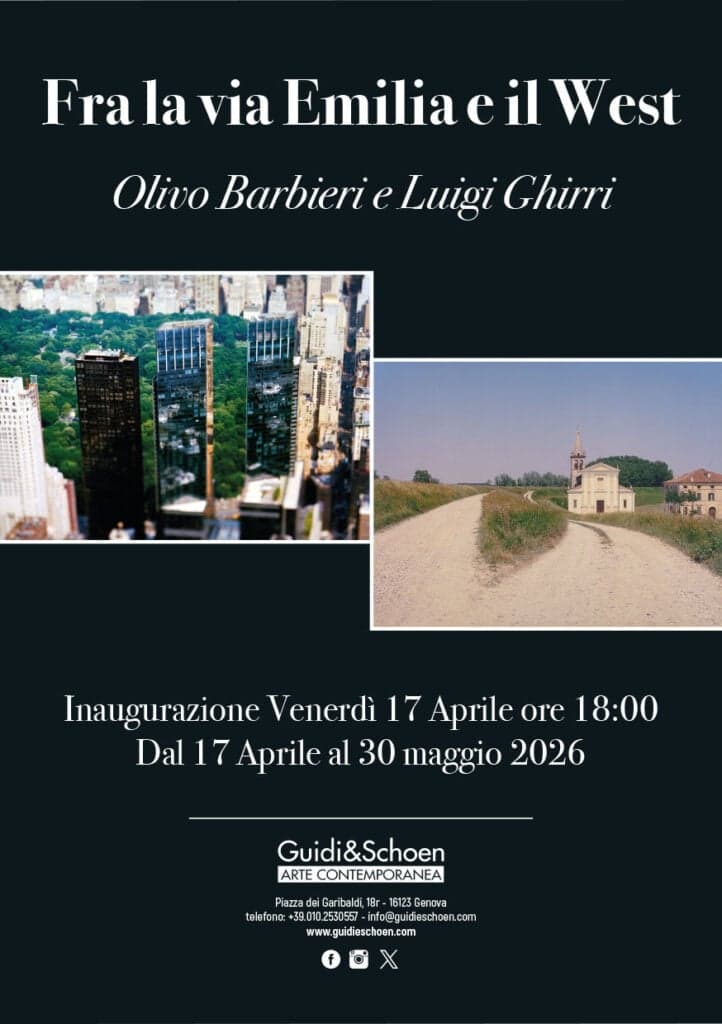
Olivo Barbieri — Between the Via Emilia and the West This photography exhibition pairs two distinct ...

46 Etruscan, Magna‑Greek and Roman Artifacts Returned to the Archaeological Parks of Crotone and Sib...
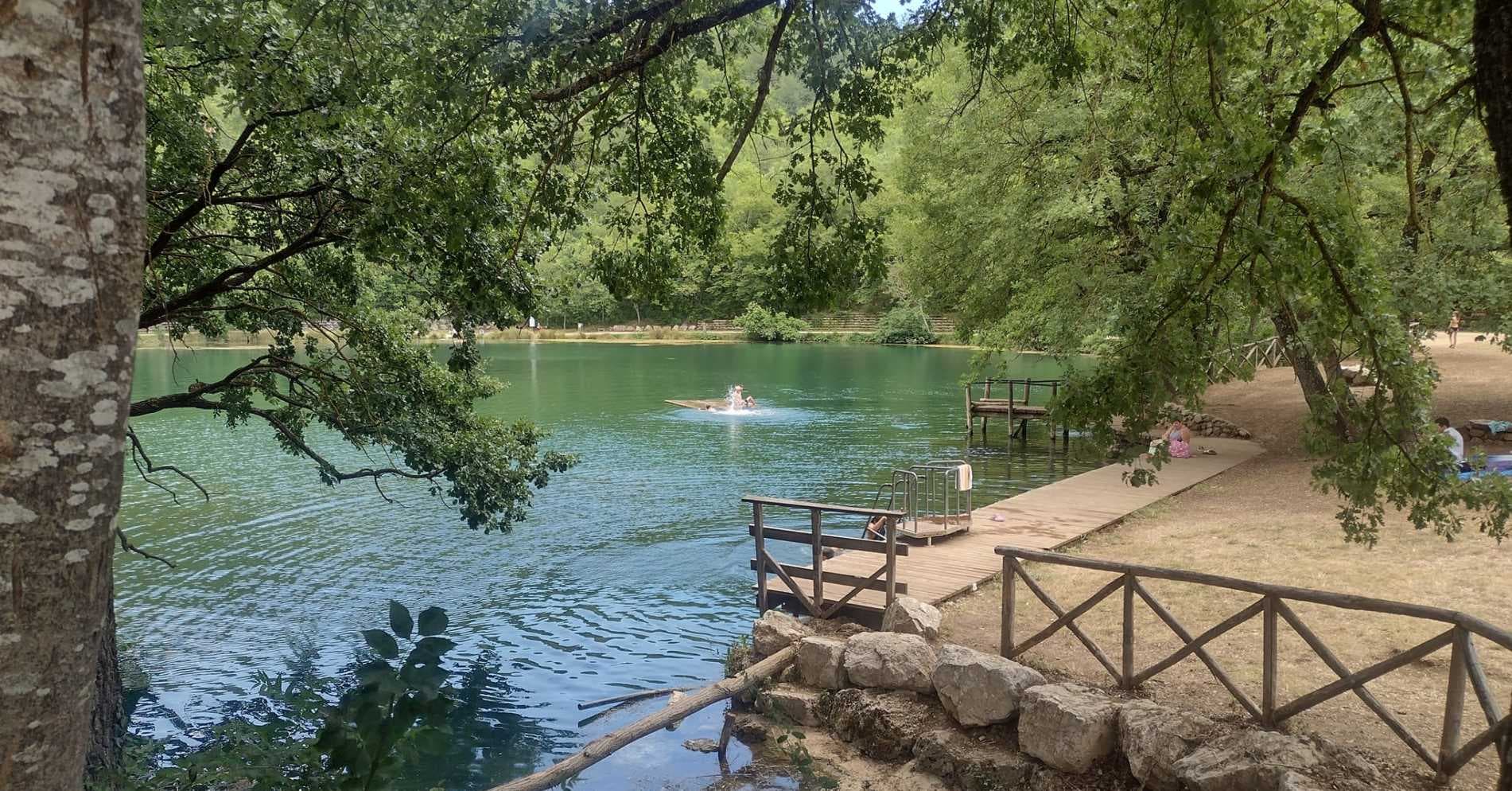
Spring near L'Aquila: practical tips for visiting villages, lakes and highlands Spring changes the a...
Rivista online registrata al Tribunale di Napoli n. 43 del 23/03/2022
Direttore: Lorenzo Crea
Editore: Visio Adv di Alessandro Scarfiglieri
Insight italia srl (concessionario esclusivo)
Rivista online registrata al Tribunale di Napoli n. 43 del 23/03/2022
Direttore: Lorenzo Crea
Editore: Visio Adv di Alessandro Scarfiglieri
Insight italia srl (concessionario esclusivo)
