
Autore: Luigi Graziano Di Matteo • 08/11/2025 11:30
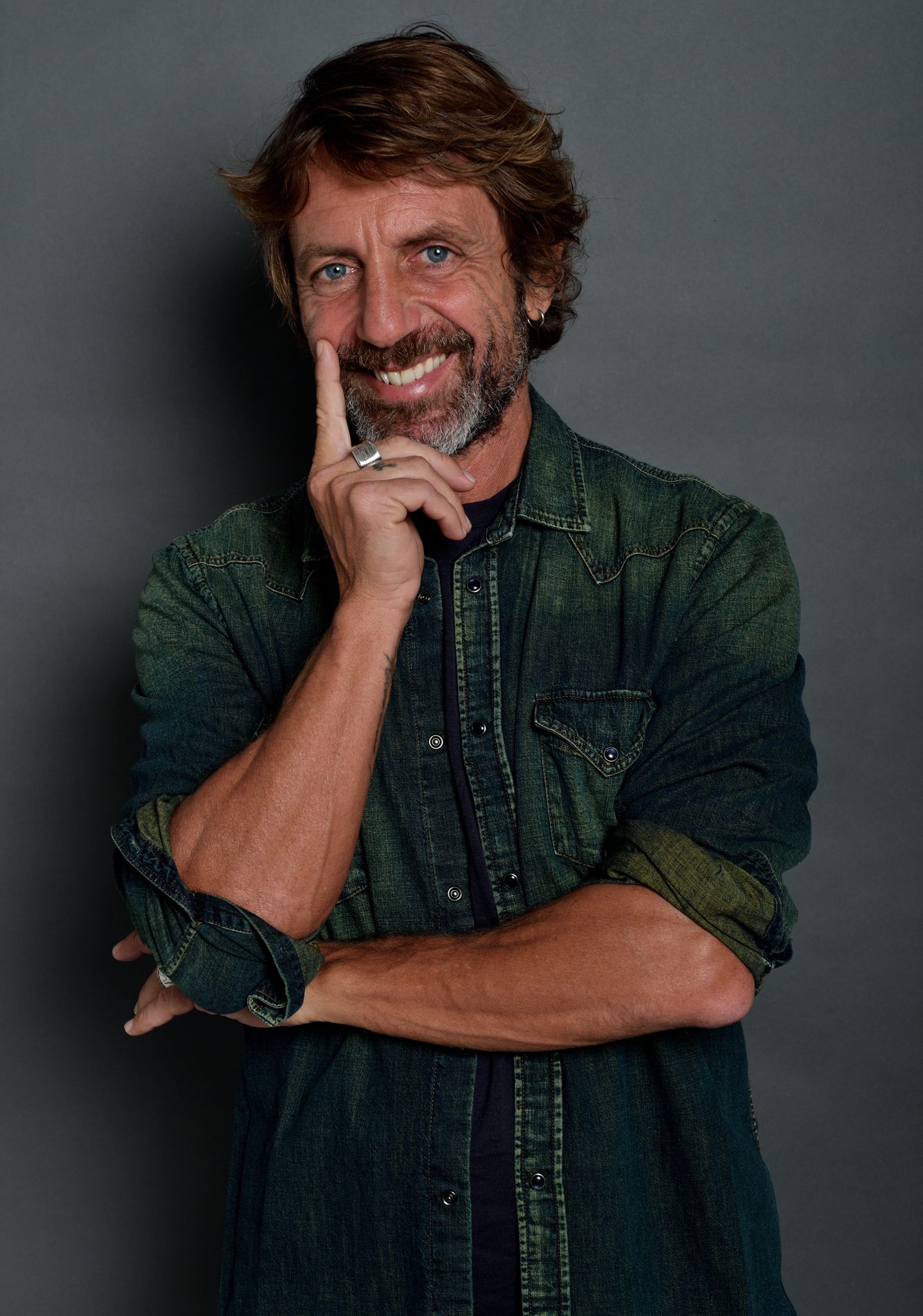
Angelo Mellone is a journalist, television executive, and writer from Taranto.
He earned a degree in Political Science at Luiss “Guido Carli” University in Rome and later a PhD in Sociology of Communication at the “Cesare Alfieri” University in Florence. Since May 2023, Mellone has been Director of Daytime Entertainment at Rai.
Mellone joined Rai in April 2010 as an executive in the Radio Division, responsible for the “Diversified Activities” area. In May 2013 he was assigned to Rai 2, and in November of the same year he began working within Rai 1’s Daytime, where today he is also responsible for Features and Territorial Promotion (as Deputy Director).
Alongside his television work, since 2022 he has been Artistic Director of UmbriaLibri and President of the Lucania Film Commission, and he teaches “Theory and Technique of Television and Radio Communication” at the University of Salerno.
Director, welcome to InItaly, the magazine that promotes Italian excellence and Made in Italy. Can you tell us how your work, through Rai programs, helps reveal the wonders of Italy?
Since 2017 I have been responsible for all the programs we defined as “territorial,” which tell the story of Italian identity in all its forms.
When I took over those programs, they were niche shows: they talked about agriculture, fishing, the environment, as if they were technical programs. And we, also with the help of poets, writers, screenwriters, cultural figures whom I brought into the company as collaborators, revolutionized the way of telling the territory.
These are programs that narrate Italian identity. When you go into a territory, you talk about agriculture, yes, but as a daughter of culture, of craftsmanship, of design, of religious history, of the history of peoples, of communities—everything that makes up our national identity. Because I am convinced that we inherit the infinite privilege of being born in Italy and not elsewhere. We inherit the immense beauty that we have the duty to preserve in the present and for the future, for new generations. Often we are unaware of this fortune that was given to us without any merit of our own.
During your career you have worked as a political, cultural, and lifestyle correspondent for numerous national newspapers, and as author and host of radio and television programs. In which of these roles did you feel most at ease?
My whole life is the answer to the following question: “What do you do in life?” I write. I perceive myself as a writer. There are different forms of writing: you can write for television, for theater, you can write novels, poetry. Even television is writing with images, and I love to tell stories.
In my life, the place where I feel most at ease is when I step onto the stage and the lights go out: there I become totally myself. I am capable of being much more direct, shameless, authentic than I could ever be face to face with someone.
You have also often been involved in theater thanks to your passion for poetry and music. Can you tell us how this began and how it contributed to your development?
I started playing a small accordion at six, began studying jazz at ten, started singing at fourteen, and at sixteen I was playing in fairly well-known bands in my hometown of Taranto.
It is a subterranean passion that sometimes exploded, sometimes subsided, disappeared, and returned forcefully in the last three years, when I realized that without theater, without the stage, without performing—playing, singing, acting, writing—I am not myself.
During your years at Rai, also as an executive, which successes are you most proud of? What are the secrets behind Rai’s greatest successes?
The success I am most attached to is the result of a year of relentless “persuasion” of Gigi Proietti, until I convinced him, in 2017, to stage Cavalli di Battaglia, which then became his artistic television testament. An incredible person with whom I had the fortune to spend four happily secluded months in Montecatini to record those episodes. That is my greatest satisfaction for an event.
My greatest satisfaction as a television executive, instead, is having created the large family of territorial programs. There were three, now there are more than ten. And beyond the Linee shows, which have increased ratings incredibly over the last eight years, there is an epic, narrative program like Il Provinciale, archaeology with Origini, all the Linea Verde spin-offs dedicated to craftsmanship, design, sustainable tourism, and so on. These are identity programs which, as we said at Prix Italia in Naples, tell the story of Italy as the most beautiful television set in the world.
I am convinced that programs outside television studios are much more beautiful than those inside, but that is my happy personal “perversion.”
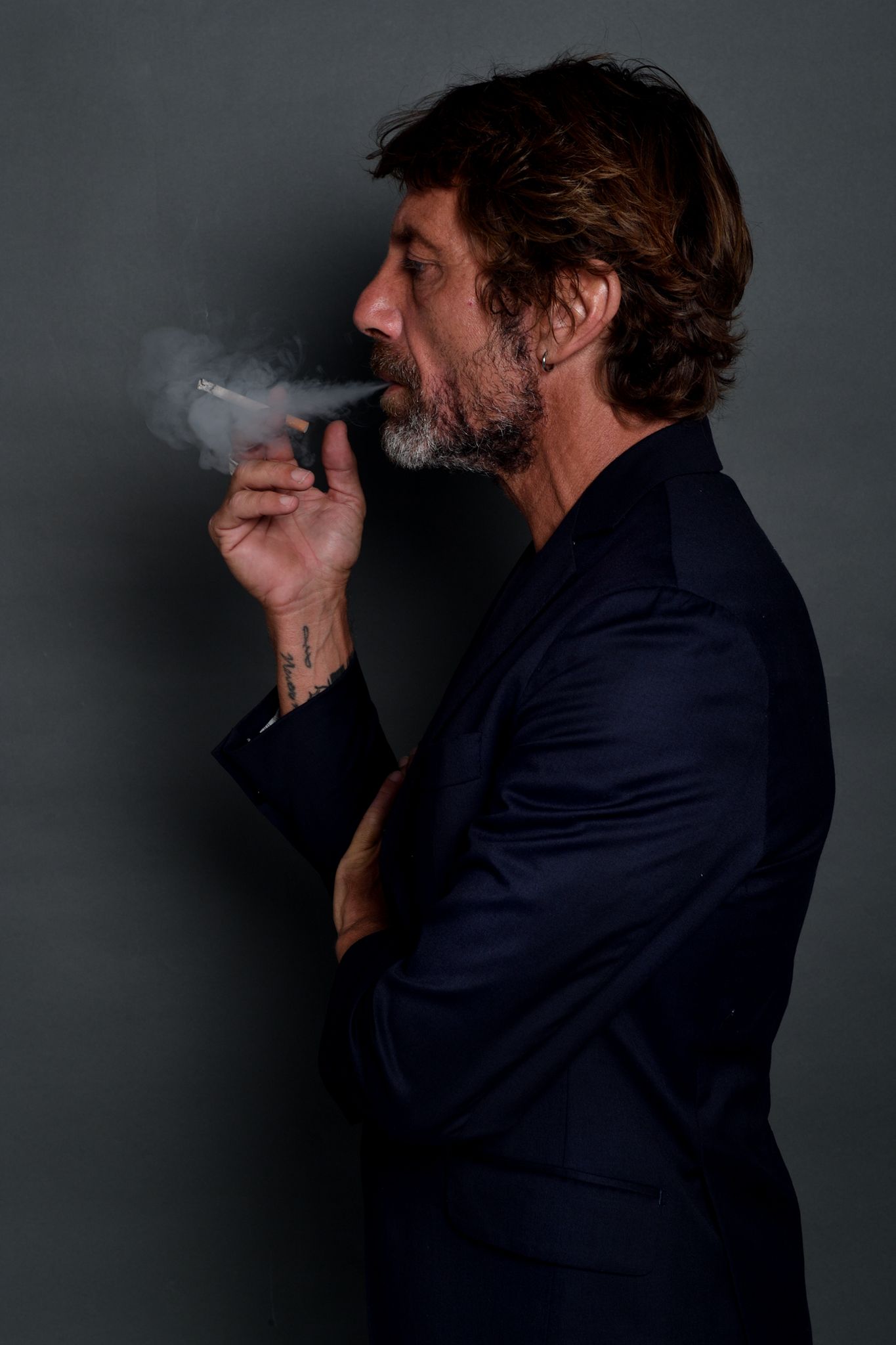
What theatrical projects do you plan to stage next?
In December begins Ripetizioni d’amore, a theatrical show from which a podcast was born that will be online from November 10.
This is a show born from the question: “What is love today?” And to understand what love is today, I went back to studying philosophy, psychiatry, sexology, literature. Ripetizioni d’amore is what I understood, as if I had personally gone to lessons: I repeat it on stage, through music, literature, theater, performance, dialogue with the audience. I believe this show will tour for quite some time, and I hope it will also stop in Naples.
In a territory like Taranto, which has certainly faced its difficulties over the years, how have you worked to enhance this city?
Taranto is my happy and unhappy obsession. It is my nostalgia, it is home, it is my small homeland, it is the place where I was born, where I lived my great loves, where I left my great sufferings. It is the place that reminds me of my father, whom I lost at thirteen, that reminds me of my parents who met inside the Italsider steel plant in Taranto. Here a great love was born that ended too soon.
It is also the place where my roots emerge, which I pass on to my children.
My daughter is Roman, from northern Rome, but when she left for a year in Canada, she tattooed the coordinates of the house where I was born in Taranto, and of our seaside villa in the province of Taranto where we go every summer. It is precisely there, in the moments when I am with my children, that I think: if a twenty-year-old girl who was born elsewhere, who lives in Roman bourgeois society, says she feels more Tarantina than Roman, this makes me believe that the task of passing on roots to one’s children has been fulfilled on my part.
We thank you for being with us. We hope you will continue to contribute to the high quality of Rai programs and that your professional success will continue.

There is a thin yet resilient thread connecting the vibrant chaos of Naples’ alleyways to the rhythm...

She moves between worlds with a quiet intensity between countries, languages, and emotional landscap...

Considered one of the greatest contemporary masters of nativity art, Marco Ferrigno carries on the h...

Becca Brazil is a recognized Musician, Artist, and a thriving Digital & Social Media sensation. ...

The Christmas season is approaching: cities light up and the atmosphere becomes increasingly festive...

In filmmaking, some chase spectacle while others chase truth. Ariel Lavi has firmly chosen the latte...
Rivista online registrata al Tribunale di Napoli n. 43 del 23/03/2022
Direttore: Lorenzo Crea
Editore: Visio Adv di Alessandro Scarfiglieri
Insight italia srl (concessionario esclusivo)
Rivista online registrata al Tribunale di Napoli n. 43 del 23/03/2022
Direttore: Lorenzo Crea
Editore: Visio Adv di Alessandro Scarfiglieri
Insight italia srl (concessionario esclusivo)
